Democrats across the U.S. are showing a strong desire for change
Moulton challenged Markey on age, the political establishment, and policy, then conceded and said he would support the nominee.
SOURCE CHECK
TAP FOR WHYCredibility rates KHBS, where this article appeared. The other scores rate the article itself.
The story carries an Associated Press credit and contribution note, indicating reporting by an established wire service, although the page is published by a local broadcaster and does not identify an individual author in the supplied metadata. The attribution supports strong confidence in the reporting source.
- Source type — The article identifies Associated Press reporting, a well-established wire service.
- Author attribution — The article credits an AP reporter for a contribution, though no full byline is supplied in the metadata.
- Transparency — The AP contribution is disclosed, but the page's publisher-level editorial and corrections information is not included here.
The report gives the primary result, describes competing campaign arguments, includes candidate quotations and a voter’s perspective, and places the Senate contest alongside other regional races. Its concise treatment leaves limited room for independent analysis or broader context.
HOW WE SCORE ↗The report presents arguments and positions from both Senate candidates, a concession statement, and some voter perspective. It is concise and gives less space to independent analysis of the candidates’ records and the other races.
- Counterarguments presented — Both Markey’s and Moulton’s arguments and positions are described.
- Source diversity — Includes candidate statements and a voter’s view, but relatively few independent sources.
- Omitted context — The brief report provides limited deeper evaluation of the candidates’ records and campaign claims.
The article reports the primary result and competing arguments in mostly neutral language. It includes criticism of Moulton’s positions and Trump’s talking points, but attributes those characterizations rather than adopting them as its own.
- Language tone — Mostly descriptive language; sharper characterizations are quoted or attributed.
- Source selection — Includes statements from both Senate candidates and a voter, as well as context about other races.
- Framing — Frames the contests around generational change without endorsing either side.
Original publisher not identified
This article credits another publisher, which ChamberLight has not identified, so the scores are KHBS's own.
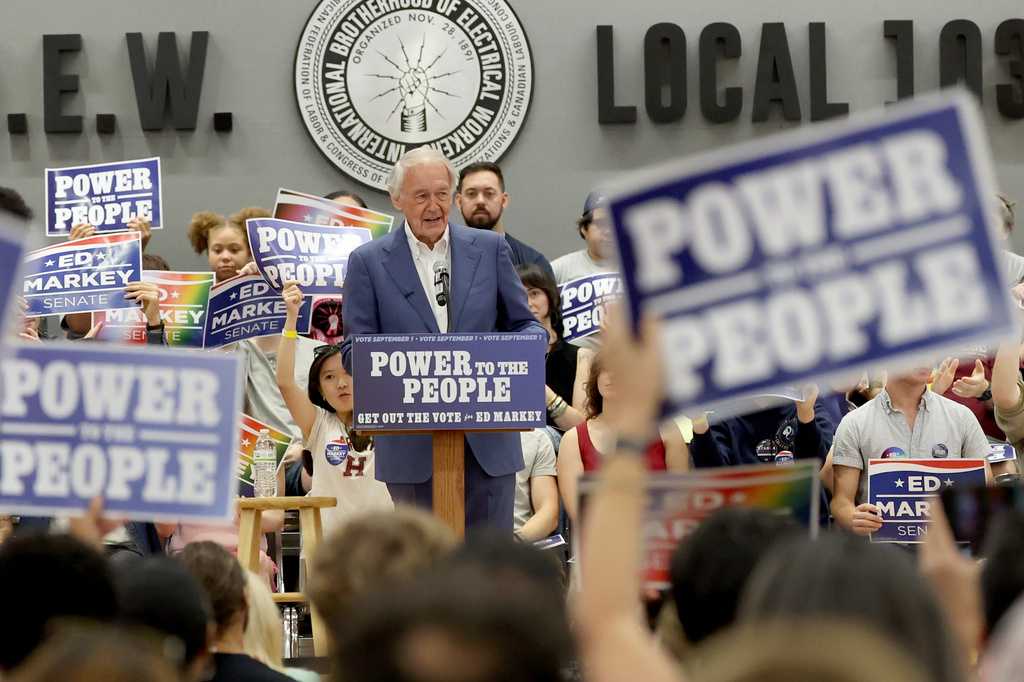
Edward Markey defeated Seth Moulton in Massachusetts’ Democratic Senate primary, while other Democratic incumbents also faced younger challengers. The story presents the contests as part of a broader debate over generational change in the party.
Markey won the Democratic nomination for another Senate term after arguing that Moulton’s positions were more out of step with Massachusetts voters. Moulton had criticized the political establishment and questioned Markey’s record; after conceding, he said he would support Markey. The article also discusses their disagreements over healthcare and Moulton’s past remarks about transgender athletes.
The article describes House primary contests involving Patrick Roath and Stephen Lynch, and Jeromie Whalen and Richard Neal. It also notes that Luke Bronin defeated John Larson in a neighboring Connecticut primary.
Community verdict
8 VOTES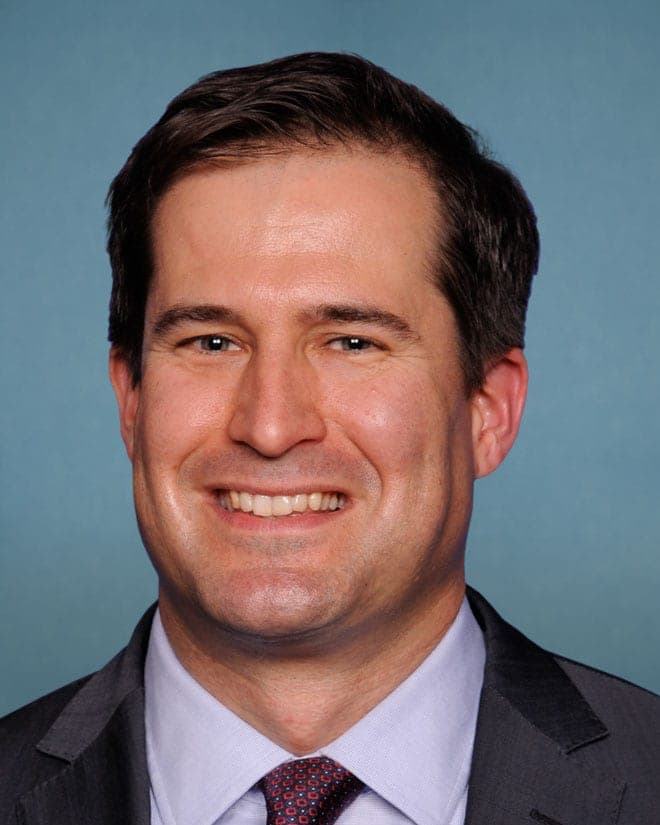
People in this story
SWIPE →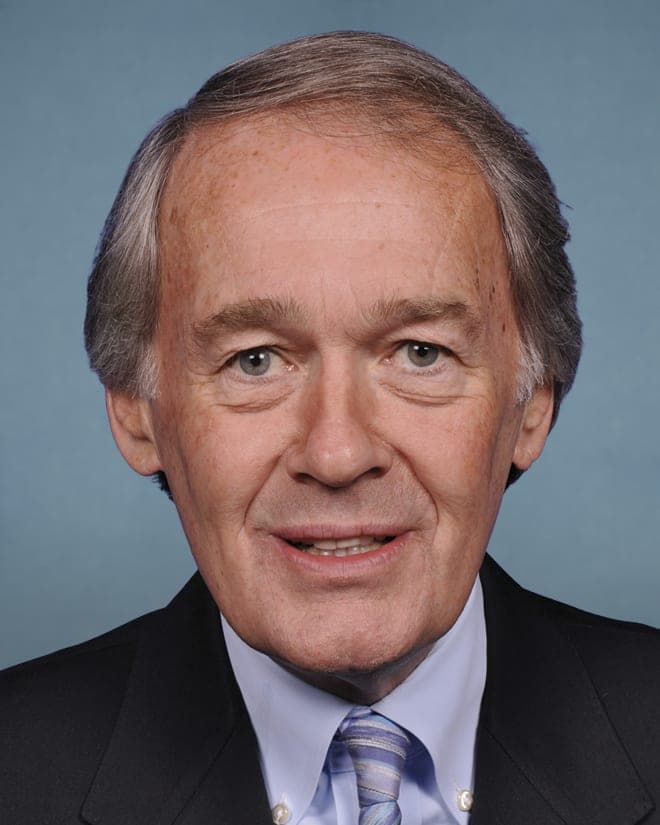
Senator who won the Massachusetts Democratic Senate primary
Markey's version of this story ↗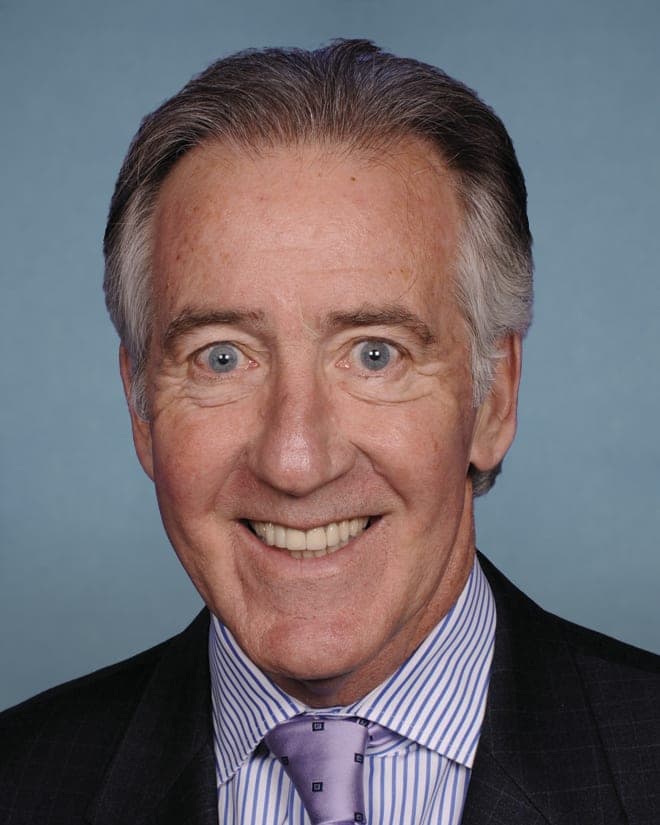
Representative facing a primary challenge from Whalen
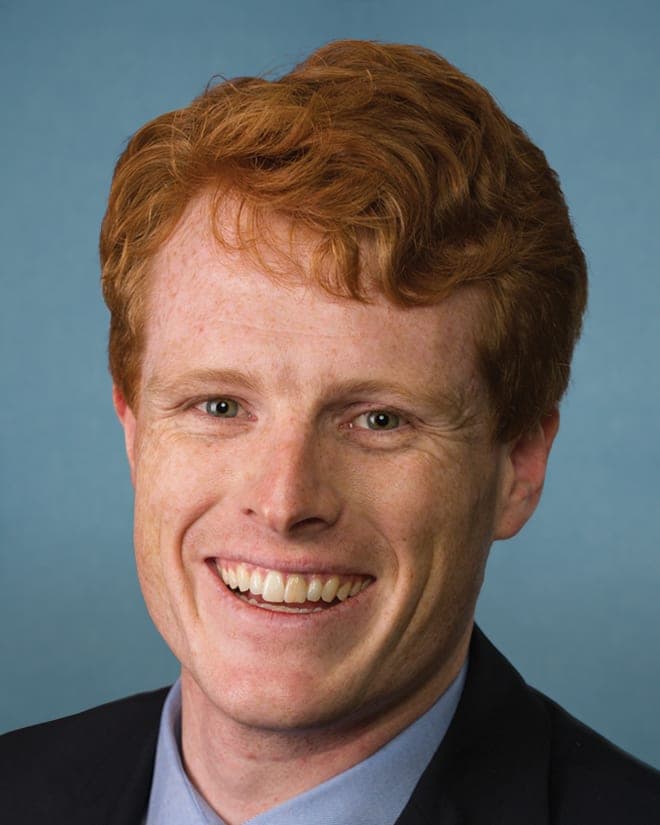
Former challenger to Markey in the 2020 Senate primary
House candidate who challenged Stephen Lynch

President whose talking points were invoked in criticism of Moulton’s remarks

Representative facing a primary challenge from Roath

Senator whose organization endorsed Whalen

House candidate challenging Neal
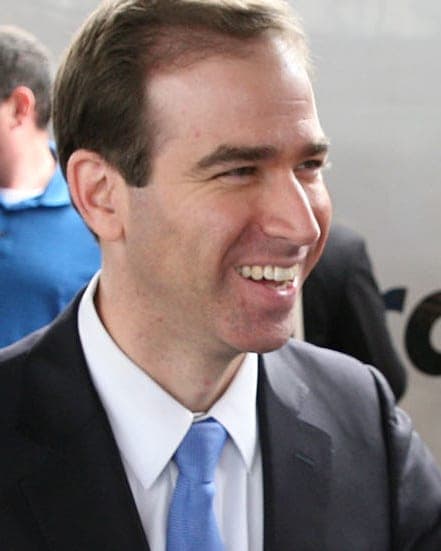
House candidate who defeated Larson in Connecticut
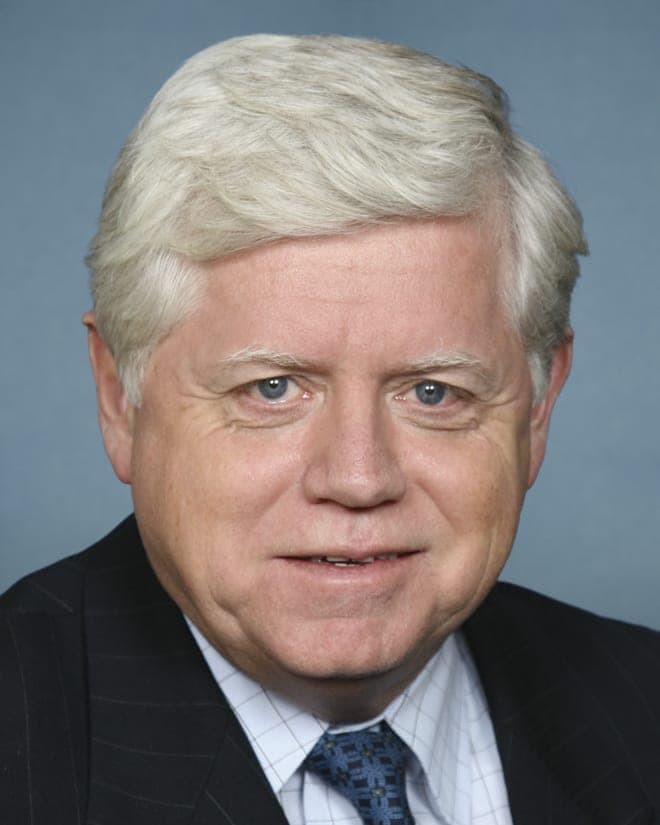
Representative defeated in a neighboring Connecticut primary
Part of a bigger story
15 OUTLETSEd Markey won the Massachusetts Democratic Senate primary, defeating Rep. Seth Moulton, who had challenged him for the nomination. Center outlets frame the contest around generational change, with some also emphasizing differences over experience and policy and younger challengers to longtime House incumbents.
Discussion · 0
Loading comments…