Oklahoma Republicans have been in-fighting over the state's vacant U.S. Senate seat
Armstrong wants to remain in the Senate through January while Oklahoma debates when the vacancy should be filled.
SOURCE CHECK
TAP FOR WHYKGOU is a public radio newsroom, which generally has established editorial practices and local reporting capacity. The article names its author and attributes earlier reporting to another outlet, though the supplied information does not establish its corrections record.
- Source type — Public radio outlet with a local news focus, although the source type is recorded as unknown.
- Author attribution — A named reporter is credited.
- Editorial standards — The article reports a public legal and political dispute with statutory text and named officials.
- Correction history — No corrections information is provided in the material available.
The report gives the relevant statutory language, identifies the competing interpretations, and describes a request for an attorney general’s opinion. It does not include direct comment from Armstrong, Hern, Stitt, or Drummond, and the attorney general had not yet issued an opinion.
HOW WE SCORE ↗The report explains both Armstrong’s and Hern’s aims and quotes the relevant legal provisions, but neither man is directly quoted and the attorney general’s response was not available.
- Source diversity — It includes statutory language, a state lawmaker’s request, and a public statement, but lacks direct comment from the central figures.
- Counterarguments presented — The article describes the competing aims of Armstrong and Hern.
- Omitted context — The dispute remains unresolved, and the article notes that the attorney general had not issued an opinion.
The article uses restrained language and describes the competing positions and relevant legal text without endorsing either side.
- Language tone — Mostly neutral descriptions of the dispute and the officials’ stated positions.
- Framing — Frames the issue as an unresolved question of timing under state law.
- Source selection — Includes a public statement supporting Hern but does not present it as the article’s own view.
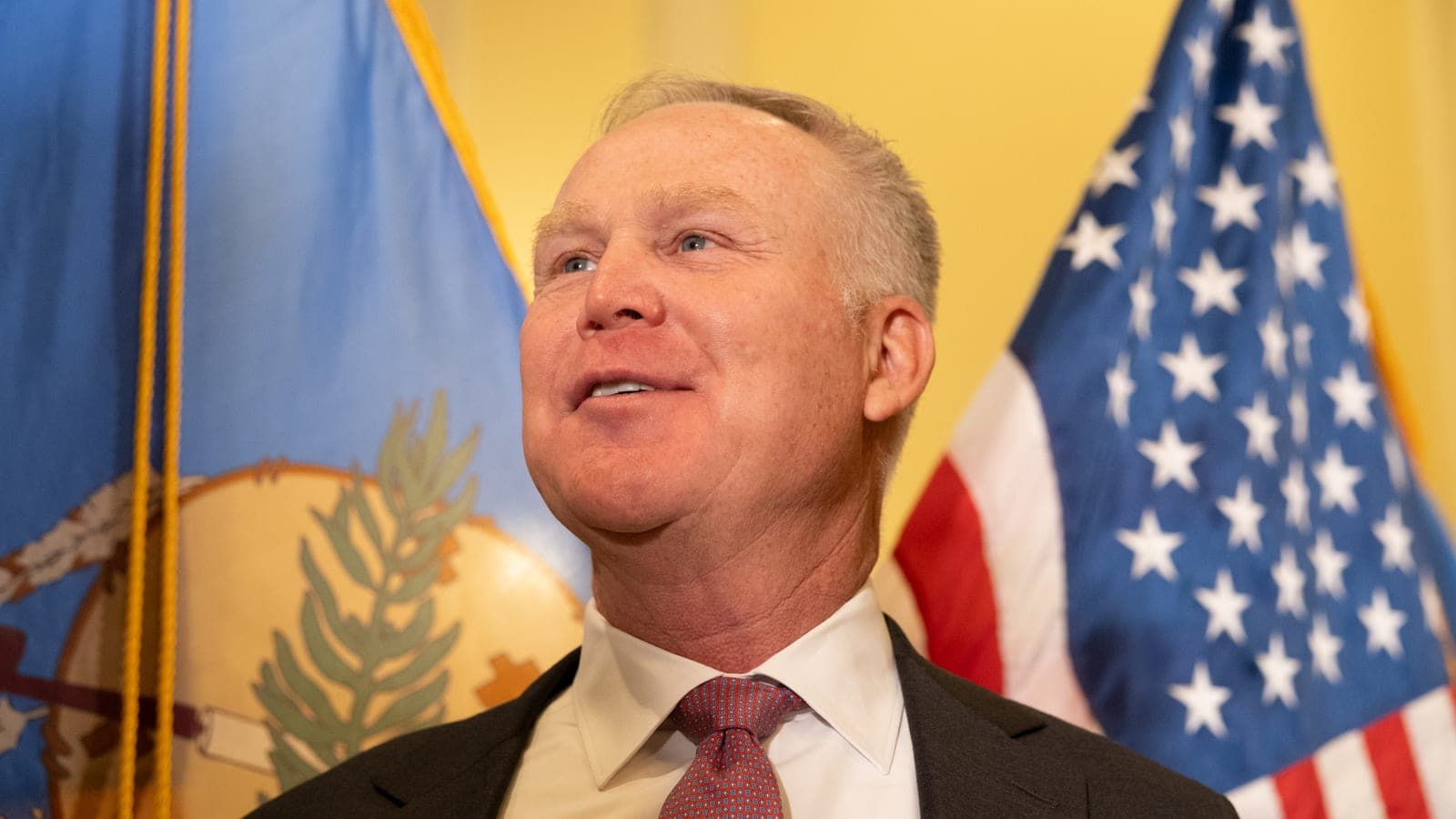
Oklahoma’s appointed Sen. Alan Armstrong and Rep. Kevin Hern are competing over when the state’s vacant Senate seat should change hands after the November election. Unclear state law has prompted state Senate leader Lonnie Paxton to seek an attorney general’s opinion.
The article says Armstrong wants to serve through January to pursue permitting reform, while Hern wants to take office once his election is certified, assuming he wins. Hern has hired an attorney to prepare for a possible legal dispute, and Armstrong is relying on Gov. Kevin Stitt’s support. The article notes that Oklahoma law contains two provisions that appear to leave the timing unclear.
Oklahoma State Senate Pro Tem Lonnie Paxton asked Attorney General Gentner Drummond for a formal opinion on when Armstrong’s term ends and whether the governor can delay election certification. Drummond had not issued an opinion. Former state House speaker and lieutenant governor candidate T. W. Shannon publicly argued that Hern should take office as soon as his election is certified.
Community verdict
10 VOTES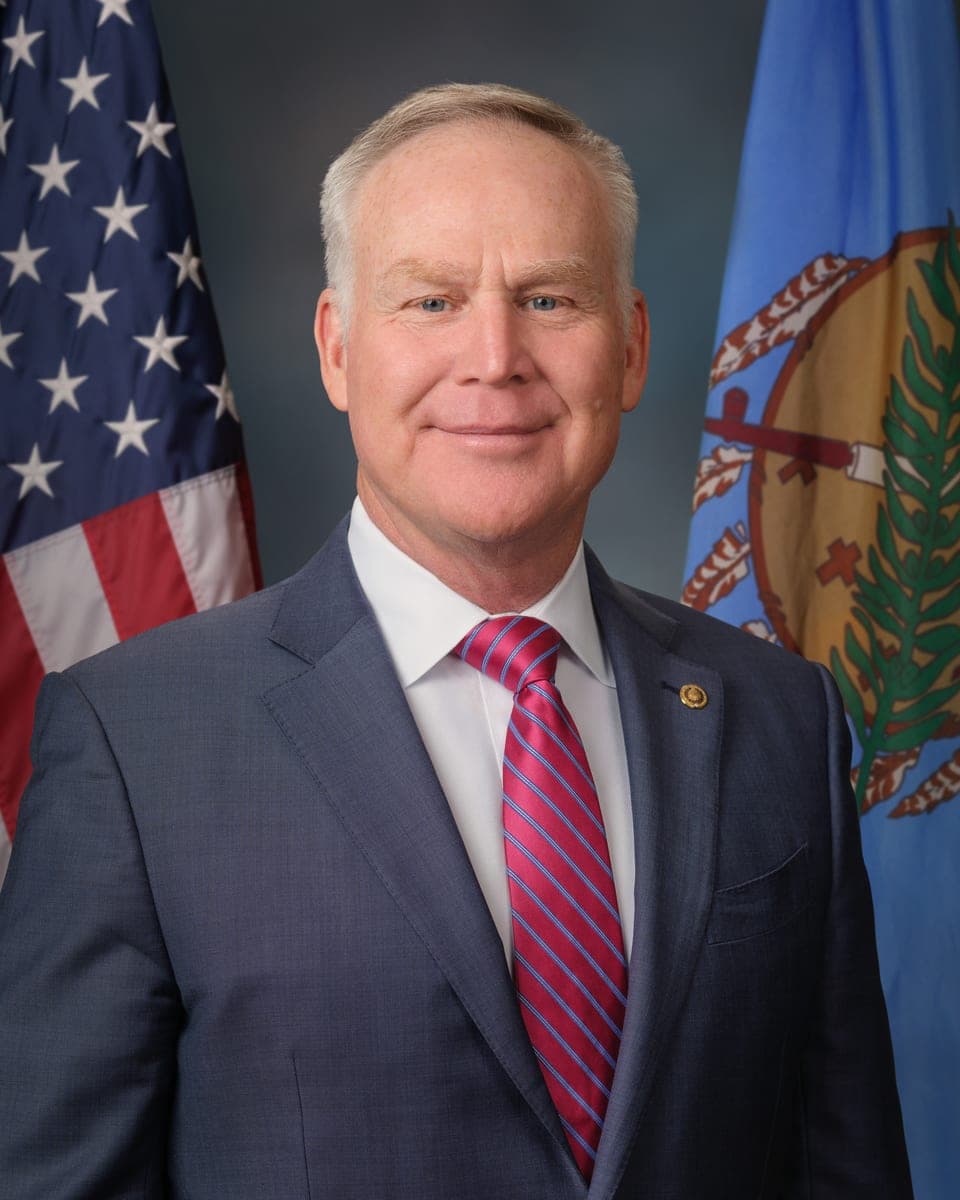
People in this story
SWIPE →Appointed senator seeking to serve the remainder of the term through January
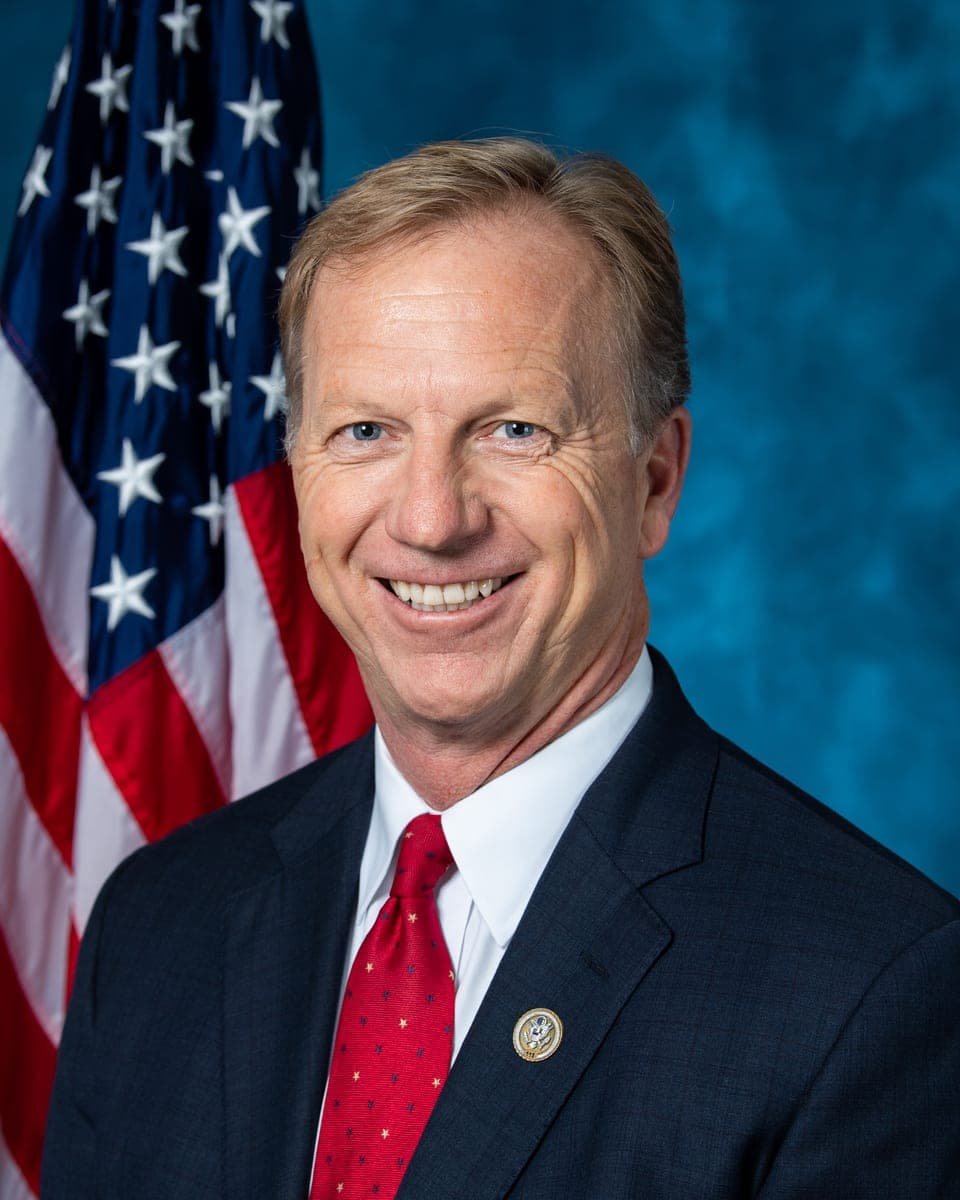
Representative and likely successor seeking to take office after election certification
Hern's version of this story ↗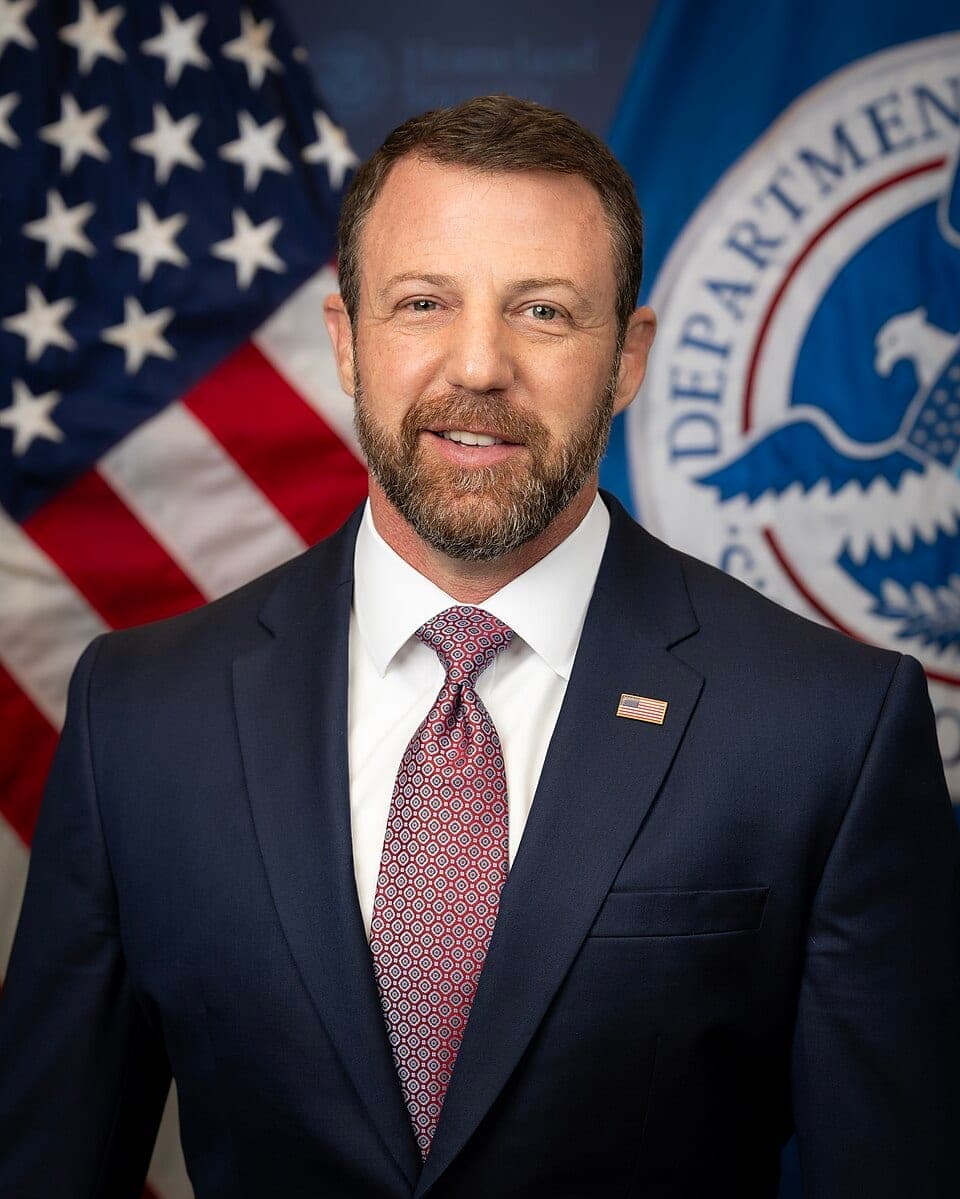
Former senator whose term is being completed
Part of a bigger story
4 OUTLETSOutlets agree that Alan Armstrong wants to remain in Oklahoma’s Senate seat until January, while Kevin Hern says the election winner can take office after the election is certified. Their disagreement centers on when the seat should change hands. Left-leaning outlets frame it as an Oklahoma Republican dispute, including possible effects on the end of Markwayne Mullin’s term and permitting legislation. Center outlets focus on the unresolved timing question and the request for legal clarification.
Discussion · 0
Loading comments…