Platner's voters are reeling as Maine Democratic Party races to choose his replacement
Platner’s withdrawal after rape allegations has left Maine Democrats rushing to select a replacement nominee.

SOURCE CHECK
TAP FOR WHYCredibility rates KGOU 106.3, which republished this story. The other scores rate the article itself.
KGOU is a public radio newsroom republishing NPR reporting, and the article identifies its NPR author and sources. The reporting includes named officials and voters and attributes the rape allegation and denial rather than presenting the allegation as established fact.
- Source type — Established public radio outlet carrying reporting from NPR.
- Author attribution — The article identifies Tamara Keith and credits NPR.
- Transparency — The article names interviewees and attributes their statements.
- Editorial standards — The allegation and Platner’s denial are both clearly attributed.
The story draws on named voters and political officials, provides the timeline for selecting a replacement, and reports both the allegation and Platner’s denial. It offers useful perspectives on the campaign’s disruption, though it does not include the accuser’s account or detailed evidence concerning the allegation.
HOW WE SCORE ↗The article includes varied views from party officials, supporters, voters and Collins, and reports Platner’s denial of the allegation. The accuser is not heard directly, and the story concentrates on Democratic voters and the party’s replacement process.
- Source diversity — Several voters and Democratic officials are quoted, with Collins included as the Republican incumbent.
- Counterarguments presented — Platner’s denial is included, though the accuser’s perspective is absent.
- Omitted context — The story does not provide detail about the allegation or the accuser’s account.
- Loaded language — The article’s framing is mostly descriptive, with some voter characterizations quoted directly.
The story uses a largely neutral reporting style, attributing opinions to Democratic officials, voters and Collins. It focuses on the Democratic nomination’s disruption without adopting a clear partisan argument.
- Language tone — Descriptive language is generally restrained and claims are attributed.
- Source selection — Includes Democratic officials and voters as well as Collins’s remarks and campaign context.
- Framing — Centers on the nomination scramble and voter response rather than urging a political outcome.
Republished with credit
Republished from NPR, with credit to the original publisher.
70 stories · 89–90 · updated Oct 6, 2026
This is NPR's own score, and this article is credited to NPR. The host score in the Source Check is KGOU 106.3's.
Graham Platner dropped out of Maine’s Senate race after a former romantic partner accused him of rape, which he denies. Maine Democrats have until July 27 to choose a replacement, as supporters and party figures weigh whether the new nominee can retain his voters’ enthusiasm and challenge Susan Collins.
Platner won Maine’s Democratic Senate primary in June, but dropped out after rape allegations surfaced from a former romantic partner. He denies the allegations. The Maine Democratic Party plans to choose a nominee at a July 25 convention, ahead of a July 27 ballot deadline. The eventual nominee will face Republican Sen. Susan Collins.
Democratic officials and voters interviewed described uncertainty about whether Platner’s supporters will stay engaged and whether a replacement can carry forward his message. State Senate President Mattie Daughtry said the party needs a candidate who understands voters’ economic concerns, while some supporters expressed frustration and others said they remain optimistic. More than half a dozen candidates have announced, and no clear front-runner has emerged.
Community verdict
17 VOTES
People in this story
SWIPE →Senate candidate who left the Democratic race after rape allegations

Republican senator and the incumbent Democrats hope to defeat
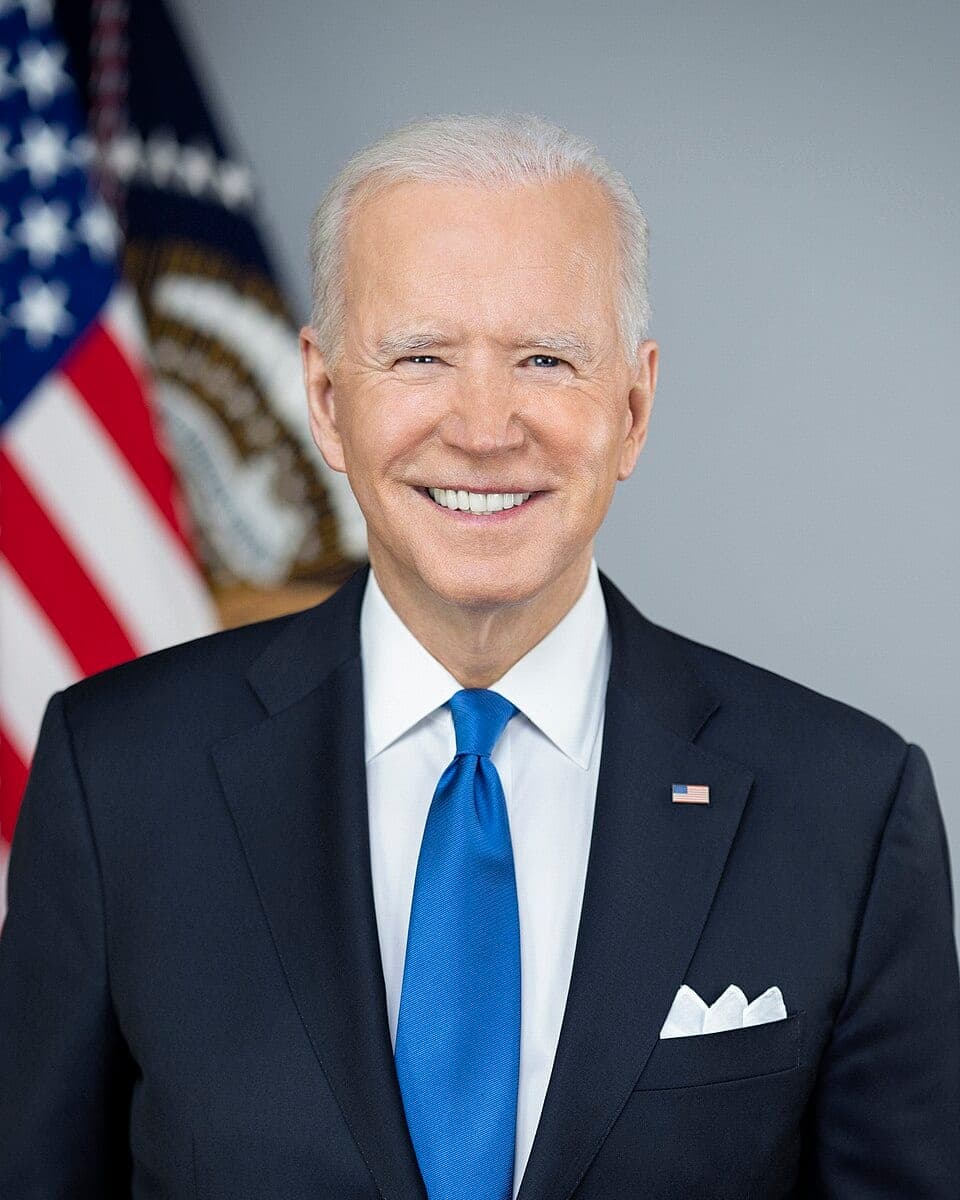
Former president referenced as Maine’s 2020 presidential choice
Maine Senate hopeful seeking the Democratic nomination
Part of a bigger story
48 OUTLETSOutlets agree Graham Platner exited Maine’s Senate race, and Democrats are seeking a replacement to challenge Susan Collins. Left-leaning outlets frame his departure as a potential relief for Democrats and a continuing challenge for Collins. Center outlets emphasize Republicans’ improved Senate outlook and Democrats’ effort to choose a replacement, with some also focusing on party conflict. Right-leaning outlets often fault Democrats who backed Platner, while some assess how his departure could affect Collins.
- ARTICLES
- 56
- OUTLETS
- 48
- AVG CRED
- 64



Discussion · 0
Loading comments…