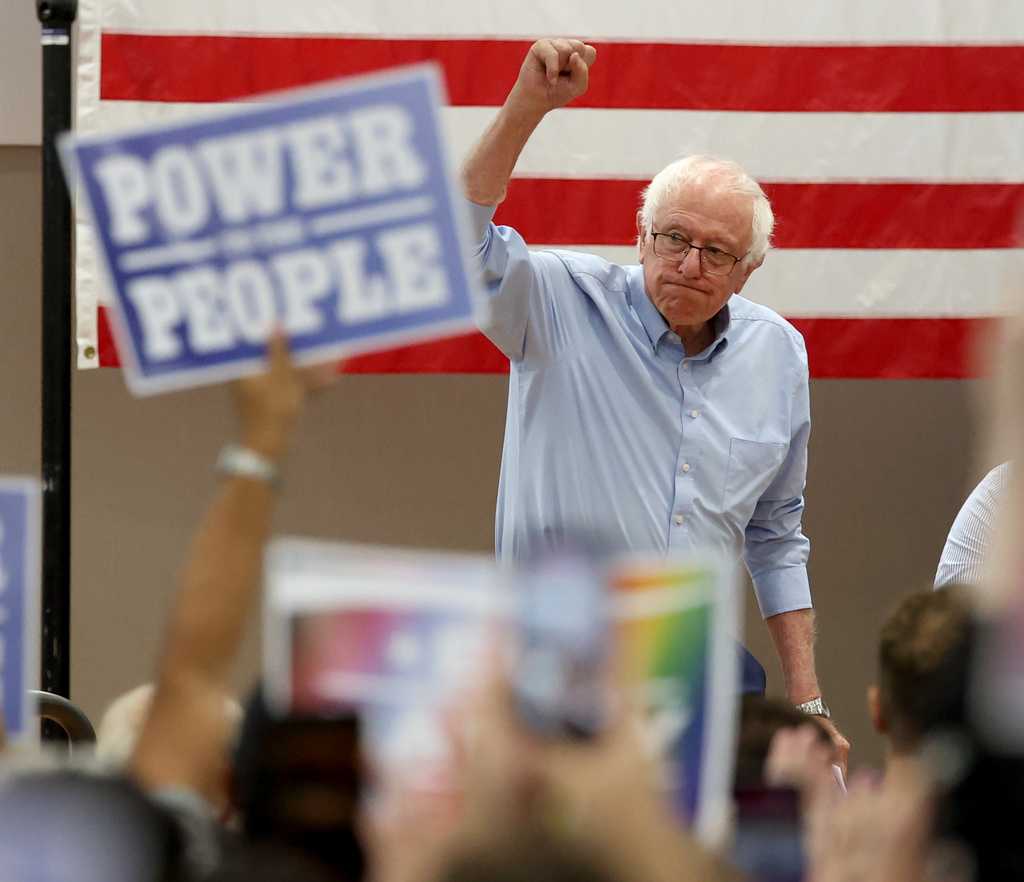
Sen. Bernie Sanders unveils bill to ban artificial superintelligence and create Department of AI
Sanders is proposing a ban on artificial superintelligence and a pause on advanced AI development until federal safety rules are established.
SOURCE CHECK
TAP FOR WHYCredibility rates KETV, where this article appeared. The other scores rate the article itself.
The reporting is attributed to the Associated Press, an established wire service with professional editorial standards. KETV appears to be carrying AP-produced reporting rather than conducting the original reporting itself.
- Source type — Associated Press reporting is generally a strong institutional source.
- Author attribution — The article is explicitly attributed to the Associated Press.
- Editorial standards — The wire service has established newsroom and editorial practices.
- Transparency — The article identifies sources and attributes claims and quotations.
The article gives concrete details about the proposal, quotes Sanders and supporters from AI companies, and includes polling and political context. It notes arguments against sweeping restrictions and the bill’s low prospects, but offers little direct comment from critics of the proposal.
HOW WE SCORE ↗The story presents supporters’ views, the political obstacles to passage, and concerns about slowing U.S. development while China continues. However, it does not quote a direct opponent of the bill, so the counterargument is less developed than the case for safeguards.
- Source diversity — Quotes Sanders and supportive AI employees and researchers; no direct bill opponent is quoted.
- Counterarguments presented — Notes the China-competition argument against sweeping restrictions and the proposal’s poor prospects.
- Opinion vs reporting — Presented as reporting, with opinions attributed to their speakers.
- Loaded language — Generally restrained language, with evaluative claims placed in quotations or attributed statements.
The article reports the proposal and competing political positions in a largely descriptive tone. It includes supportive voices and reasons for caution without clearly endorsing either side.
- Language tone — Mostly descriptive wording; attributed quotations carry the strongest judgments.
- Source selection — Includes supporters of the bill and describes political resistance and arguments against restrictions.
- Framing — Frames the proposal as part of a broader debate over AI safeguards without an explicit editorial conclusion.
Original publisher not identified
This article credits another publisher, which ChamberLight has not identified, so the scores are KETV's own.
Bernie Sanders and Greg Casar are unveiling legislation to ban artificial superintelligence, pause advanced AI development until safety rules are established, and create a federal AI agency. The proposal faces long odds in Congress, while President Donald Trump has resisted calls for greater oversight.
Sanders and Casar are proposing a ban on artificial superintelligence, a pause on development of the most advanced AI systems until federal safety rules are established, and a new Department of Artificial Intelligence. The bill would also require federal approval before advanced systems are deployed and could impose penalties including prison time. Employees at AI companies and experts voiced support for the proposal.
The article says the proposal faces long odds in the Republican-controlled Congress. Sanders argues that AI development should be slowed and says avoiding the most dangerous forms of AI would require cooperation with China. Trump has resisted calls for increased oversight and said at the United Nations that artificial intelligence will be renamed “super intelligence.”
Community verdict
27 VOTES
People in this story
SWIPE →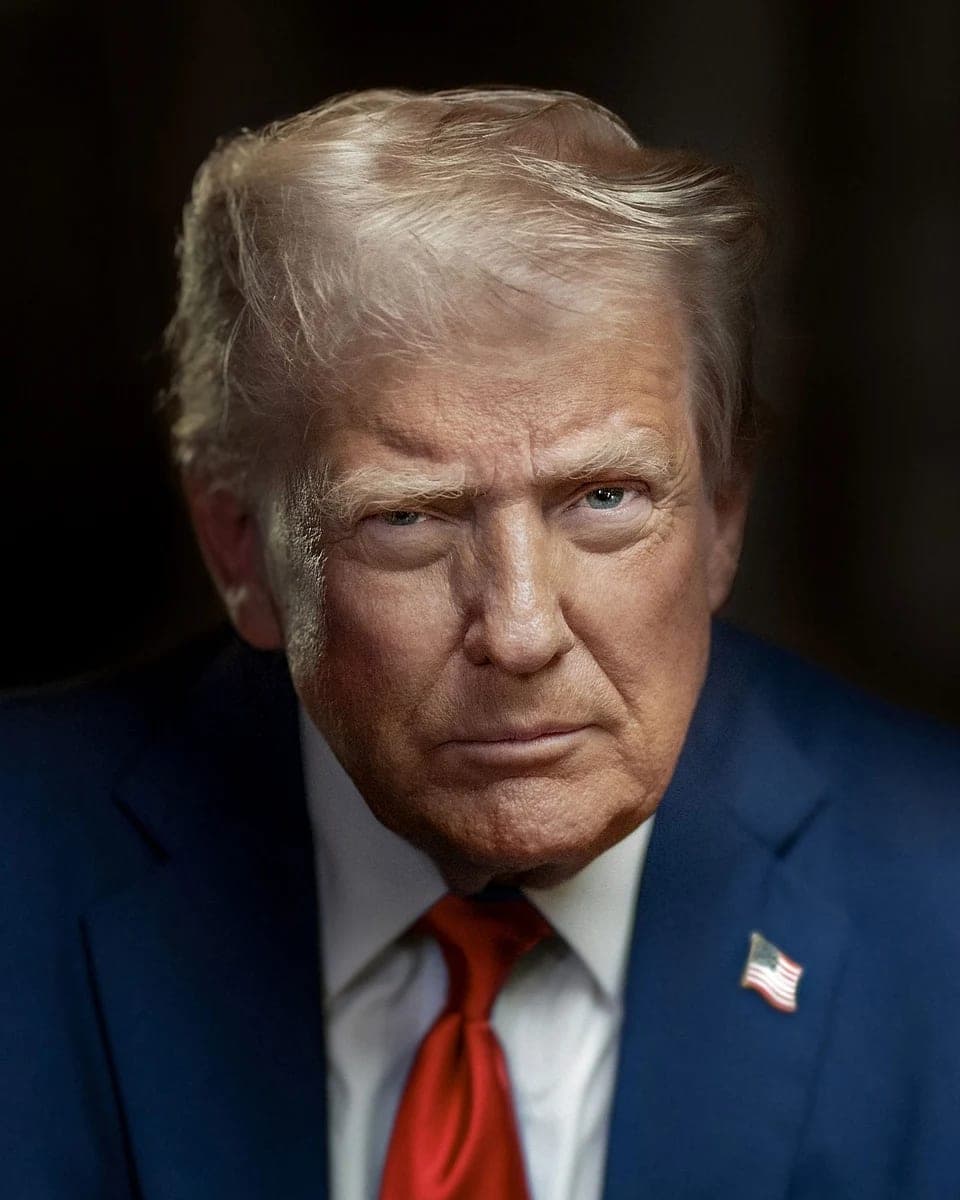
President whose position on federal AI oversight contrasts with the proposal
Trump's version of this story ↗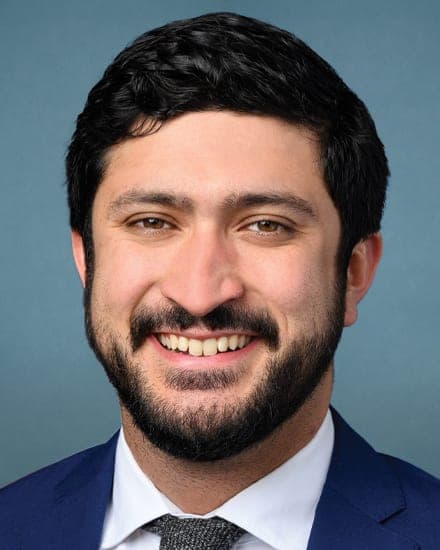
Representative and co-sponsor of the proposed AI restrictions
Part of a bigger story
50 OUTLETSBernie Sanders and Rep. Greg Casar introduced a bill to ban artificial superintelligence, pause advanced AI development until safety rules are set, and establish a federal AI agency. Left-leaning outlets frame the proposal around AI risks and safeguards before further development. Center outlets describe the bill and place it within debates over regulation, political prospects and competing approaches. Right-leaning outlets highlight support for the measure while raising concerns that restrictions could slow U.S. development as China advances.
- ARTICLES
- 52
- OUTLETS
- 50
- AVG CRED
- 77
Discussion · 0
Loading comments…