Analysts shift Kansas' US Senate race from 'safe R' to 'likely R' — a small change with big impact
Marshall’s campaign disputes the suggestion that Hamilton’s primary win makes the Senate race highly competitive.

SOURCE CHECK
TAP FOR WHYCredibility rates KCUR - Kansas City news and NPR, which republished this story. The other scores rate the article itself.
KCUR is an established public-radio newsroom with a local reporting focus and an identifiable author. This article is attributed as first published by the Kansas Reflector, so its original reporting is reproduced rather than produced by KCUR.
- Source type — Established local public-radio newsroom.
- Editorial standards — The publisher is an identifiable news organization with professional reporting practices.
- Author attribution — The article names its author.
- Transparency — The page identifies the Kansas Reflector as the original publisher.
The article uses named forecasters, campaign spokespeople, vote totals and fundraising figures, and presents perspectives from both campaigns. It gives limited independent context for the claims and does not include direct comment from the candidates.
HOW WE SCORE ↗The article includes evidence and claims from both campaigns alongside forecasts from two outside analysts. The candidates do not speak directly, and Marshall’s residency scrutiny is included without a response from him in the article.
- Source diversity — Draws on two forecasters and spokespeople for both campaigns.
- Counterarguments presented — Presents competing campaign claims and a forecast that still favors Republicans.
- Omitted context — The article reports scrutiny of Marshall’s Florida trips without including his response.
- Loaded language — Loaded campaign language is quoted and attributed rather than adopted by the article.
The article reports the ratings change, vote and fundraising figures, and statements from both campaigns in largely neutral language. It does not clearly favor either party or candidate in its framing.
- Language tone — Mostly descriptive language, with campaign characterizations attributed to their speakers.
- Source selection — Includes statements from both campaigns and two election forecasters.
- Framing — Focuses on a change in race ratings while noting that forecasters still favor a Republican winner.
Republished with credit
Republished from Kansas Reflector, with credit to the original publisher.
15 stories · 69.9–75.5 · updated Oct 1, 2026
This is Kansas Reflector's own score, and this article is credited to Kansas Reflector. The host score in the Source Check is KCUR - Kansas City news and NPR's.
National forecasters shifted Kansas’ U.S. Senate race from safe or solidly Republican to likely Republican after Adam Hamilton won the Democratic primary. They still favor a Republican victory, while the candidates’ campaigns dispute how competitive the race is.
The Rev. Adam Hamilton won the Democratic primary with roughly 35% of the vote and will face incumbent Sen. Roger Marshall in November. Sabato’s Crystal Ball and the Cook Political Report moved their ratings to “likely” Republican, while continuing to favor a Republican winner. Kyle Kondik of Sabato’s Crystal Ball described the race as a long shot for Democrats, noting that Hamilton raised more than Marshall last quarter.
Marshall’s campaign spokesperson said Marshall received more votes than any Democratic primary candidate and criticized Hamilton’s performance in Wichita and rural counties. Hamilton’s spokesperson said voters were frustrated with prices, war and Marshall. The article also notes scrutiny of Marshall’s Florida trips, and that Noah Taylor performed well in parts of central and western Kansas, according to unofficial results.
Community verdict
6 VOTES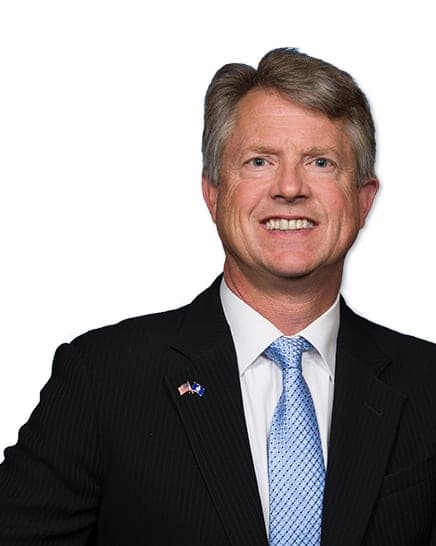
People in this story
SWIPE →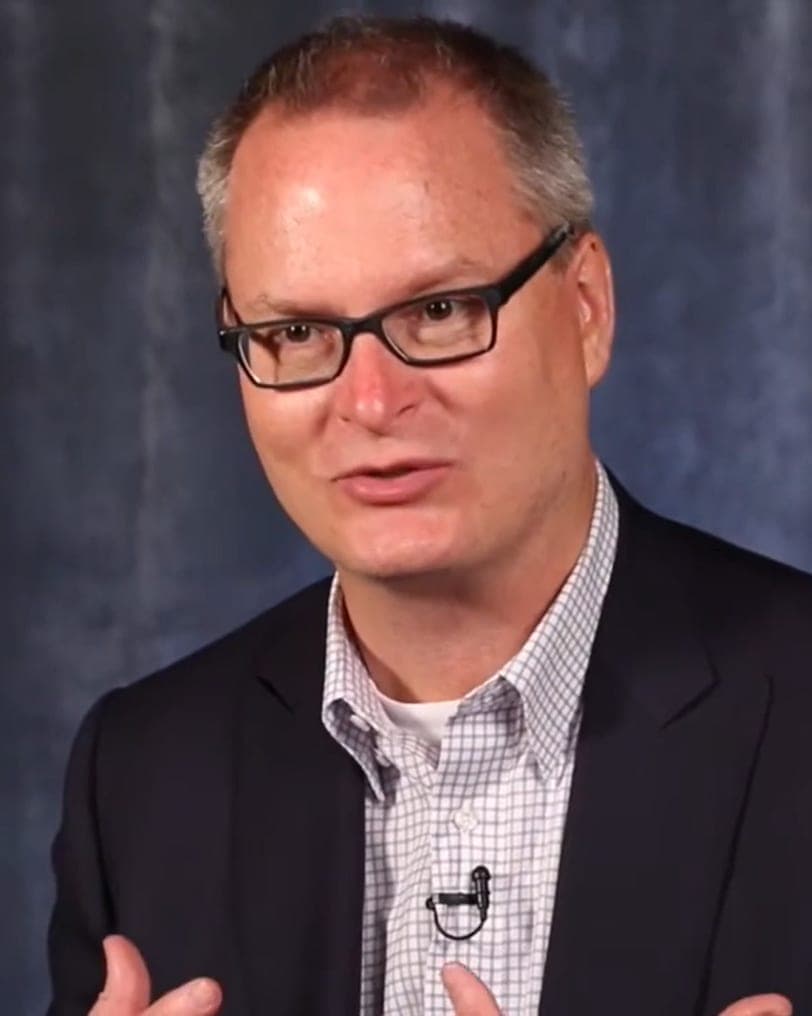
Democratic Senate candidate
Part of a bigger story
3 OUTLETSThe articles report that Adam Hamilton won the Democratic Senate primary, setting up a Kansas U.S. Senate race against Roger Marshall. Center outlets agree on the matchup but differ in emphasis: one highlights both candidates’ economic and cost-of-living messages, while another focuses on forecasters’ shift to a less certain Republican rating and the campaigns’ disagreement over competitiveness.
- ARTICLES
- 3
- OUTLETS
- 3
- AVG CRED
- 74
Discussion · 0
Loading comments…