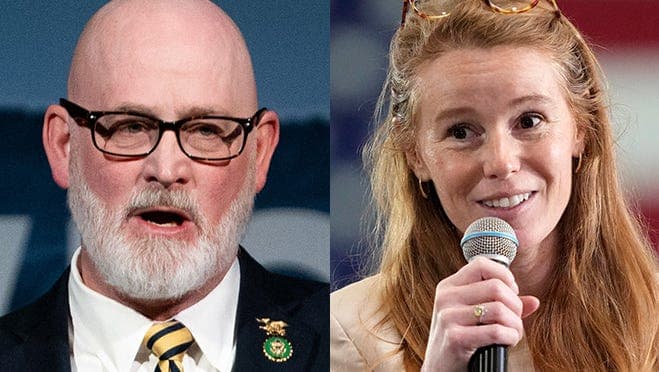
Cooke sends cease and desist to Van Orden over AI deepfake videos
He posted AI videos depicting Cooke making statements and responded to her attorney’s notice with another video mocking it.
SOURCE CHECK
TAP FOR WHYThe Journal Sentinel is an established regional news organization, which supports a strong institutional credibility rating. The page provides no byline, limiting transparency about who reported this article.
- Source type — Established regional newspaper with a local-news reporting focus.
- Editorial standards — The publisher is a recognized newsroom, though the article itself does not describe its editorial or correction practices.
- Author attribution — No author is identified in the article metadata.
Quality of the journalism in this article itself — sourcing, evidence, balance — independent of the host site's reputation.
HOW WE SCORE ↗The article presents Cooke’s side through the attorney’s letter and includes Van Orden’s response, but does not provide a substantive defense or explanation from Van Orden about the videos’ content. It also supplies details about the clips and applicable law.
- Counterarguments presented — Van Orden’s spokesperson responds, but does not address the claims about the videos’ contents.
- Source diversity — The story includes the attorney’s letter, a spokesperson’s statement, and descriptions of the videos and legal context.
- Omitted context — The article offers little detail about Van Orden’s rationale for posting the videos.
The article uses mostly descriptive language and attributes the disputed claims to Cooke’s attorney. It includes Van Orden’s response, although that response does not directly address the videos’ content.
- Language tone — The reporting is largely factual and avoids adopting the letter’s accusatory language as its own.
- Source selection — It quotes Cooke’s attorney and includes a response from Van Orden’s spokesperson.
- Framing — The article centers on the cease-and-desist notice and the videos, without overt partisan framing.
An attorney for Democratic candidate Rebecca Cooke asked Rep. Derrick Van Orden to stop posting AI-generated videos depicting her making statements she says she never made. Van Orden responded with another AI video mocking the cease-and-desist notice, while the article notes Wisconsin’s disclosure law does not cover these social-media clips.
An attorney for Cooke sent Van Orden a cease-and-desist notice over videos depicting her making statements about corruption and free health care for undocumented immigrants. Cooke’s attorney called the video fictional and said Cooke had never made or supported the statements attributed to her. The article describes several other AI videos Van Orden posted, including some that carried an AI watermark on X but had no disclaimer on Facebook.
Van Orden responded with another AI video mocking the notice, and his spokesperson called the letter a “FULL BLOWN tantrum.” The article says Wisconsin’s 2024 disclosure law for AI in political advertisements does not apply to the social-media clips, and that no federal law limits or regulates AI use in political campaigns. Cooke’s team argued the video could fall under Wisconsin defamation statutes.
Community verdict
13 VOTES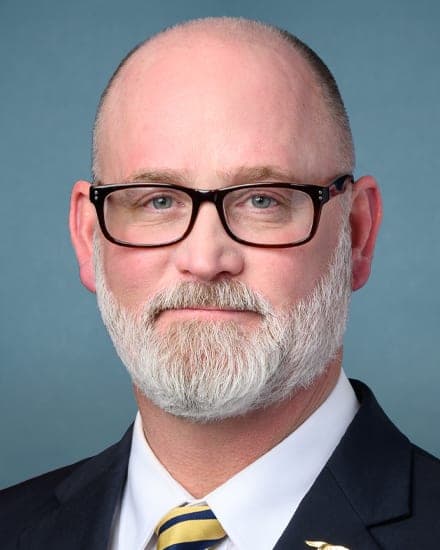
People in this story
SWIPE →Representative and candidate who posted the AI-generated videos

Democratic candidate targeted by Van Orden’s AI-generated videos
Cooke's version of this story ↗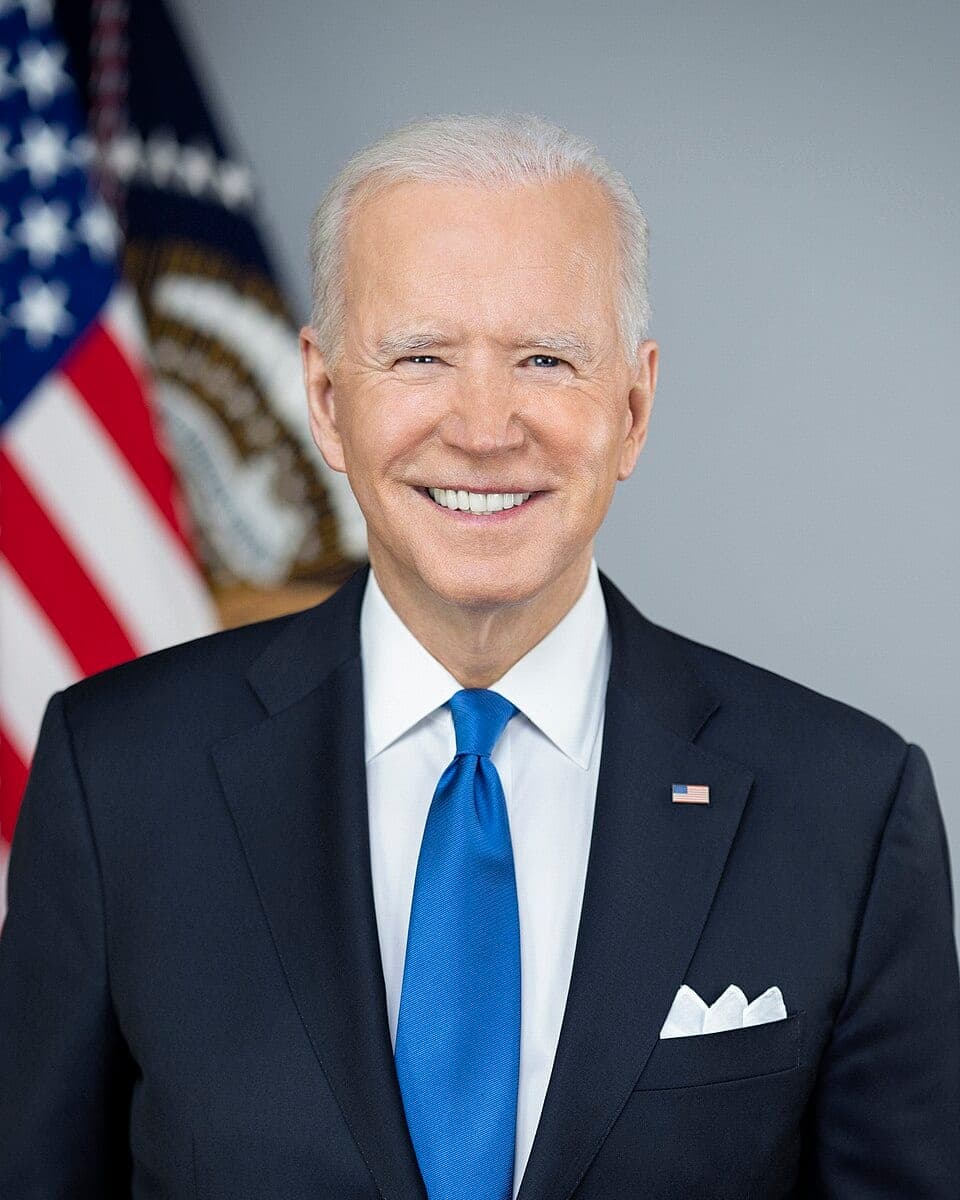
Former president depicted in the videos
Part of a bigger story
8 OUTLETSRebecca Cooke’s campaign sent Derrick Van Orden a cease-and-desist letter over AI-generated videos depicting her making statements she says were false. Van Orden later posted another AI-generated video. Left-leaning outlets frame the videos as misleading political ads and emphasize Van Orden’s follow-up post. Center outlets present the letter and competing campaign claims as a dispute, with some adding broader context about campaign deepfakes and legal standards.
- ARTICLES
- 8
- OUTLETS
- 8
- AVG CRED
- 75
Discussion · 0
Loading comments…