Attempts to stage a debate fizzle in key Wisconsin congressional race
Van Orden and Cooke’s campaigns traded blame after debate negotiations fell apart.
SOURCE CHECK
TAP FOR WHYThe Journal Sentinel is an established regional newspaper, and this report attributes the candidates’ competing accounts and includes comments from political science professors. The article does not identify its byline here, and Cooke was unavailable for an interview.
- Source type — Established regional newspaper with a record of local political reporting.
- Editorial standards — Presents the dispute as competing claims and distinguishes campaign statements from expert commentary.
- Source diversity — Includes statements from both campaigns and two political science professors, though Cooke herself was not interviewed.
- Author attribution — The article names a contributing reporter, but the byline is not identified in the article metadata.
The report includes accounts from both campaigns, quotes their claims, and adds expert context and debate history. It does not independently settle the conflicting accounts, and Cooke was unavailable for an interview.
HOW WE SCORE ↗The article presents both campaigns’ explanations and adds expert perspectives. It does not resolve whose account of the negotiations is accurate, and Cooke herself was not interviewed.
- Counterarguments presented — Both campaigns’ explanations and accusations appear in the report.
- Source diversity — Campaign accounts are supplemented by two academic experts.
- Omitted context — The article could not obtain an interview with Cooke and does not independently establish what happened in negotiations.
The report uses neutral language and attributes the opposing claims to the campaigns. It gives both sides space and includes expert views on the value of a debate.
- Source selection — Includes claims from both campaigns and comments from two political science professors.
- Language tone — Mostly matter-of-fact wording, with charged claims quoted and attributed.
- Framing — Frames the failed negotiations as a dispute with consequences for voters, without declaring either side responsible.
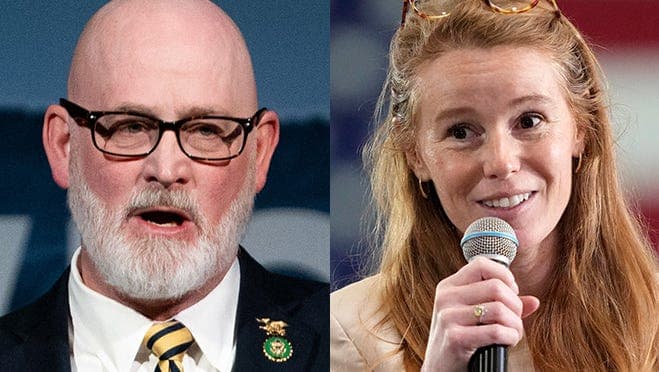
Derrick Van Orden and Rebecca Cooke have not scheduled a debate in Wisconsin’s competitive 3rd Congressional District, and each side blames the other for negotiations falling apart. Political experts say the absence would deprive voters of a chance to hear the candidates in an extended format.
As of Oct. 1, incumbent Derrick Van Orden and challenger Rebecca Cooke had not scheduled a debate. Cooke’s campaign said Van Orden’s team reneged on dates and favored partisan venues; Van Orden posted that Cooke refused and lied about the negotiations. The article also reports that a Cooke campaign staff member declined to continue talks, saying they were not being held in good faith.
Political science professors Anthony Chergosky and Barry Burden said a debate could let voters hear the candidates directly, and Burden called it a shame if voters did not get that opportunity. The article notes the district last held a congressional debate in 2020 and had none in 2022 or 2024.
Community verdict
9 VOTES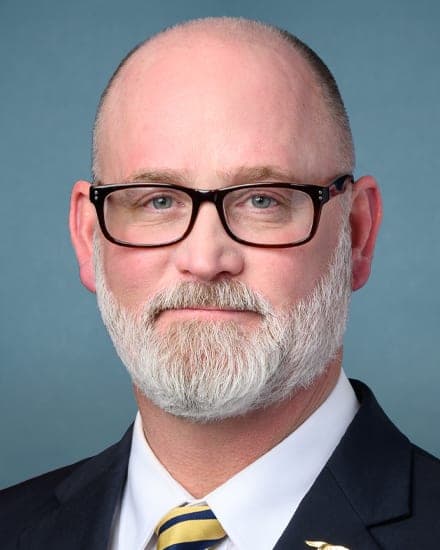
People in this story
SWIPE →Republican incumbent and participant in the failed debate negotiations
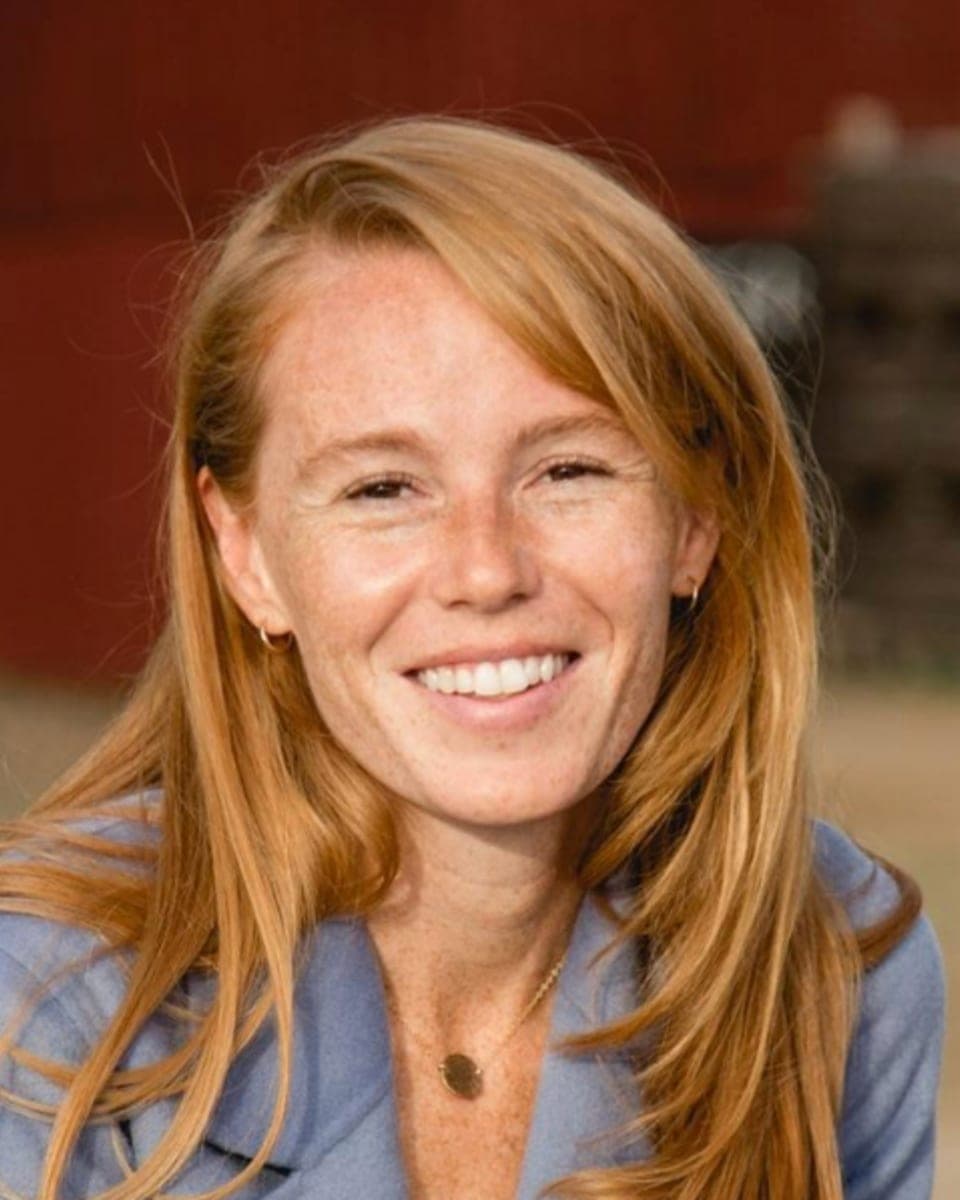
Democratic challenger and participant in the failed debate negotiations
Cooke's version of this story ↗Van Orden’s opponent in the 2022 election cycle
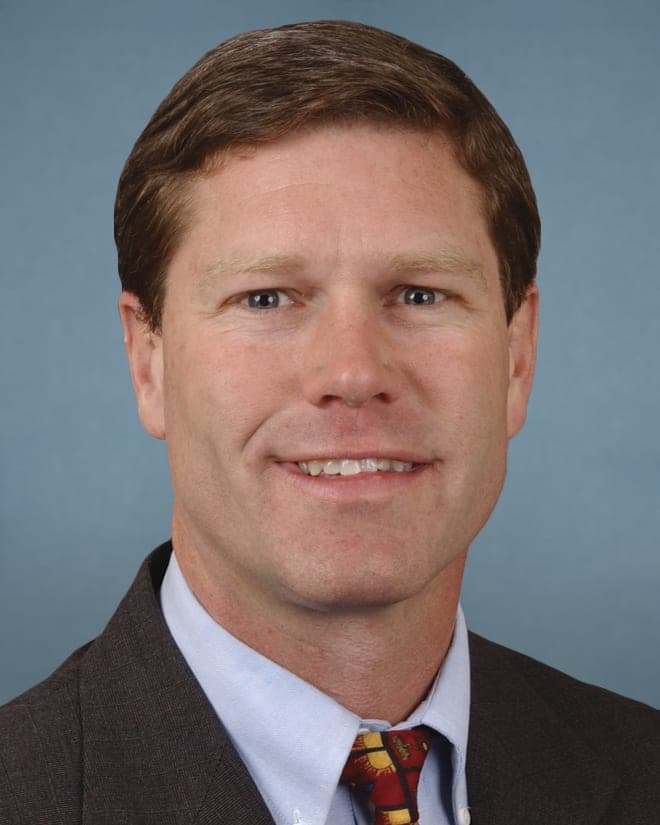
Former Democratic representative who debated Van Orden in 2020
Discussion · 0
Loading comments…