So Nice of Tom Kean to Take 4 Months of Paid Sick Leave After Voting Against Paid Sick Leave!
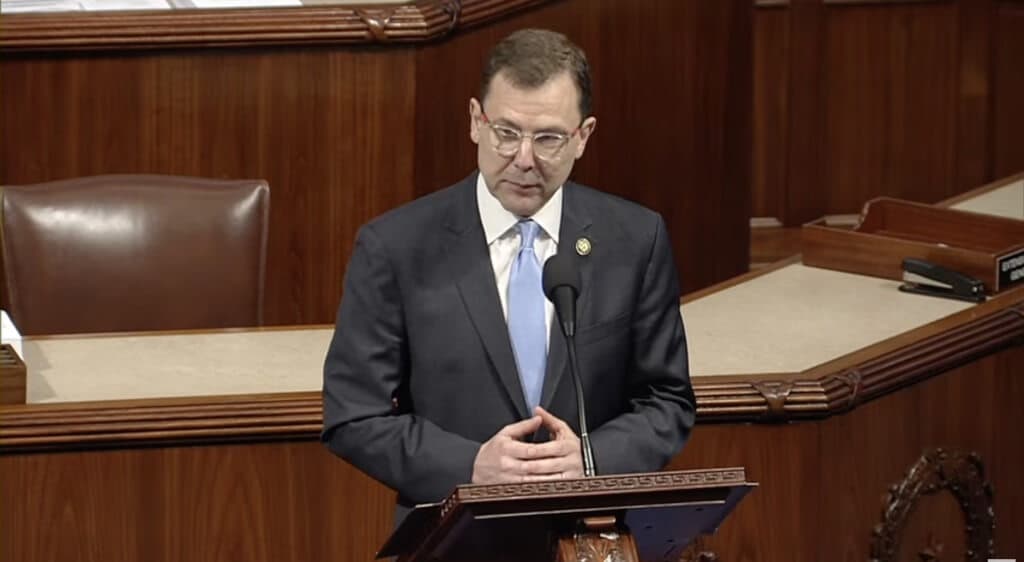
Kean returned to the House and disclosed that his extended absence was related to a diagnosis of depression.
SOURCE CHECK
TAP FOR WHYJezebel is an established digital publication, but this article’s strongly opinionated presentation and unknown byline limit confidence in its editorial transparency. It references reporting by Politico and Mother Jones, though much of the article’s framing and several details are not independently attributed.
- Source type — Established digital publication, but this is a commentary-style piece rather than straight reporting.
- Author attribution — No author is identified in the available article information.
- Transparency — The article names outside reporting and a quoted advocacy official, but does not provide extensive sourcing for every claim.
- Editorial standards — The piece uses overtly sarcastic framing, making its reporting and commentary less distinct.
The article includes a direct quotation from Kean and a named outside source, and it points to earlier reporting about his absence. However, its sarcastic, one-sided framing dominates, and it offers little response or context about the prior state-legislative votes and the circumstances of his absence.
HOW WE SCORE ↗The article presents Kean’s explanation for his absence but largely frames the story as a criticism of his past votes and the benefits he received. It offers little context about those votes or a response from Kean to the criticism.
- Counterarguments presented — Kean’s explanation for his absence is quoted, but no response addresses the criticism of his past votes.
- Loaded language — The headline and article use sarcastic and dismissive phrasing.
- Source diversity — The article includes Kean, a worker-advocacy official, and Boebert, but the perspectives are not developed evenly.
- Omitted context — The article gives little detail about the state votes or the circumstances behind Kean’s absence.
The article’s language and framing are sharply critical of Kean and connect his absence to past votes against paid leave. It includes a critical quotation from Boebert but no substantial defense of Kean’s prior votes or absence.
- Language tone — The headline and body use sarcasm and mocking asides.
- Framing — The article foregrounds an apparent contradiction between Kean’s absence and his past votes on leave benefits.
- Source selection — The article quotes a worker-advocacy representative and a critic of Kean, without presenting a substantive defense.
Rep. Tom Kean Jr. returned to Congress after an absence of more than 100 days and disclosed that he had been diagnosed with depression. The article contrasts his paid, taxpayer-funded absence with his past votes against paid sick leave in New Jersey.
Kean returned to the House on Tuesday and said in a floor speech that his prolonged absence was due to a diagnosis of depression. The article reports that he had missed 100 votes and continued to receive his salary during the absence. It also recounts earlier reports about his whereabouts and his spokespeople’s statements that he was receiving care for an undisclosed health condition.
The article says Kean, as a New Jersey state senator, voted against a bill guaranteeing five paid sick-leave days and against the state’s No Surprise Medical Bills Act, as well as two paid family leave laws. A New Jersey Citizen Action official criticized what she described as a disconnect between Kean’s reliance on benefits and his votes. Rep. Lauren Boebert called his explanation embarrassing, while the article notes that Kean will face Rebecca Bennett in November.
Community verdict
VOTING CLOSED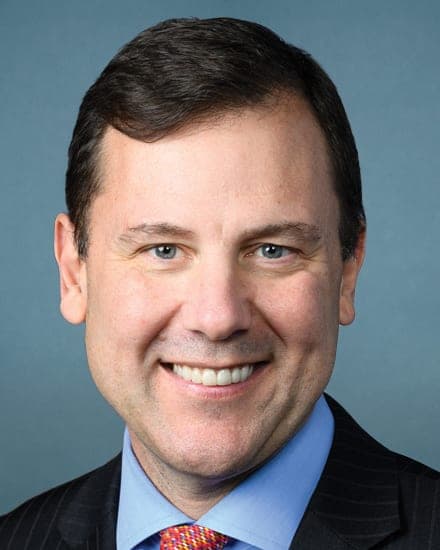
No good or bad look here
This story reports what happened without casting Kean in a good or bad light, so readers don’t rate it and it doesn’t count toward Kean’s record.
People in this story
SWIPE →New Jersey representative whose prolonged absence and return are the subject of the article

Colorado representative who criticized Kean’s explanation for his absence

Democratic candidate challenging Kean for his House seat
Part of a bigger story
11 OUTLETSKean returned to the House after an extended absence and disclosed that he had been diagnosed with depression. Center outlets pair scrutiny of his voting record on health and leave measures with debate over medical privacy and public accountability. Right-leaning outlets frame questions about his absence and policy views as attacks exploiting his illness.
- ARTICLES
- 11
- OUTLETS
- 11
- AVG CRED
- 57
Discussion · 0
Loading comments…