Many Silicon Valley Jews fret as Rep. Ro Khanna is favored to win primary
Khanna is favored to lead the field but faces criticism from some Jewish and Israeli-American voters.
SOURCE CHECK
TAP FOR WHYJ. is a local news publisher with an attributed byline, and the article includes named political analysts and community sources. The text offers no direct response from Khanna’s campaign, limiting the assessment of its sourcing and balance.
- Source type — Local news coverage focused on a district race and its community context.
- Author attribution — The article names Emma Goss as its author.
- Transparency — Named analysts and a named advocacy-group spokesperson are quoted.
- Editorial standards — The article attributes forecasts and criticisms to their sources, but the text provides limited evidence about corrections practices.
The article draws on named political analysts, a community advocate and reported campaign activity, and it distinguishes forecasts from polling. Khanna’s past remarks and associations are discussed, but the article does not include a direct response from his campaign.
HOW WE SCORE ↗The article includes criticism of Khanna alongside analysts’ reasons for his expected lead and examples of his engagement with Jewish community members. It does not include a direct response from Khanna’s campaign.
- Source diversity — The story includes an advocacy spokesperson, two political analysts and reported campaign activity, but not a campaign response from Khanna.
- Counterarguments presented — Analysts cite incumbency and Khanna’s lack of scandal as advantages, and the article notes his community roundtable.
- Loaded language — Some charged descriptions are attributed to quoted sources rather than presented as the reporter’s conclusions.
- Omitted context — The article notes the absence of polling but provides limited direct evidence about the candidates’ campaign organizations or support.
The article uses mostly descriptive language and attributes criticisms and race forecasts to their sources. Its focus on voters’ concerns about Khanna does not, by itself, establish a discernible political lean.
- Language tone — The writing is primarily reportorial, with criticism attributed to sources.
- Source selection — It quotes a community advocate and two analysts, though no Khanna campaign representative is quoted.
- Framing — The article presents both voter frustration and reasons analysts expect Khanna to lead.
Ethan Agarwal is challenging Rep. Ro Khanna in California’s 17th District, drawing support from some Jewish and Israeli-American voters who favor his pro-Israel stance. Political analysts expect Khanna and Agarwal to lead the June 2 primary field, though no public polling has been conducted.
A growing number of Jewish and Israeli-American voters are backing Agarwal, whom the article describes as positioning himself as the pro-Israel candidate against Khanna. The article reports criticism of Khanna over his comments on Israel and associations with online commentators, while also noting that he convened a roundtable with Bay Area Jewish leaders in April.
No public polling has been conducted, but a prediction market and two California political analysts favor Khanna to lead the field, with Agarwal in second. Analysts cited the advantages of incumbency and Khanna’s national profile, while also saying he needs to engage with constituents.
Community verdict
VOTING CLOSED
No good or bad look here
This story reports what happened without casting Khanna in a good or bad light, so readers don’t rate it and it doesn’t count toward Khanna’s record.
People in this story
SWIPE →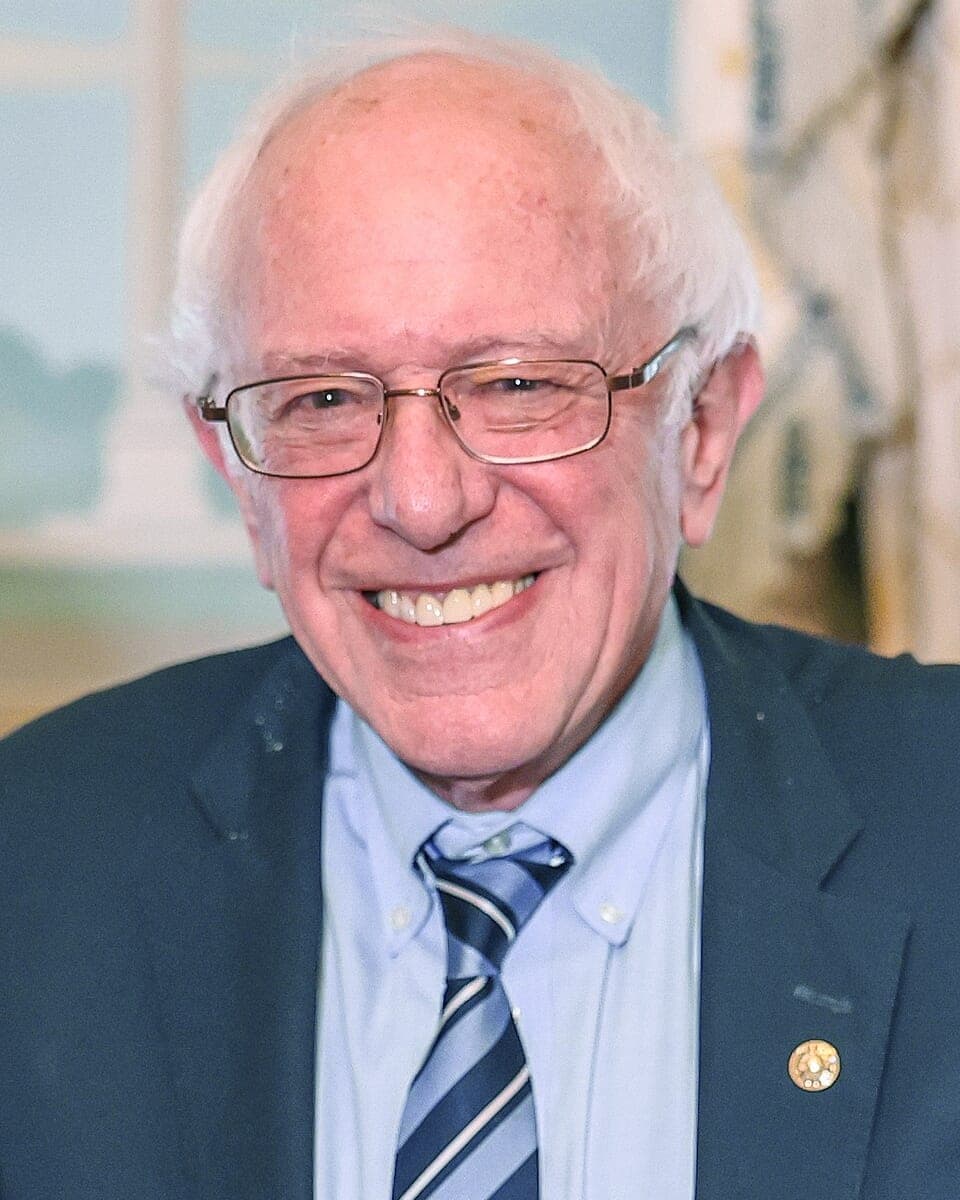
Senator and Khanna’s former national campaign co-chair

Vice president whom Khanna has feuded with
Discussion · 0
Loading comments…