How The GOP's Signature Law Is Fueling One Of Its Biggest Political Problems
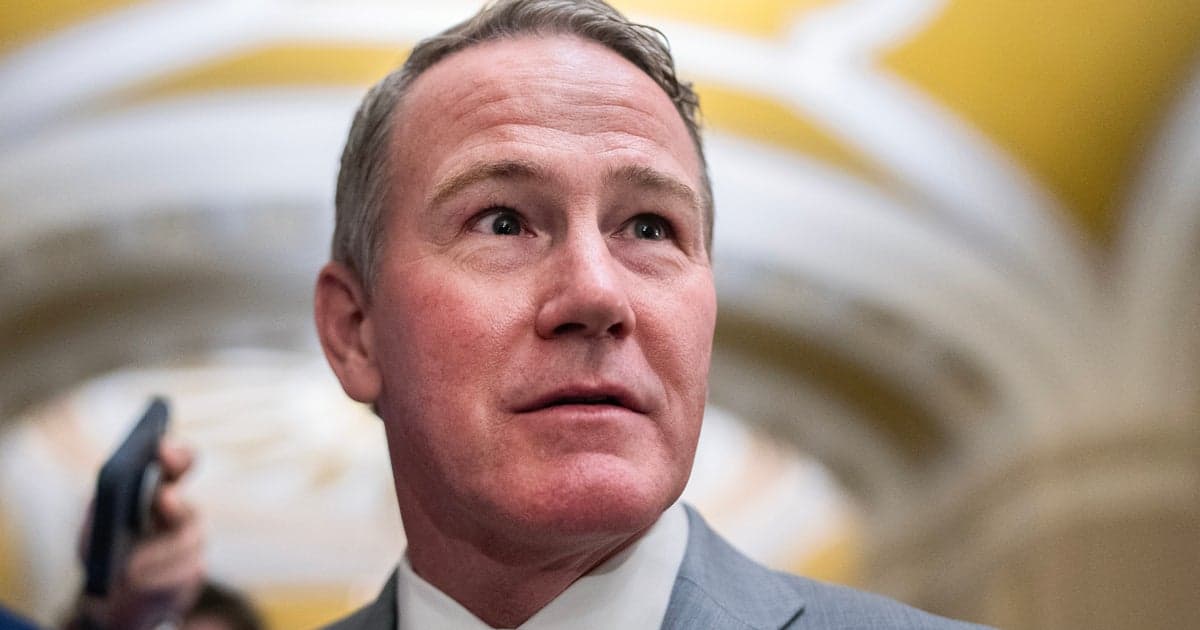
Husted sponsored a Senate bill on data-center-related costs as he faced campaign criticism over his record on the industry.
SOURCE CHECK
TAP FOR WHYHuffPost is an established national outlet with an identified reporter and a mix of original reporting and attributed analysis. The article includes named sources and research estimates, though one political source is anonymous and some survey claims are not fully detailed.
- Source type — An established national news publisher with a record of reporting on U.S. politics.
- Source diversity — The story quotes lawmakers, cites research organizations, and includes an anonymous political operative.
- Author attribution — A named reporter is credited.
- Editorial standards — The outlet has established newsroom practices, though no correction record is demonstrated in this article.
The article offers specific policy descriptions, attributed estimates from organizations with different ideological orientations, and comments from lawmakers across parties. Its account of public opinion and the political consequences relies partly on polling claims with limited methodological detail, and it includes only a narrow range of views from data-center communities and developers.
HOW WE SCORE ↗The article presents Republican arguments and campaign responses alongside Democratic criticism, and it describes what the Senate bill would and would not do. It gives substantial attention to attack ads and political strategy, with less space for data-center operators, affected residents, or a detailed defense of the tax provisions.
- Counterarguments presented — Republican lawmakers' positions and Husted's defense of his bill appear alongside Democratic criticism.
- Source diversity — Sources include lawmakers from both parties and tax-policy organizations, but few affected residents or industry representatives speak directly.
- Loaded language — The article uses some vivid political characterizations, though much of the charged language is quoted or attributed.
- Omitted context — The story gives limited detail on the competing policy arguments over the tax provisions and on the experiences of communities affected by data centers.
The story is primarily a reported account of political consequences and attributes its claims to sources. Its emphasis on Democratic attack ads and the GOP's political difficulties gives the framing a slight tilt toward highlighting Republican vulnerability, without making the article an argument.
- Framing — The headline and story organize the issue around political problems for Republicans.
- Language tone — Some vivid phrases, such as describing data centers as political poison, heighten the account of backlash.
- Source selection — The article includes both Republican and Democratic lawmakers, along with research organizations and campaign messaging.
Republicans are facing political backlash over data centers, which have benefited from tax provisions in the One Big, Beautiful Bill Act. The article describes campaign attacks on Republicans and a Senate effort to advance a bill that would only ask states to consider protecting consumers from data-center costs.
The article says Democrats are using tax breaks that benefit data-center developers to attack Republicans, as public opposition to data centers grows. It explains that the One Big, Beautiful Bill Act allows businesses to deduct the full cost of certain property immediately, and that data-center equipment qualifies. The Institute on Taxation and Economic Policy estimated that upfront depreciation saved AI companies nearly $27 billion in taxes last year, while the Tax Foundation estimated that a proposal to disallow the break for data-center builders could save as much as $46 billion over a decade.
Senate Republicans tried to advance the Ratepayer Protection Act, which asks states to consider avoiding higher consumer costs related to data centers but sets no construction rules or limits on electricity-rate increases. The article identifies Sen. Jon Husted as the bill’s sponsor and describes him facing campaign attacks over his record on data centers.
Community verdict
10 VOTES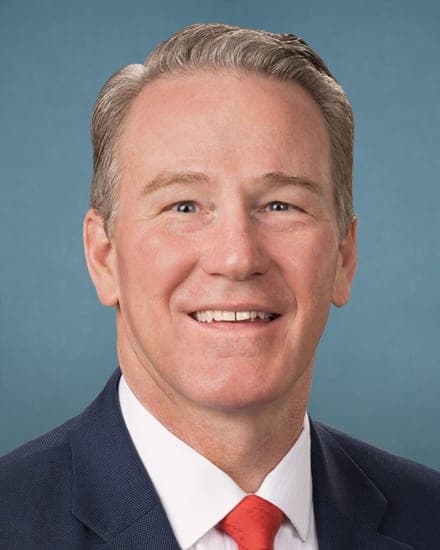
People in this story
SWIPE →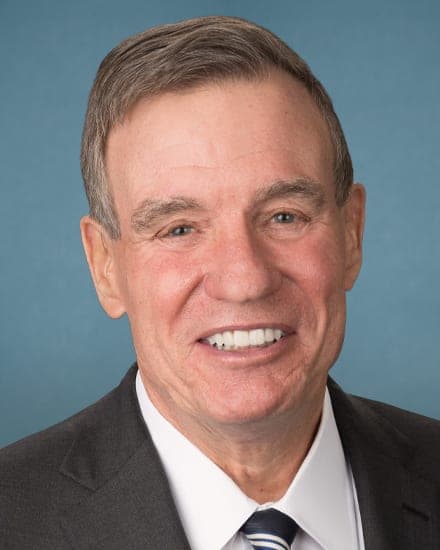
Senator who proposed excluding data-center builders from a tax break

Democratic House candidate opposing Barrett

Senator criticizing the Ratepayer Protection Act

Texas Senate candidate

President described as remaining supportive of data centers

Senator who proposed a nationwide moratorium on data-center development
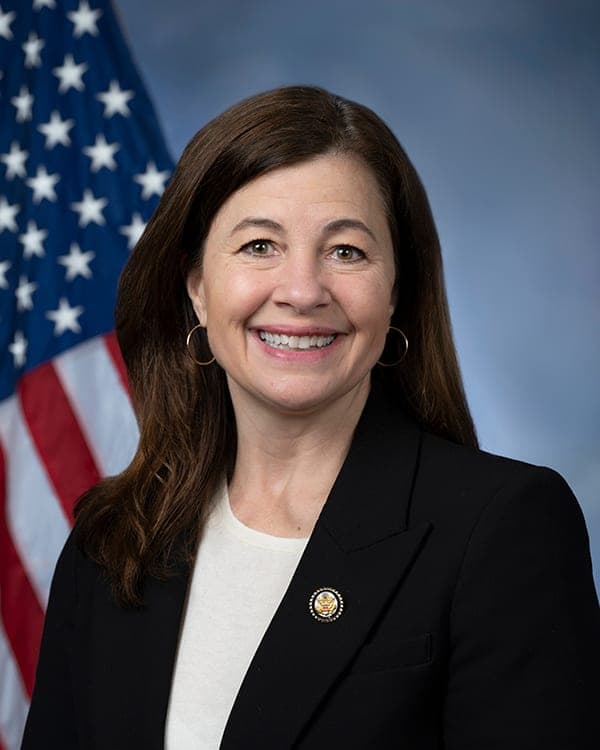
Representative and sponsor of an anti-data-center bill

Democratic House candidate opposing Van Orden
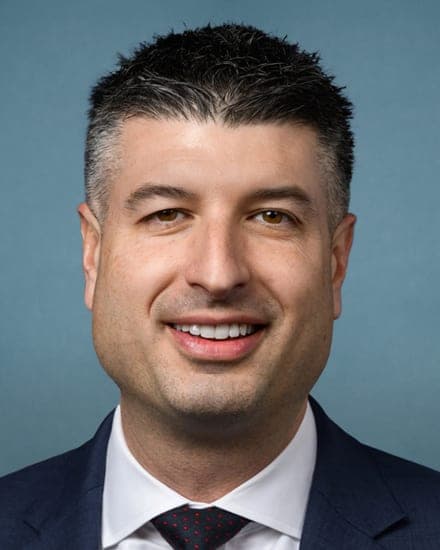
Representative and target of a data-center-related campaign ad
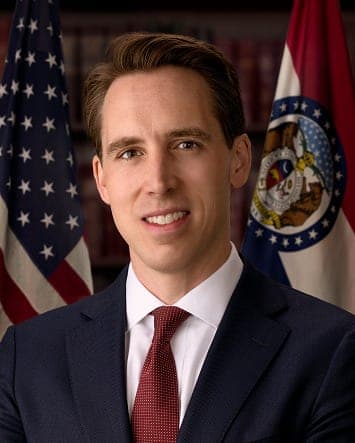
Senator who has introduced a bill to narrow eligibility for a tax provision
Texas attorney general and Senate candidate
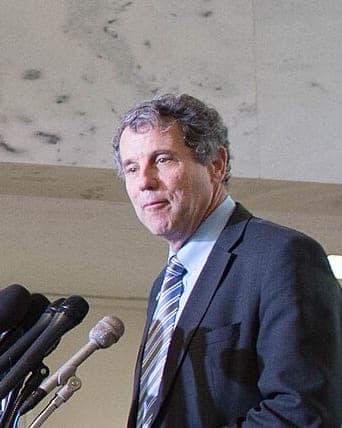
Senate candidate and Husted's opponent
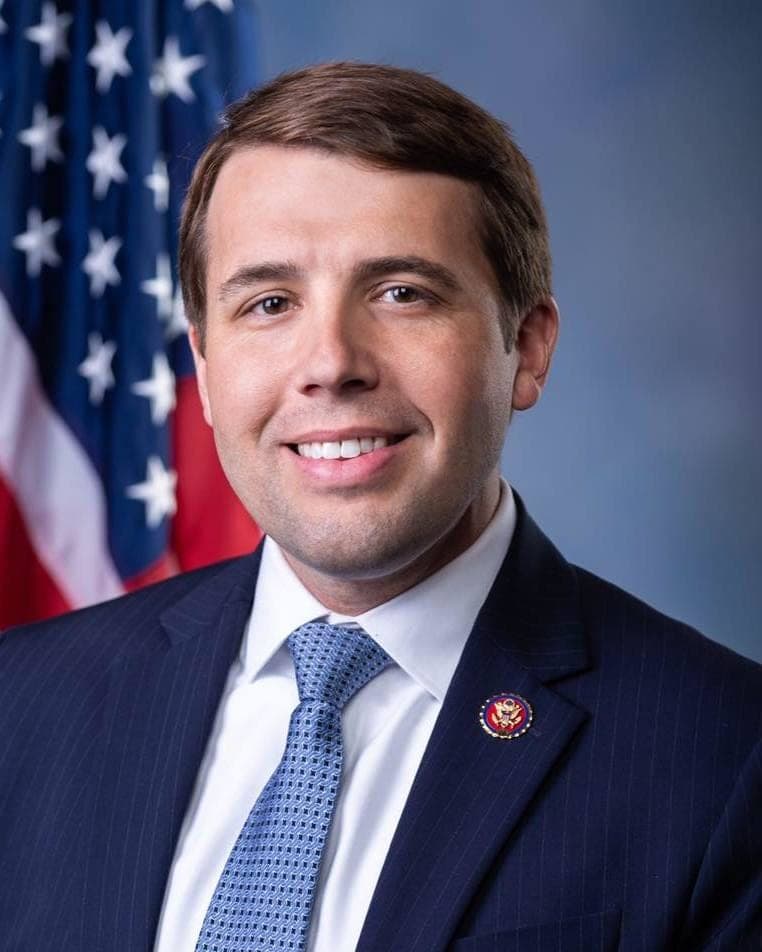
Representative and Democratic Senate nominee in New Hampshire
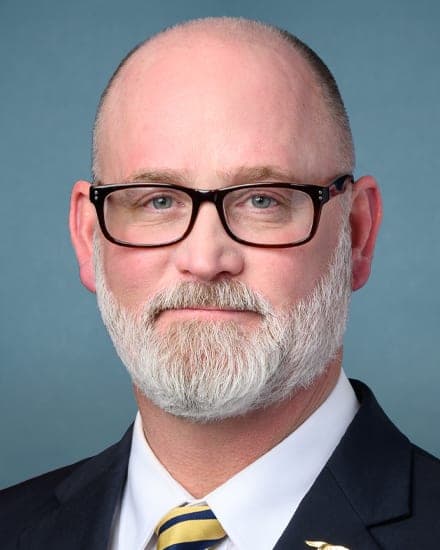
Representative criticized in campaign ads over data-center tax breaks
Discussion · 0
Loading comments…