Sen. Angus King calls U.S. deal with Iran 'one-sided'
King argued that the agreement gives Iran more than it gives the United States.

SOURCE CHECK
TAP FOR WHYWABI is an established local news broadcaster and the story identifies its reporting and authoring desk. The article includes original local interviews, though its brief format and limited sourcing leave little basis to assess broader editorial or corrections practices.
- Source type — Established local news outlet; local-news classification supports a generally credible baseline.
- Author attribution — The story is attributed to the WABI News Desk and identifies its interview with King.
- Transparency — The article credits the Associated Press for a contribution, but gives few details about the reporting process.
- Editorial standards — The short article provides limited evidence for evaluating editorial standards or corrections practices.
The article gives concrete terms of the agreement and attributes reactions to King and Collins. It does not include a response from the administration or explain the agreement’s broader context, leaving the reporting fairly one-sided and thin.
HOW WE SCORE ↗The article includes the agreement’s stated terms and brief reactions from two senators, but both quoted lawmakers raise concerns and no defense or explanation from the administration is included.
- Counterarguments presented — No response from the administration or a supporter of the agreement appears.
- Source diversity — The article presents reactions from two senators, both questioning the agreement, alongside a summary of its terms.
- Loaded language — The critical description is King's quotation, not the article's own characterization.
The article reports the agreement’s terms and presents criticism from King and questions from Collins in attributed language. It does not use clearly partisan framing, though it offers no defense of the agreement.
- Language tone — The article's narration is restrained and attributes the strongest judgment, 'one-sided,' to King.
- Source selection — It quotes two senators expressing concern but includes no administration response or supportive view of the agreement.
- Framing — The headline foregrounds King's criticism, while the article also summarizes terms of the agreement.
Sen. Angus King called the initial U.S.-Iran agreement one-sided, arguing it offers few benefits to the United States. Sen. Susan Collins said the administration should brief the Senate on the memorandum.
The initial agreement to end the war calls for Iran to dilute its highly enriched uranium stockpile, would waive sanctions and allow Iran to sell oil freely, and would open the Strait of Hormuz toll-free for two months. It also affirms a commitment to Lebanon’s territorial integrity amid Israel’s invasion against Hezbollah. President Donald Trump and Iran’s president have signed the deal.
King told WABI that the agreement gives Iran much more than the United States, and argued that Iran had already pledged not to pursue a nuclear weapon and that the Strait had been open before the war. Collins said the memorandum raises questions and that the administration should provide the Senate with a thorough briefing.
Community verdict
28 VOTES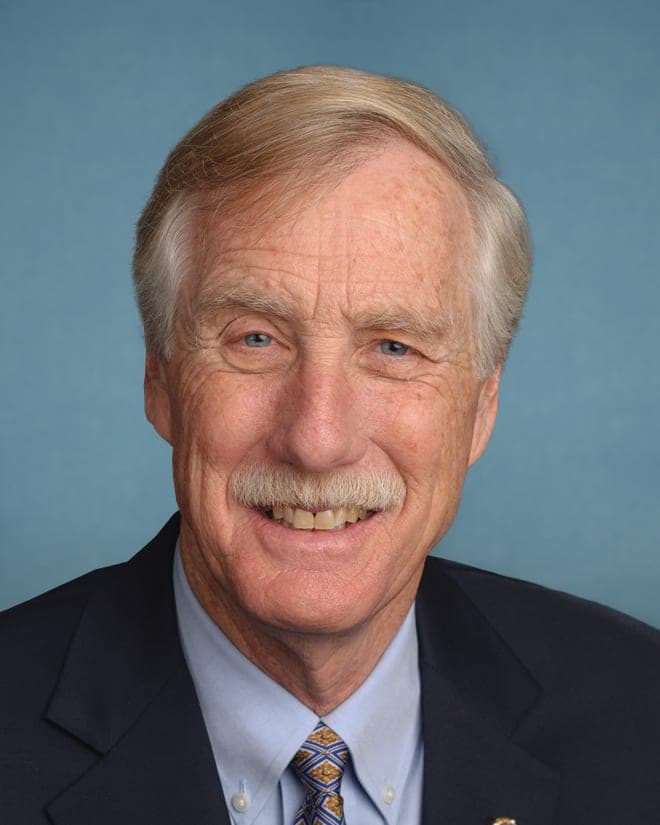
People in this story
SWIPE →
Maine senator calling for an administration briefing on the agreement
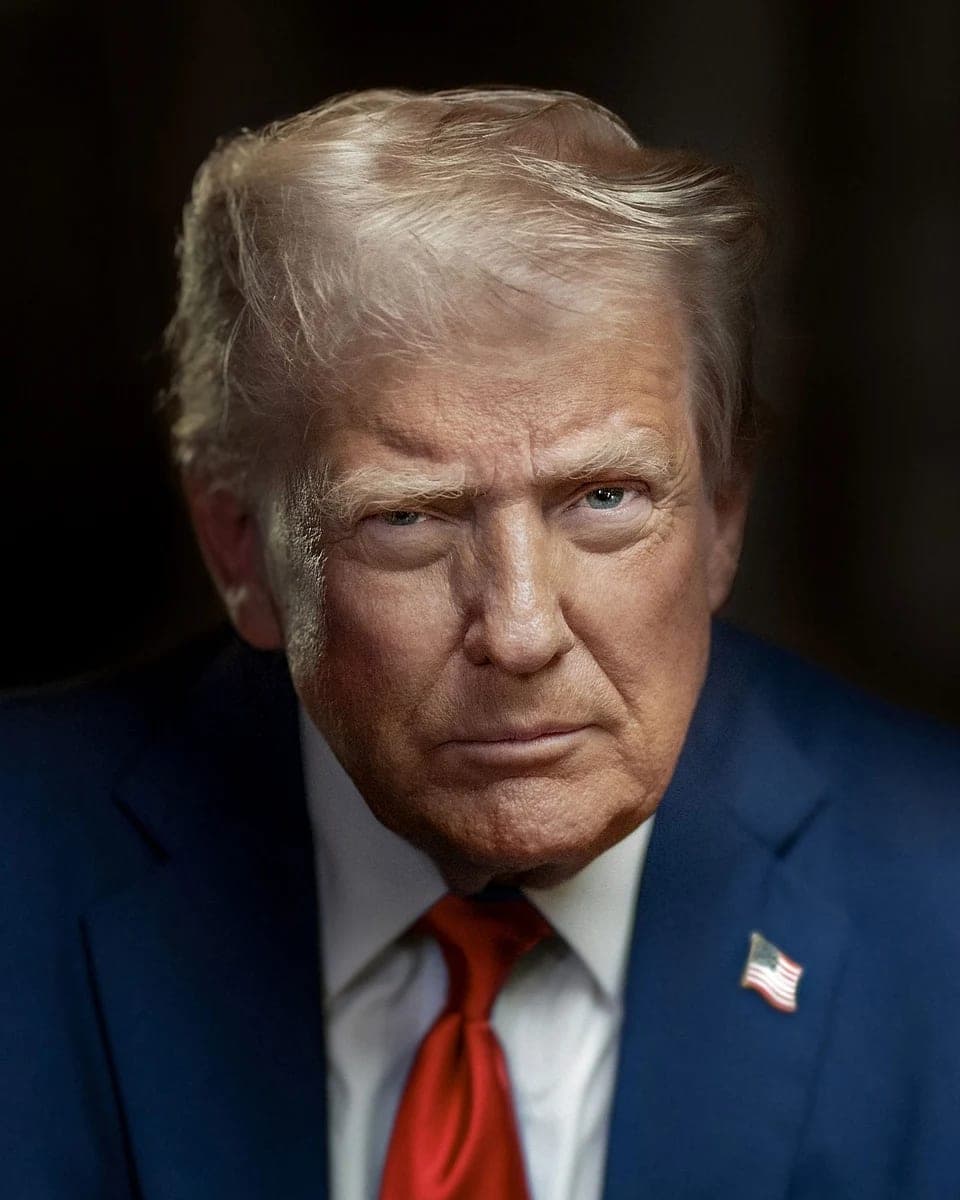
President who signed the agreement
Part of a bigger story
3 OUTLETSAngus King criticized a preliminary U.S.-Iran agreement, arguing it offers too little to the United States or is one-sided. Left-leaning outlets place King's objections alongside reactions from Maine's congressional delegation and questions about the campaign. Center outlets focus on King's argument that the deal's benefits do not justify its costs.
- ARTICLES
- 3
- OUTLETS
- 3
- AVG CRED
- 74
Discussion · 0
Loading comments…