EPA lab closure leaves Houston area more vulnerable to disasters, Fletcher warns
Fletcher warned that the lab’s closure could leave Houston without a clear way to test for pollution during emergencies.

SOURCE CHECK
TAP FOR WHYThe Houston Chronicle is an established regional newspaper with a record of local reporting. The article includes an attributed congressional letter, relevant context and an attempt to obtain the EPA’s response, though the author is not identified here.
- Source type — Established regional news outlet with local reporting.
- Transparency — The story identifies the principal sources and attributes their claims.
- Editorial standards — The reporting includes an attempt to get a response from the EPA and distinguishes unconfirmed speculation from established facts.
- Author attribution — No author is identified in the available article information.
The article presents Fletcher’s letter, includes a response attempt to the EPA, and supplies regional and historical context. It also includes a union leader’s unconfirmed speculation, clearly attributed, while the EPA’s account of its plans is absent.
HOW WE SCORE ↗The article gives Fletcher’s concerns and contextual evidence, and it notes that the EPA did not respond immediately. The agency’s explanation for the transition is not represented, leaving the central policy rationale unclear.
- Counterarguments presented — The EPA’s lack of immediate comment is noted, but its perspective is not available.
- Source diversity — Includes a member of Congress, a union representative and contextual information attributed to the Texas comptroller’s office.
- Omitted context — The reasons for the lab transition and the EPA’s plan for handling samples are not explained.
The article reports concerns about the EPA’s lab transition in mostly neutral, attributed language. Its emphasis is on the potential safety gap, but it does not use strongly partisan framing.
- Language tone — Mostly factual and restrained, with Fletcher’s stronger characterization quoted and attributed.
- Source selection — Includes Fletcher and a union leader, while noting that the EPA did not immediately comment.
- Framing — Centers the possible loss of local testing capacity and emergency preparedness.
Rep. Lizzie Fletcher warned that shutting down an EPA lab in Houston without an interim testing plan could leave the region less prepared to respond to pollution during disasters or accidents. She urged EPA Administrator Lee Zeldin to address the gap.
Fletcher said EPA officials had ordered the Houston lab to stop accepting new samples and that it could be several months before an Oklahoma facility takes over. In a letter to EPA Administrator Lee Zeldin, she said the agency had not explained how new samples would be processed or emergencies managed in the interim. The EPA did not immediately comment on its plans.
The plan to move the lab’s functions to Oklahoma was first made public in 2017 and has been delayed, the article reports. It notes that Texas and Louisiana produce close to 80% of the nation’s petrochemical output and that Hurricane Harvey flooding led to contamination around Houston, including nearly a half billion gallons of industrial wastewater and storm water released from an ExxonMobil plant. An EPA employees’ union leader speculated that samples may be going to other labs or contractors, but said he could not confirm that.
Community verdict
18 VOTES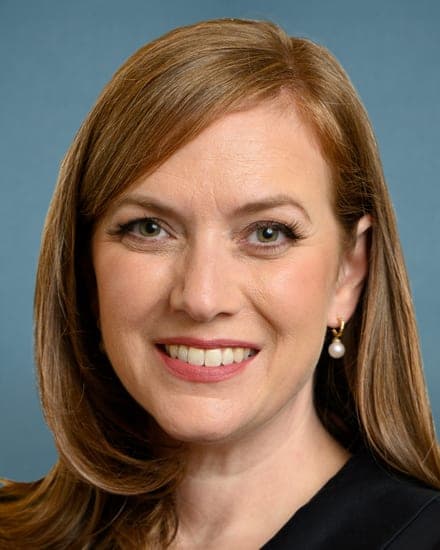
People in this story
SWIPE →Representative who warned EPA about the Houston lab’s closure and wrote to the agency’s administrator.

President referenced in connection with the EPA lab consolidation and administration policy.
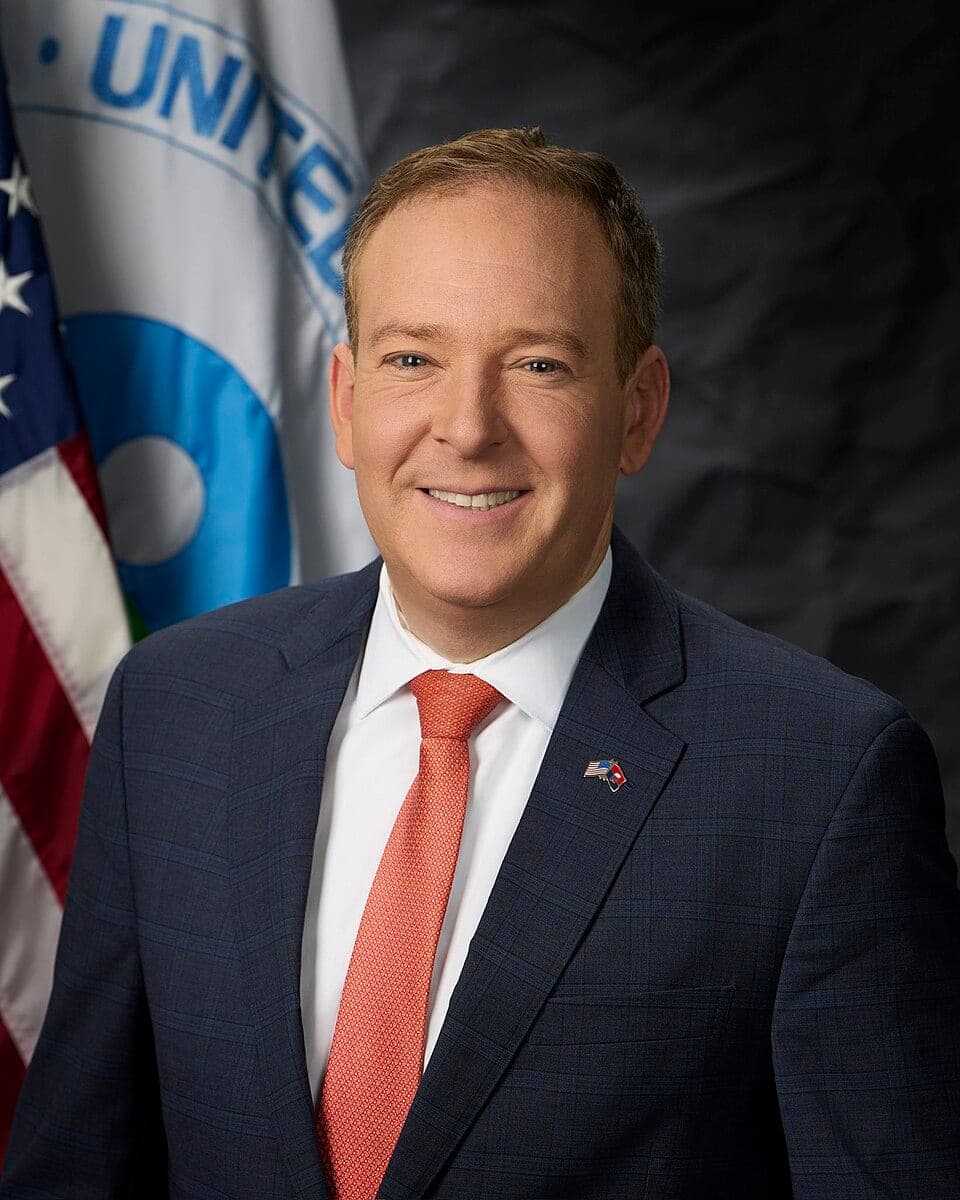
EPA administrator addressed in Fletcher’s letter.
Discussion · 0
Loading comments…