NEW: Trump, Blanche Concede – Cut Deal with Cornyn
Blanche issued documents rescinding the fund’s creation and affirming limits on Trump’s tax-audit immunity deal.
SOURCE CHECK
TAP FOR WHYHotAir is a commentary-oriented blog rather than a major reporting organization, which lowers the institutional credibility score. The article has a named author and attributes some information to documents and the Wall Street Journal, but the publisher’s blog format and overtly partisan material on the page weigh against a higher score.
- Source type — A blog with a commentary-oriented, partisan presentation.
- Transparency — The article identifies some underlying documents and attributes a point to the Wall Street Journal, but provides limited sourcing detail in the text.
- Author attribution — The article names Ed Morrissey as its author.
- Editorial standards — The page includes explicitly partisan promotional material, which weakens confidence in neutral institutional standards.
The article identifies the key documents, explains the Senate committee impasse, and notes an important uncertainty about whether the Justice Department’s commitments are binding. It also offers interpretation and political predictions, with limited presentation of opposing views and little independent sourcing beyond referenced documents and the Wall Street Journal.
HOW WE SCORE ↗The article explains Republican senators’ concerns and reports uncertainty about the legal force of the commitments, but it is primarily commentary and offers little response from the White House or other perspectives. Its conclusions and political forecasts are presented without a substantial counterargument.
- Source diversity — References documents and a Wall Street Journal account but includes few distinct, directly quoted sources.
- Opinion vs reporting — The piece combines reporting with the author’s explicit judgments about the political wisdom of the deal.
- Counterarguments presented — Republican senators’ concerns are described, but opposing views on the concessions receive little attention.
- Loaded language — Some evaluative wording reinforces the author’s interpretation of the negotiation.
The article uses a conservative political frame and argues that the White House’s concessions are a wise move, while portraying Democrats and their agenda negatively in the page’s editorial material. Its account of the negotiation also criticizes the administration’s fund and immunity arrangement, so the story is not simply praise for Trump.
- Framing — Frames the deal as a tactical concession and discusses its value largely through Republican political prospects.
- Language tone — Uses evaluative language such as “retreat,” “feuds,” and “controversies.”
- Headline — The headline presents Trump and Blanche as conceding and emphasizes a deal with Cornyn.
- Omission — Provides little perspective from Democrats or outside critics of the deal.
Todd Blanche rescinded the order creating an anti-weaponization fund and affirmed limits on President Donald Trump’s tax-audit immunity deal as part of an agreement to advance Blanche’s attorney general nomination. Senators John Cornyn and Thom Tillis had held up the nomination until the Justice Department made those commitments.
The article reports that Todd Blanche issued documents rescinding the order that created a $1.8 billion anti-weaponization fund and affirming his confirmation-hearing testimony on limits to Trump’s tax-audit immunity deal. Cornyn and Tillis had blocked Blanche’s path through the Senate Judiciary Committee until the Justice Department agreed to narrow the immunity deal and scrap the fund. The article says Blanche’s nomination could advance from the committee this week, while noting that it was unclear whether the Justice Department’s new commitments were legally binding.
The article says Trump had threatened to seek legislation to compensate his allies if Cornyn and Tillis did not support Blanche, and that withdrawing the fund would require Trump’s agreement. It argues that the concessions could ease concerns among other Republican senators, while noting that some senators objected to the fund’s creation through a lawsuit settlement rather than the congressional budget process.
Community verdict
3 VOTES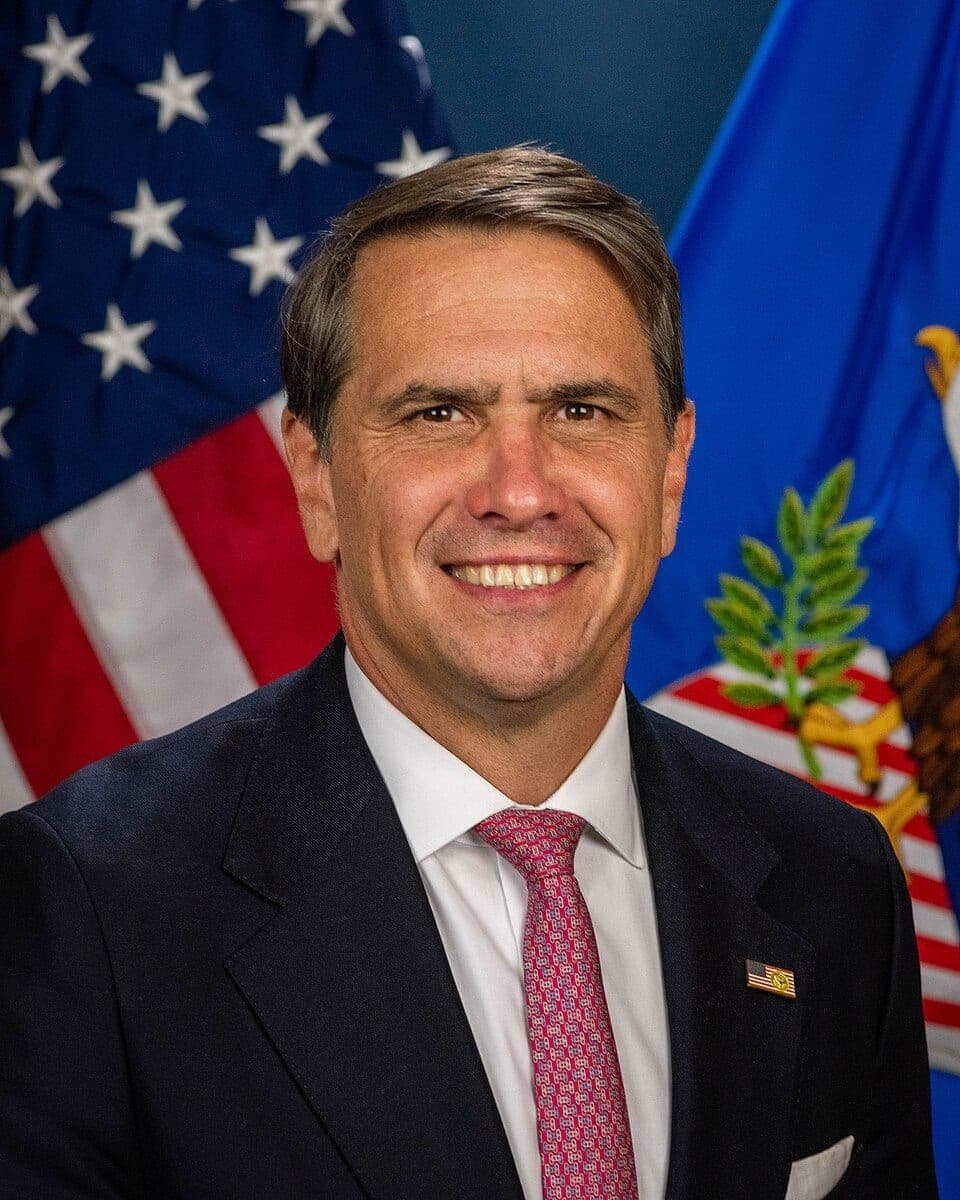
People in this story
SWIPE →President’s nominee for Attorney General who issued the Justice Department commitments
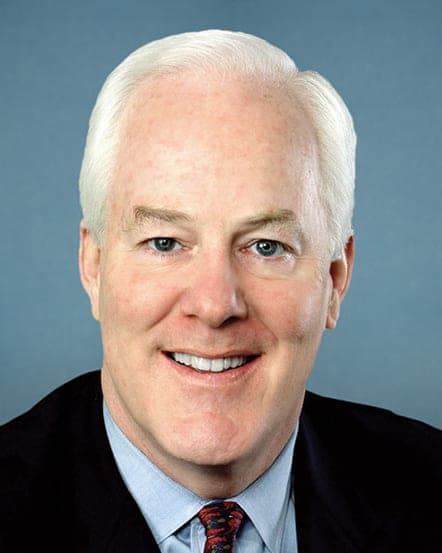
Senator who blocked Blanche’s nomination pending Justice Department concessions
Cornyn's version of this story ↗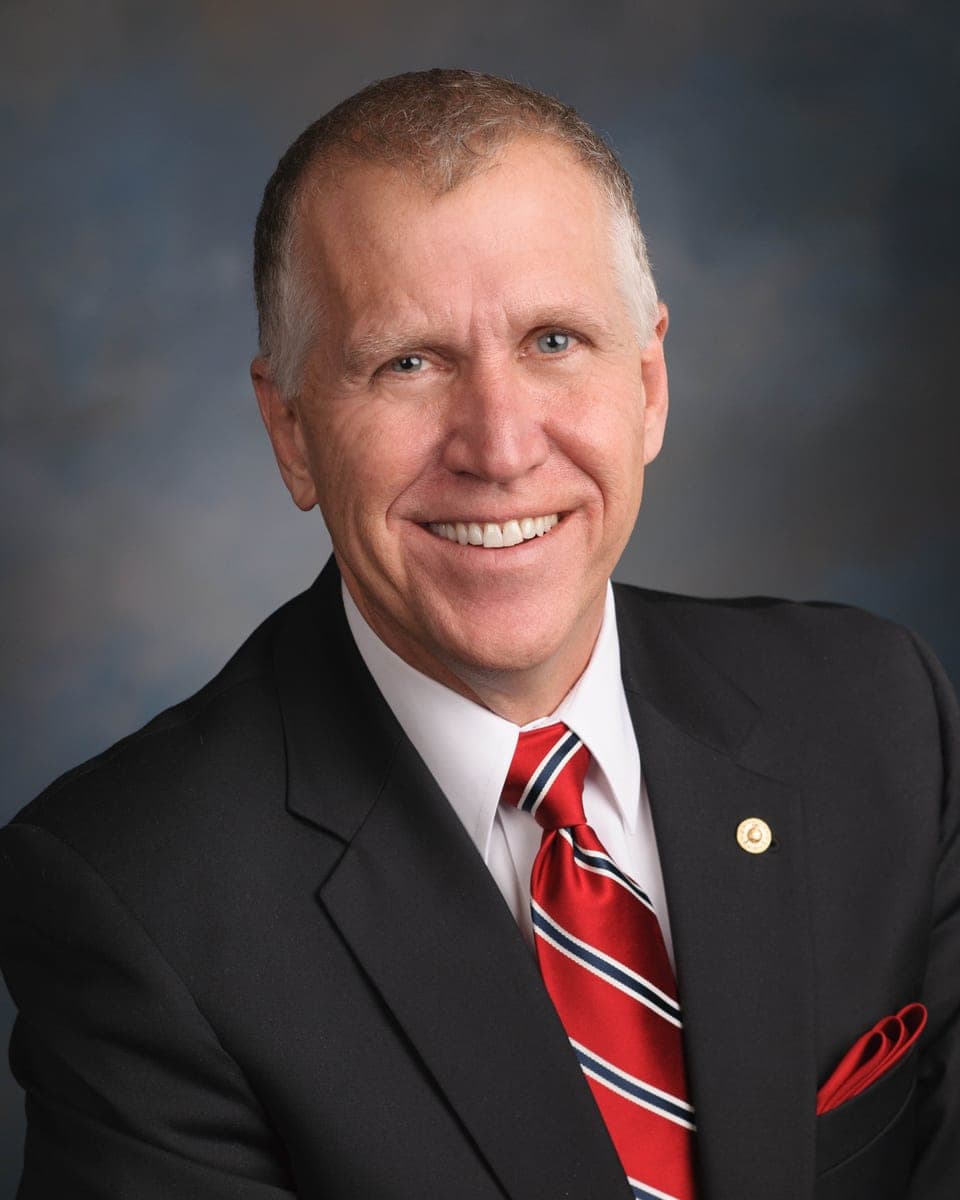
Senator who blocked Blanche’s nomination pending Justice Department concessions
Tillis's version of this story ↗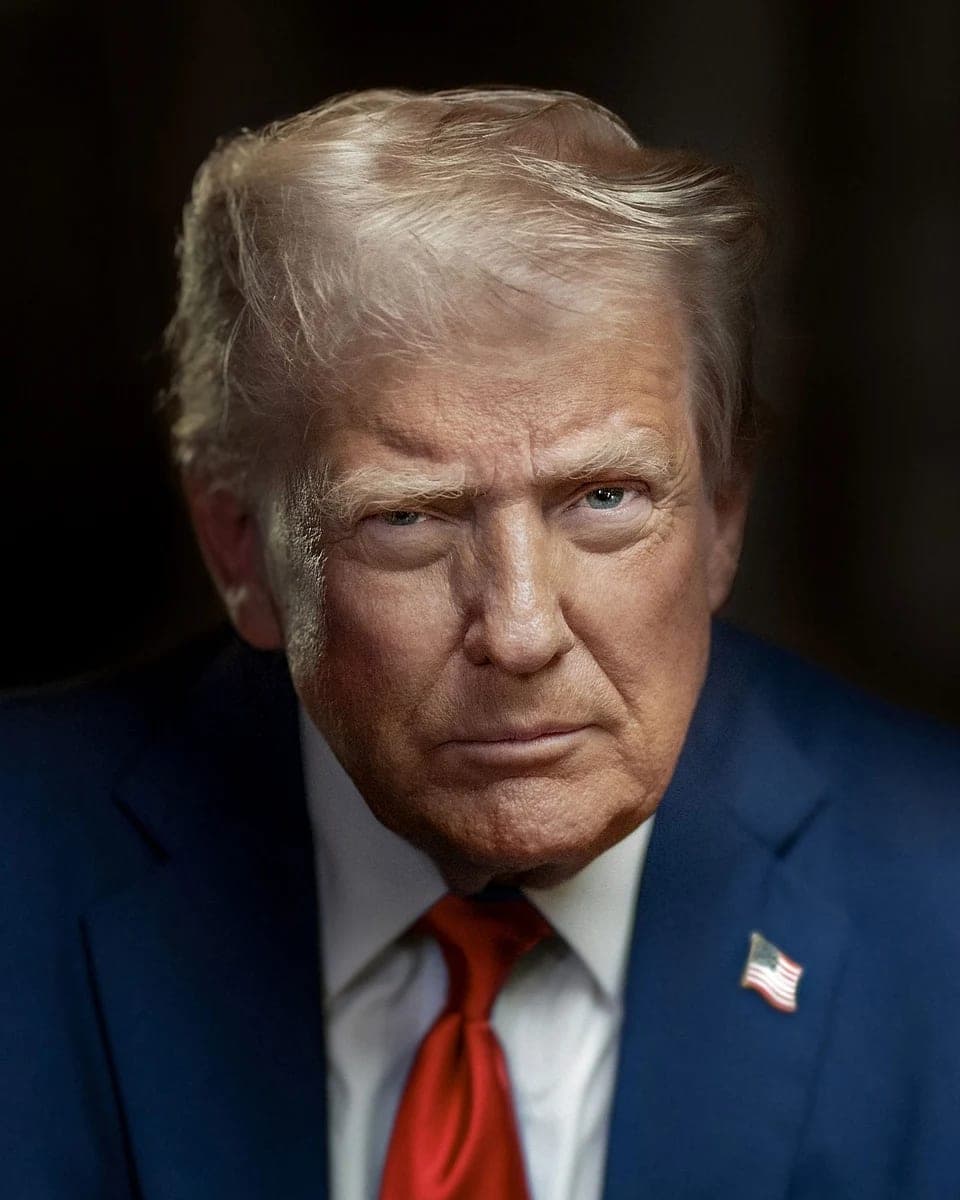
President whose administration negotiated the concessions and whose agreement was needed to withdraw the fund
Trump's version of this story ↗
Outgoing Attorney General whom Blanche would succeed
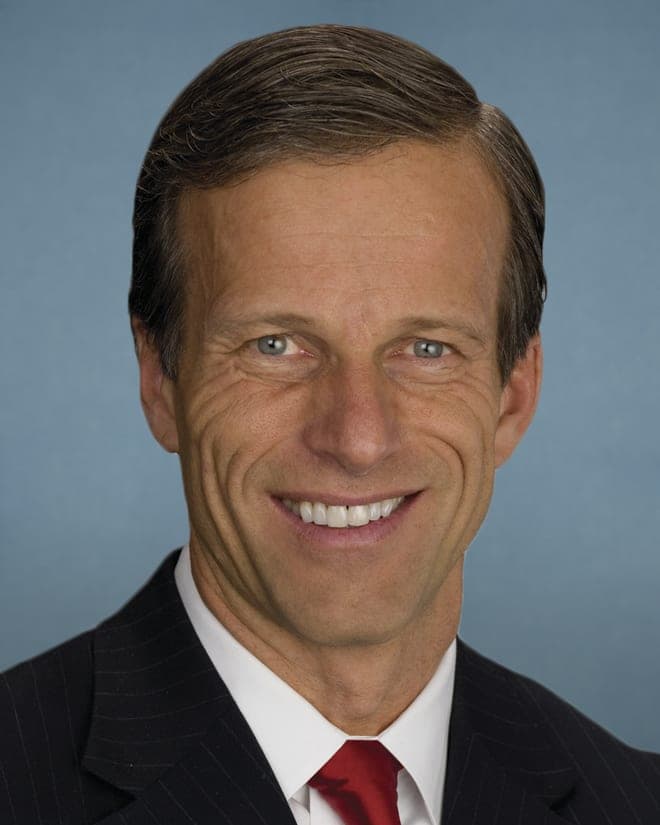
Senate Majority Leader discussed as a possible route for advancing the nomination
Part of a bigger story
22 OUTLETSOutlets agree Todd Blanche issued a Justice Department order rescinding the proposed anti-weaponization fund, addressing senators’ concerns as they weighed his attorney general nomination. Senators then said they would support advancing his nomination. Left-leaning outlets question whether the order meaningfully limits protections for Trump and criticize senators who backed Blanche, while others report the deal and nomination path. Center outlets mostly report the order and confirmation process, while some question whether the changes leave loopholes. Right-leaning outlets emphasize the deal as a negotiated step that addresses senators’ concerns and advances Blanche’s nomination.
- ARTICLES
- 26
- OUTLETS
- 22
- AVG CRED
- 75
Discussion · 0
Loading comments…