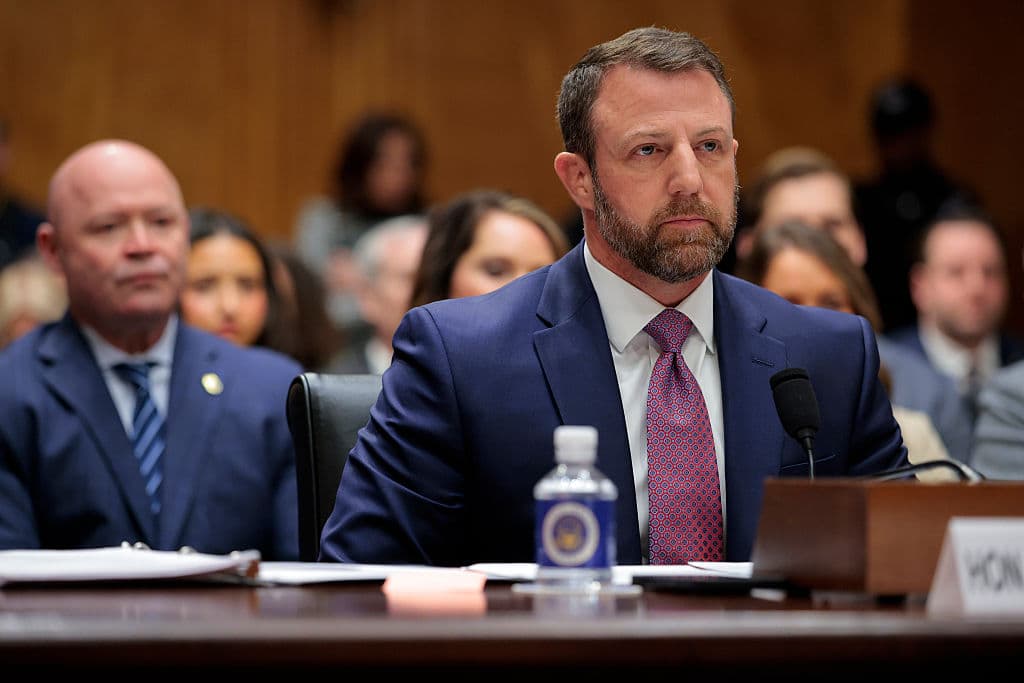
Senate Panel Moves Sen. Markwayne Mullin DHS Nomination Ahead
Mullin’s nomination advanced after a committee hearing that included a contentious exchange with Rand Paul.
SOURCE CHECK
TAP FOR WHYHip-Hop Wired is an established niche publication, but this brief article offers limited sourcing and context for a consequential confirmation proceeding. The named byline adds transparency, while the text does not show much original documentation beyond the vote and a quoted statement.
- Source type — A niche news outlet rather than a major general-interest newsroom.
- Editorial standards — The article supplies a vote tally and a direct quotation, but little supporting detail.
- Author attribution — A named author is credited.
- Transparency — No additional sourcing or documents are identified in the article.
The article gives the committee tally, identifies the key votes, and quotes Fetterman’s explanation. It provides little detail about the nomination’s policy stakes or the competing arguments, and its descriptions of the hearing are not substantiated with examples.
HOW WE SCORE ↗The article gives the vote tally and notes both Fetterman’s support and Paul’s opposition, but offers limited explanation of either side’s reasoning or the nomination’s merits.
- Counterarguments presented — The article reports votes for and against advancing the nomination but does not explain the opposing arguments in depth.
- Source diversity — Fetterman is quoted; Mullin and Paul are not given their own explanations in the text.
- Loaded language — “Bizarre” and “softball” characterize the hearing without detailed supporting examples.
- Omitted context — The article gives little context about the nominee’s qualifications or the stakes of the confirmation.
The article reports the committee vote and competing actions without a clear partisan alignment, though it uses mildly loaded descriptions of the hearing.
- Language tone — Terms such as “bizarre” and “softball” add evaluative color but do not establish a clear ideological lean.
- Framing — The report describes the hearing, vote, and responses from both sides of the committee dispute.
- Source selection — It quotes Fetterman’s explanation but includes little argument from Mullin or Paul.
The Senate Homeland Security Committee voted 8-7 to advance Markwayne Mullin’s nomination to lead the Department of Homeland Security. John Fetterman voted yes, while committee chair Rand Paul voted no after a contentious exchange with Mullin.
The Senate Homeland Security Committee held a hearing on Mullin’s nomination on March 18 and voted 8-7 the following day to advance it. The article describes the hearing as contentious, particularly an exchange between Mullin and committee chair Rand Paul, and says some Republicans asked expected, “softball” questions while Democrats pressed Mullin more strongly.
Fetterman was among the eight senators who voted to advance the nomination; Paul voted no. Responding to criticism of his vote, Fetterman said he had called for the president to fire Noem in January and argued that DHS needed a leader and should reopen.
Community verdict
18 VOTES
People in this story
SWIPE →Senator and nominee to lead the Department of Homeland Security
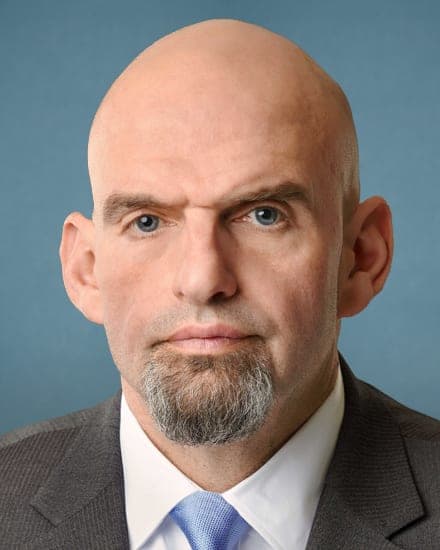
Senator who voted to advance Mullin’s nomination

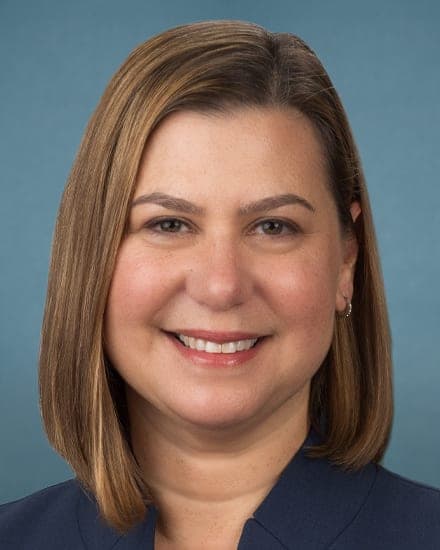
Official referenced in Fetterman’s explanation of his vote

Senate Homeland Security Committee chair who opposed advancing Mullin’s nomination
Part of a bigger story
22 OUTLETSA Senate committee advanced Markwayne Mullin’s nomination to lead the Department of Homeland Security by an 8-7 vote, sending it to the full Senate. John Fetterman supported the nomination, while Rand Paul opposed it. Center outlets emphasize the committee vote and next procedural step, alongside questions raised at the hearing about Mullin’s qualifications and record. Right-leaning outlets emphasize Fetterman’s support as pivotal to advancing the nomination despite Paul’s opposition.
- ARTICLES
- 25
- OUTLETS
- 22
- AVG CRED
- 68

Discussion · 0
Loading comments…