Trump-backed bipartisan bill creates tax incentives to bring film production back to the U.S.
Scott introduced the Senate companion and said it could help retain film-production jobs and support local economies.

SOURCE CHECK
TAP FOR WHYCredibility rates Heartlander News, where this article appeared. The other scores rate the article itself.
The page identifies The Center Square as the reporting outlet, but the publisher is Heartlander News and its own editorial standards and corrections record are not established here. The attributed reporting and named author offer some transparency, while the apparent republication limits confidence in the page’s independent reporting.
- Source type — The publisher's source type is recorded as unknown, so its institutional standards are difficult to assess.
- Transparency — The article credits The Center Square and names an author, providing some attribution.
- Track record — The page provides no information establishing Heartlander News's reporting or corrections record.
- Editorial standards — No editorial or corrections policies are evident in the article text.
The article uses named lawmakers and attributes their claims, and it provides specific employment and wage figures from the proposed legislation. It relies mainly on bill supporters and a press release, with no opposing perspective or independent assessment of the proposal.
HOW WE SCORE ↗The article gives several bill supporters space to describe the proposal and cites figures from the sponsors' materials, but includes no skeptical voice, independent analysis, or discussion of potential drawbacks.
- Source diversity — Sources are bill sponsors and their press release; no critics or independent experts are included.
- Counterarguments presented — No counterarguments or concerns about the tax incentives are presented.
- Opinion vs reporting — The piece is reported as news and attributes proponents' claims rather than asserting them as established outcomes.
The article presents the proposal and its supporters' claims in straightforward reporting language, without an evident partisan frame. The lack of opposing perspectives affects balance more than political lean.
- Language tone — Mostly descriptive language, with advocacy claims attributed to lawmakers.
- Framing — Frames the measure around its stated goal of bringing production and jobs to the United States.
- Source selection — Quotes sponsors and cites their press release, but does not present a partisan argument.
Original publisher not identified
This article credits another publisher, which ChamberLight has not identified, so the scores are Heartlander News's own.
Bipartisan lawmakers introduced companion bills to offer federal tax incentives for film and television production in the United States. The sponsors say the proposal would bring production and jobs back to U.S. communities.
Rep. Nathaniel Moran introduced the House bill, while Sens. Tim Scott and Adam Schiff introduced its Senate companion. Moran said the proposal would create a federal tax credit and provide additional incentives for productions in rural communities and areas recovering from federally declared disasters. Scott and Schiff also said the measure could support jobs and local economies.
The article cites figures from Scott’s proposed legislation showing that film and television production supported nearly 2.74 million jobs and generated $242 billion in wages in 2022, compared with 2.01 million jobs and $202 billion in wages by 2024. Sens. John Cornyn and Raphael Warnock joined the Senate introduction; neither provided comment by publication time.
Community verdict
23 VOTES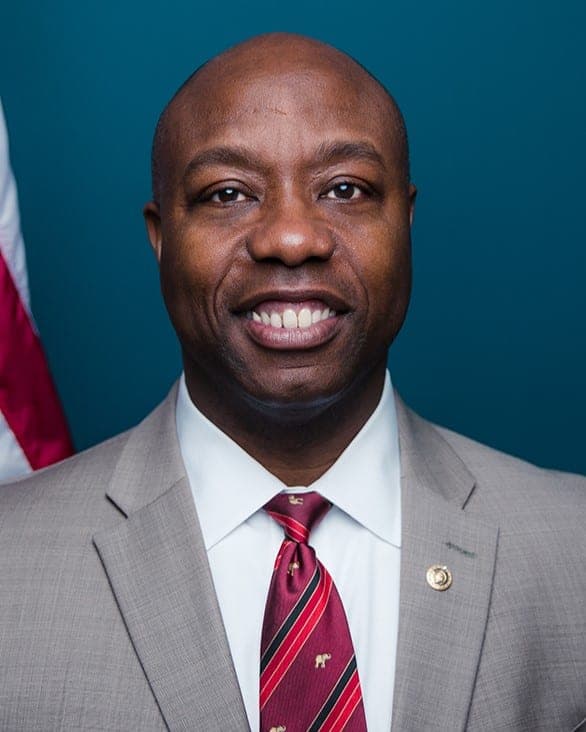
People in this story
SWIPE →Senate sponsor of the film and television production tax-incentive bill
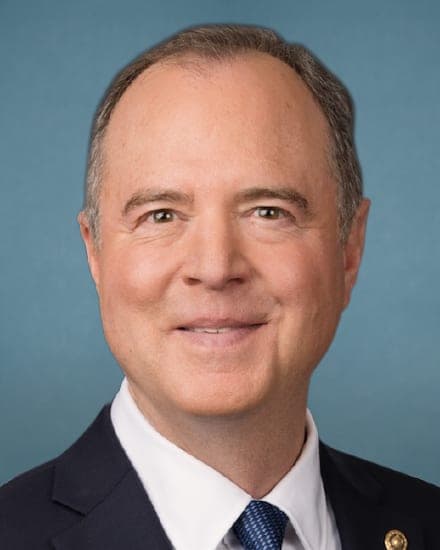
Senate co-sponsor of the film and television production tax-incentive bill
Schiff's version of this story ↗
House sponsor of the film and television production tax-incentive bill
Moran's version of this story ↗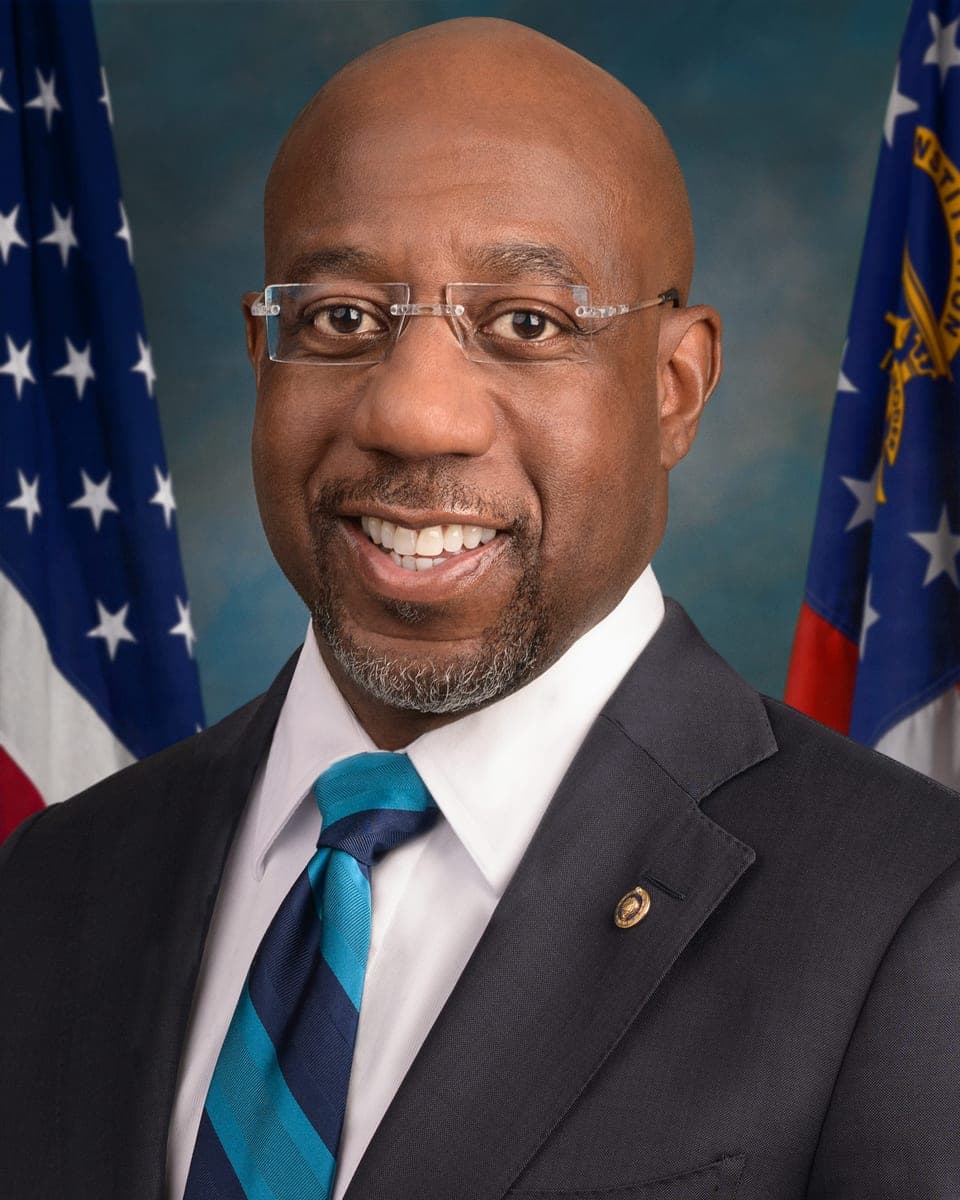
Senate co-sponsor of the bill
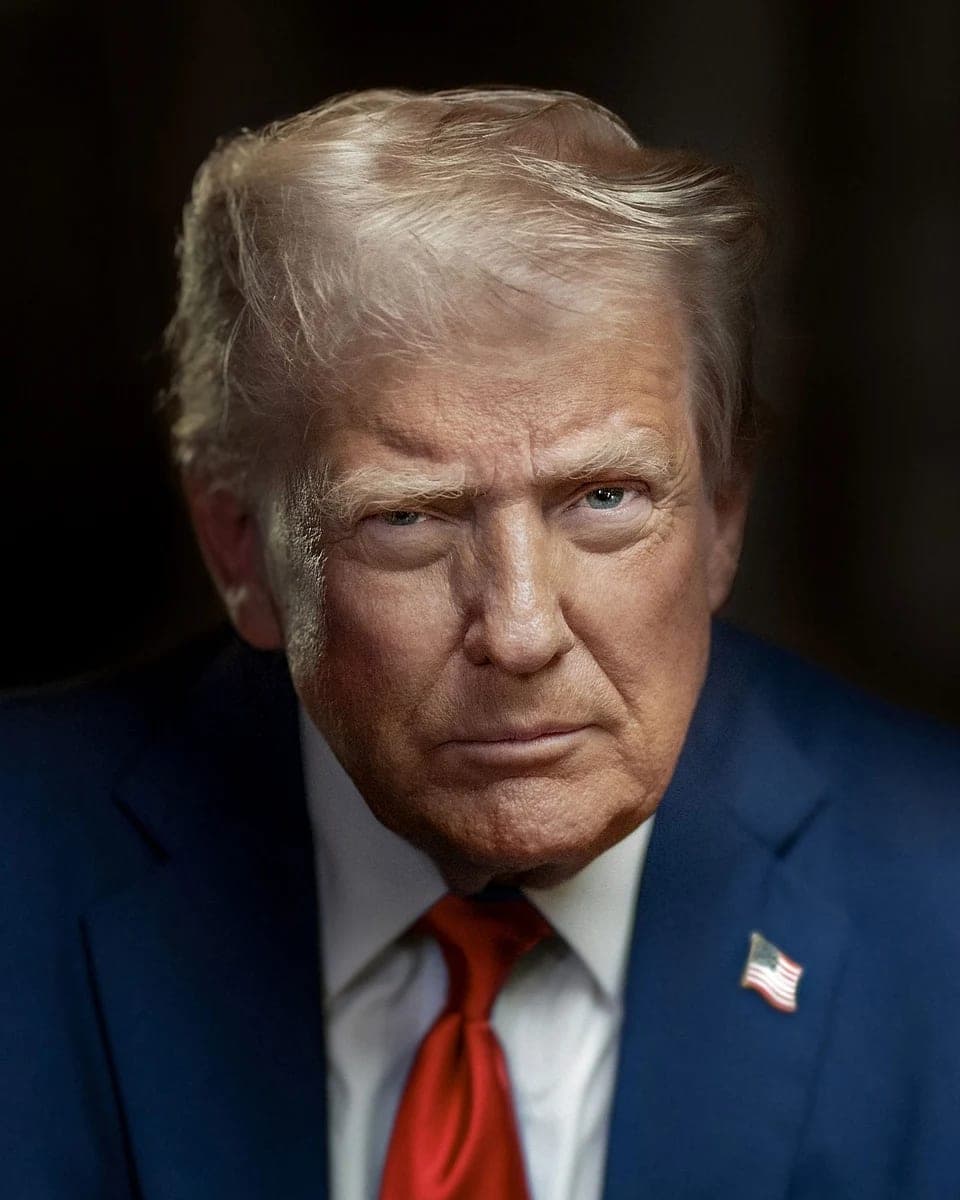
President who publicly called for legislation to support the U.S. movie and television industry
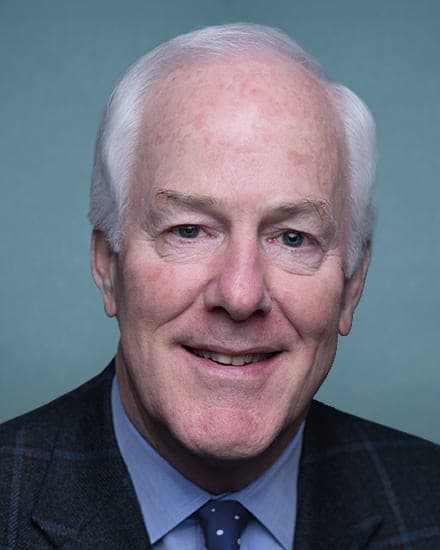
Senate co-sponsor of the bill
Discussion · 0
Loading comments…