Bill Would Curb Sale of New Yorkers' Smart Meter Data
Riley introduced the bill and described restrictions on utilities’ use and sale of customer data.
SOURCE CHECK
TAP FOR WHYCredibility rates GovTech, where this article appeared. The other scores rate the article itself.
GovTech is a niche civic-technology publisher, while this page identifies the Niagara Gazette as the originating outlet and Tribune Content Agency as distributor. The article provides attribution but relies heavily on a lawmaker’s news release.
- Source type — A niche publication covering government technology; credibility is consistent with an established trade outlet.
- Transparency — The page identifies the Niagara Gazette and Tribune Content Agency as the source and distributor.
- Author attribution — The article is attributed to the Niagara Gazette rather than a named individual reporter.
- Editorial standards — The short item attributes claims to a lawmaker’s release, limiting evidence of independent reporting in this article.
The article names the bill’s provisions and attributes claims and quotations to Riley’s office and the two representatives. It offers little independent verification or context, and no utility or other outside perspective is included.
HOW WE SCORE ↗The article explains the sponsors’ case and summarizes the proposed restrictions, but includes no response from utilities, privacy experts, or other affected parties.
- Counterarguments presented — No opposing or qualifying arguments are presented.
- Source diversity — The reporting relies on the sponsors and a news release from Riley’s office.
- Opinion vs reporting — The article is presented as news and attributes advocacy claims to their sources.
- Omitted context — It does not include utility perspectives or independent context on data practices.
The article uses largely factual language and presents the bill’s provisions without an overt partisan frame. Its sourcing centers on the sponsors and their news release, but that sourcing alone does not establish a discernible ideological lean.
- Language tone — Mostly neutral descriptions and attributed quotations.
- Source selection — The article relies on the bill’s sponsors and Riley’s office, with no outside sources.
- Framing — Frames the measure around privacy protections and the sponsors’ claims, without explicit partisan language.
Original publisher not identified
This article credits another publisher, which ChamberLight has not identified, so the scores are GovTech's own.
Reps. Josh Riley and Mike Kennedy introduced bipartisan legislation to restrict utilities’ use and sale of smart-meter data. The bill would require customer consent for sharing and provide monthly data-use reports and bill credits for improper profits.
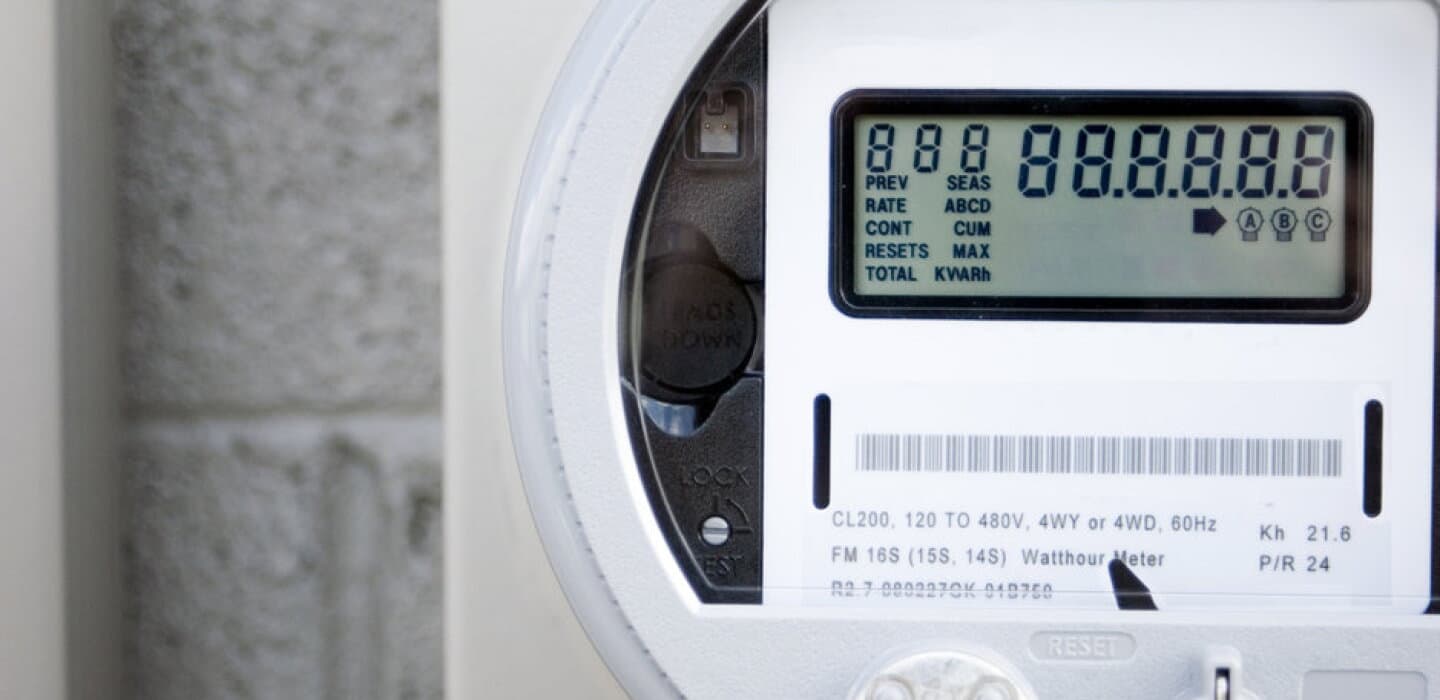
Riley and Kennedy introduced the Smart Meter Data Privacy Protection Act, according to a news release from Riley’s office. The measure would limit utilities’ use of energy data to core functions and prohibit selling or sharing customer data without consent. The release says smart meters can reveal household routines and cites a monthly opt-out fee for customers who keep analog meters.
Riley said utilities were selling data collected by smart meters. The bill would also require monthly reports detailing data collection and use, and bill credits to customers if a utility improperly profits from their data. Kennedy said the measure would protect personal privacy.
Community verdict
9 VOTES
People in this story
SWIPE →
Co-introducer of the bill
Discussion · 0
Loading comments…