AI Super PAC's First Major Target Loses New York Congressional Primary
Bores lost the primary after becoming a major target of spending by groups opposed to stricter AI regulation.
SOURCE CHECK
TAP FOR WHYGizmodo is an established national publication, and the article identifies its author and attributes candidates’ statements. The article gives specific spending figures and presents competing arguments, though it provides limited direct sourcing for some broader claims.
- Source type — An established national news outlet, which supports a moderately strong institutional baseline.
- Editorial standards — The reporting includes specific spending figures and attributes candidate statements, but some claims are not tied to named sources.
- Author attribution — The article names its author.
- Transparency — The article identifies major groups and backers involved in the spending.
The article gives concrete spending figures, describes the candidates’ positions and includes statements from both candidates alongside the competing arguments over AI regulation. Its account relies heavily on assertions and candidate remarks, with few direct sources for the broader descriptions of public sentiment and industry debate.
HOW WE SCORE ↗The article describes both support for stricter AI rules and the argument that regulation could harm innovation and competition. The opposing side is characterized rather than represented through a direct statement from a critic or the PAC that opposed Bores.
- Counterarguments presented — The article explains that critics view strict regulation as a threat to innovation and U.S. competition with China.
- Source diversity — Both candidates are quoted, but no representative of the opposing super PAC or a regulation critic is directly quoted.
- Loaded language — Some descriptions of the AI industry and its political influence are strongly framed.
- Opinion vs reporting — The piece reports election results and spending while also using interpretive language about the race’s meaning.
The article gives more emphasis to the case for stricter AI regulation and uses critical language about the AI industry and its spending. It does include the opposing argument that regulation could impede innovation and U.S. competition.
- Language tone — Phrases such as “AI oligarchs” and “got what they paid for” frame industry spending critically.
- Framing — The race is presented primarily as a test of the AI lobby’s influence and the push for tougher regulation.
- Source selection — Both sides’ general arguments are described, but the candidates’ post-result statements receive the most direct quotation.
Micah Lasher defeated Alex Bores in the Democratic primary for New York’s 12th Congressional District after outside groups spent more than $40 million in the race. Bores’s support for stricter AI regulation and the spending against him made the contest a prominent test of the AI industry’s political influence.
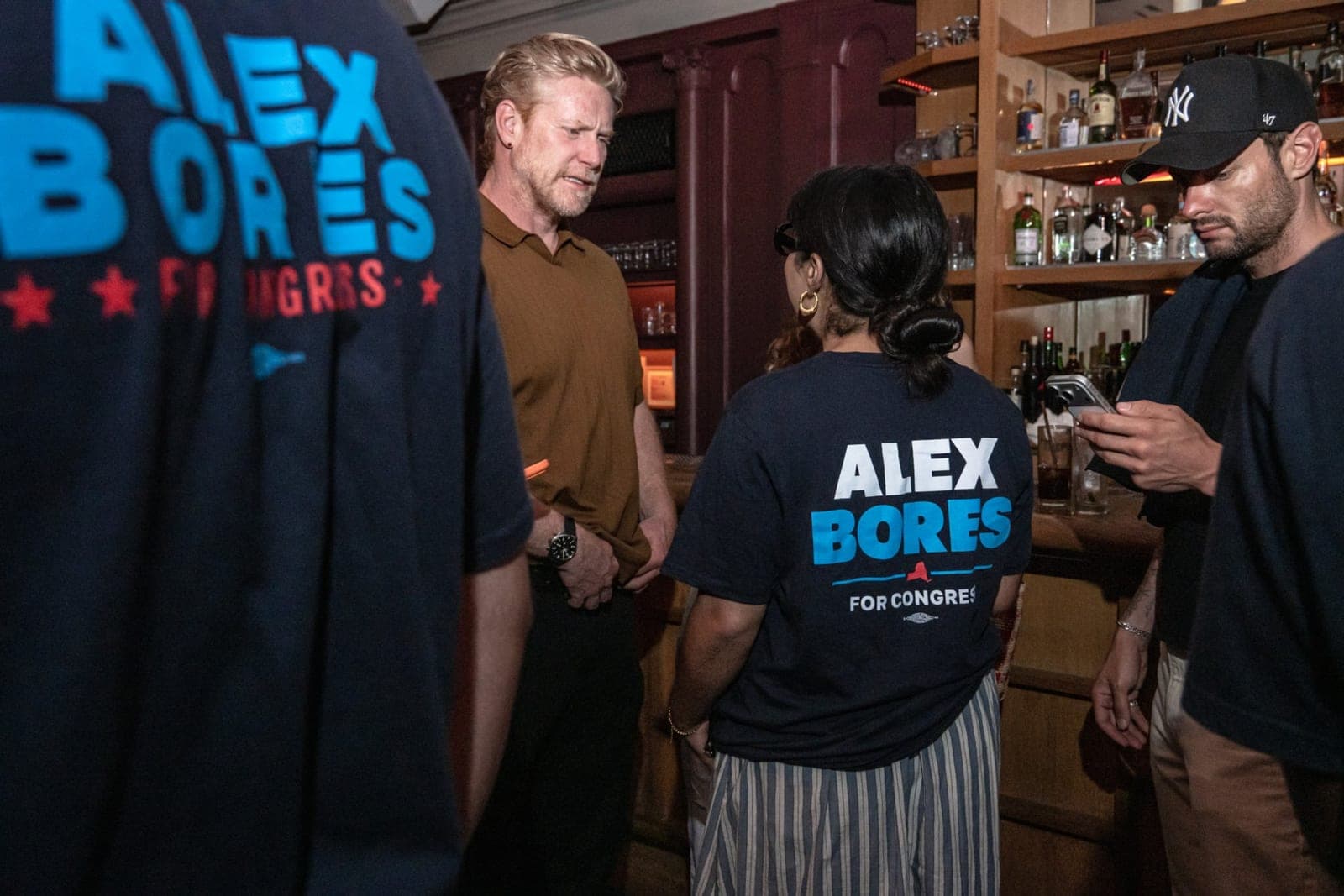
Outside groups spent more than $40 million in the race to replace retiring Rep. Jerry Nadler, with much of the spending directed against Alex Bores. Leading the Future spent $8 million opposing Bores, while groups supporting him spent roughly $20 million. Bores lost the primary to Micah Lasher, who had also co-sponsored Bores’s New York State RAISE Act, a bill requiring leading AI companies to establish and follow safety protocols.
The article describes the contest as a test of competing views on federal AI regulation. Supporters of stricter rules argued the industry was understating AI risks; critics said regulation could hamper innovation and U.S. competition with China. After the result, Bores said the spending had not deterred voters from pushing back, while Lasher said he would not take direction from major AI companies on protecting children, jobs and the environment.
Community verdict
VOTING CLOSEDNo good or bad look here
This story reports what happened without casting Bores in a good or bad light, so readers don’t rate it and it doesn’t count toward Bores’s record.
People in this story
SWIPE →New York state assemblymember and Democratic House candidate who lost the primary

New York state assemblymember and Democratic House candidate who won the primary
Lasher's version of this story ↗Part of a bigger story
7 OUTLETSAlexander Bores lost the New York 12th District Democratic primary to Micah Lasher, and AI regulation was a prominent issue in the race. Left-leaning outlets frame Bores’s defeat as a setback for AI-industry opponents of regulation, arguing that Lasher’s support for stricter rules undercuts claims that industry opposition can deter Democrats. Center outlets present the result mainly as a crowded, costly primary where AI regulation and industry interests featured prominently, with some coverage also highlighting Jack Schlossberg’s family background.
- ARTICLES
- 7
- OUTLETS
- 7
- AVG CRED
- 81
Discussion · 0
Loading comments…