Neighborhood backlash collides with America's tech arms race — but is this the plan to fix it?
Subramanyam argues that federal standards and community cost protections can help sustain data center development.

SOURCE CHECK
TAP FOR WHYFox News is an established national news organization with a substantial reporting operation, though its broader editorial identity is politically polarized. The article includes named interviews and some attributed countervailing evidence, but the author is not identified here.
- Source type — Established national news outlet with a large reporting operation.
- Editorial standards — The outlet has formal editorial processes, though its overall brand is strongly associated with partisan commentary.
- Author attribution — The page metadata does not identify an author.
- Source diversity — The article uses named interviews and attributes county and industry claims.
The article reports a specific policy proposal and includes attributed comments from Subramanyam and Spanberger, county figures, and an industry-cited analysis that challenges one concern. Its discussion is weighted toward the proposal's advocate, and the trade group was contacted but did not provide a comment in the story.
HOW WE SCORE ↗The story includes arguments for the plan and countervailing information about data center benefits and residential electricity costs. However, the proposal's chief advocate receives most of the attention, and the industry group does not directly respond in the article.
- Counterarguments presented — County tax figures and an industry-cited analysis provide counterpoints to claims about local costs.
- Source diversity — Sources include a federal lawmaker, a governor, a county and an industry group's cited analysis.
- Omitted context — The trade group was contacted, but its direct response is not included.
- Loaded language — The article's central framing is mildly vivid but its reporting language is largely attributed.
The article uses mostly neutral language and presents Subramanyam's case alongside county and industry perspectives. Its emphasis on both local backlash and national technology competition does not establish a discernible partisan lean.
- Language tone — The article attributes claims and uses limited evaluative language in its own narration.
- Source selection — It includes a lawmaker advocating the plan, a governor's framework, county data and an industry-cited analysis.
- Framing — It frames the issue as a tension between local impacts and national technology development.
Rep. Suhas Subramanyam is proposing a federal plan for data center development, arguing that community concerns over costs and local impacts could hinder infrastructure expansion. The proposal would address siting, power costs, resource measurement and security.
Subramanyam says communities feel “steamrolled” by the data center industry and argues that federal involvement could help secure local buy-in while supporting expansion. His Fair Share Act would encourage states to require large power users to cover more of the infrastructure costs needed to serve them; other parts of his plan would set federal standards for siting and measurement and address security threats.
The article describes competing views on the impacts of data centers. Loudoun County says data center revenue helped lower its property tax rate, while Subramanyam points to possible costs for residents, including utility bills and water and air-quality concerns. The Data Center Coalition has cited an analysis finding no historical evidence that data centers increased residential electricity costs under existing rate structures. Virginia Gov. Abigail Spanberger has also announced a framework focused on local control, infrastructure costs and resource standards.
Community verdict
18 VOTES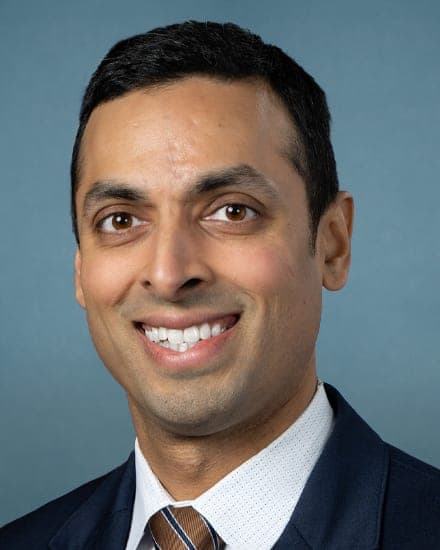
People in this story
SWIPE →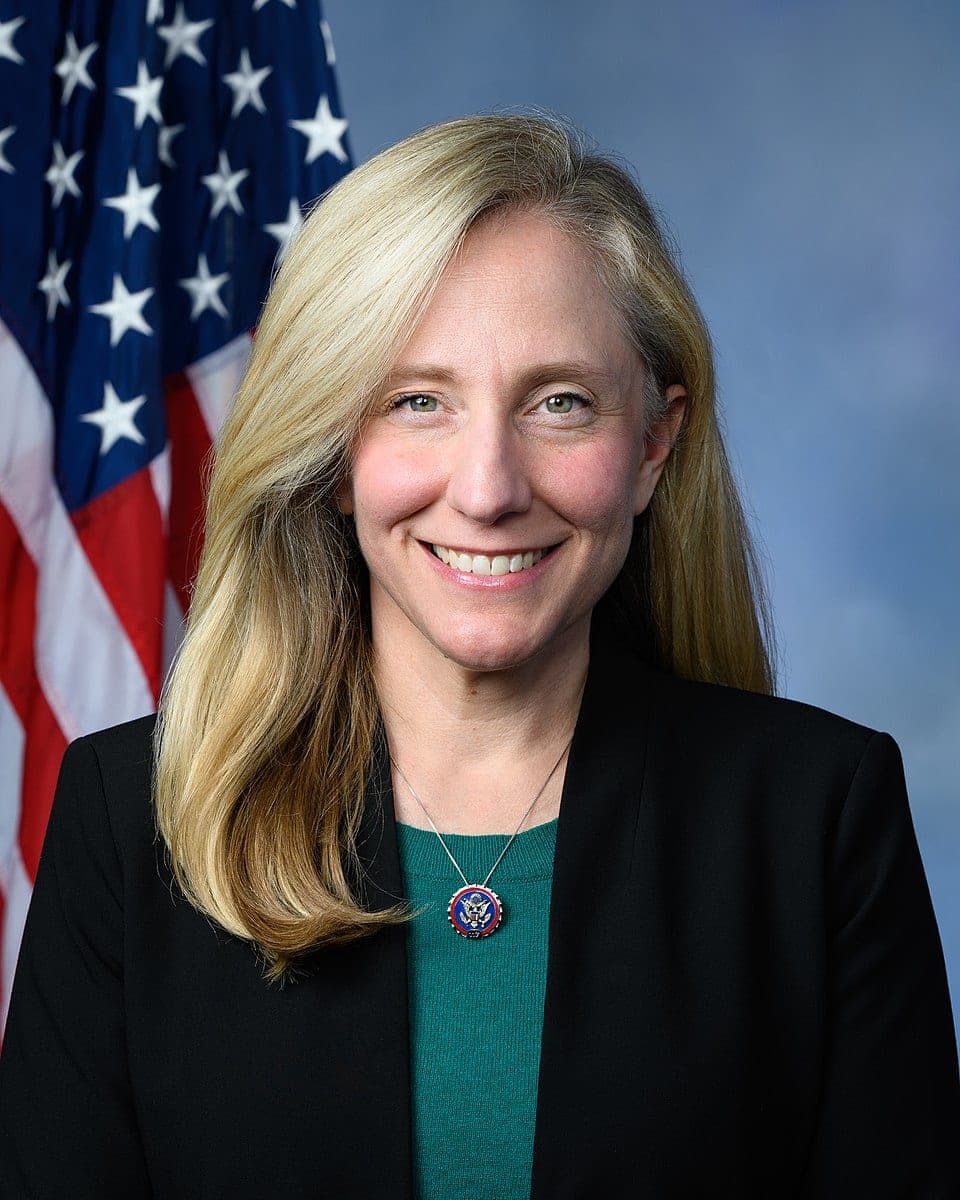
Governor of Virginia who announced a data center framework
Discussion · 0
Loading comments…