Led by Rep Hamadeh, Kayleigh's Law passes House to protect sex crime survivors
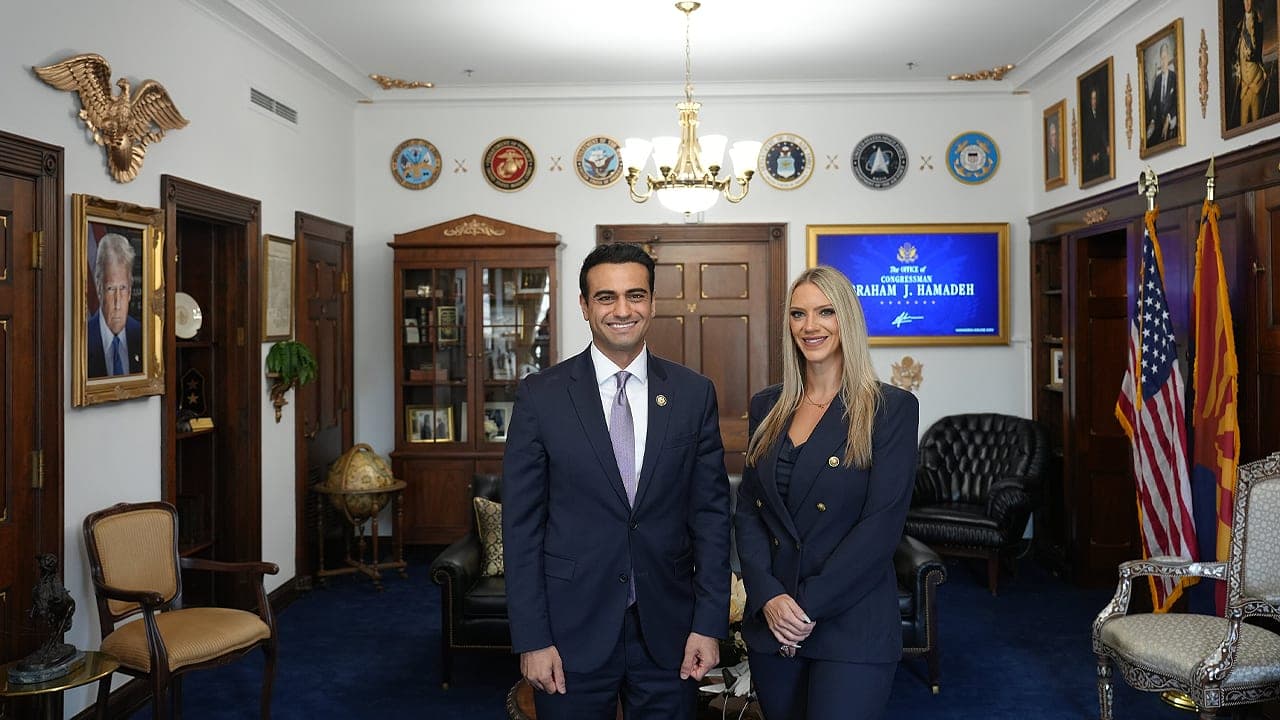
Hamadeh sponsored the bill and described it as a way to protect survivors from renewed contact with convicted offenders.
SOURCE CHECK
TAP FOR WHYFox News is an established national outlet with an attributed reporter and editorial infrastructure. Its institutional reputation is tempered by a recognizable partisan orientation, but the article identifies sources and attributes claims.
- Source type — Established national news outlet with broad reporting operations.
- Author attribution — A named reporter is credited.
- Editorial standards — The outlet has a formal newsroom, though its political coverage is associated with a partisan perspective.
- Transparency — The story attributes key claims to named interviewees and other outlets.
The story includes named sources, details about the survivor’s experience, and Hamadeh’s response to a due-process question. It largely relies on supporters of the bill and provides little independent analysis or opposing perspective on the proposal.
HOW WE SCORE ↗The article gives substantial space to Hamadeh and includes Kozak’s account, but it does not present a critic’s view or independent examination of the bill’s implications. It does briefly address due-process concerns through Hamadeh’s response.
- Counterarguments presented — A due-process question is raised, but the answer comes from the bill’s sponsor and no opposing view is included.
- Source diversity — The story quotes Hamadeh and Kozak and cites other reporting, but its main perspectives favor the bill.
- Opinion vs reporting — Most claims are attributed, though the framing consistently emphasizes the proposal’s benefits.
The article uses mostly attributed language but foregrounds supporters’ arguments and frames the bill as a measure to protect survivors. It includes little opposing perspective, though it does raise and answer a due-process question.
- Source selection — The central sources support the bill; no critic of the measure is quoted.
- Framing — The headline and story emphasize the bill’s protective purpose and Hamadeh’s role.
- Language tone — The main narrative is largely factual, while several quoted descriptions are emotionally forceful.
The House unanimously passed Rep. Abraham Hamadeh’s Kayleigh’s Law, which would require lifetime no-contact orders for people convicted of certain federal crimes. The measure now goes to the Senate, where Sen. Mike Lee is leading efforts to advance it.
Rep. Abraham Hamadeh said the bill would require courts to issue lifetime no-contact injunctions for people convicted of federal sex crimes and violent felonies. The article reports that the House passed the measure unanimously and that it now heads to the Senate. Hamadeh said the law is intended to prevent survivors from being repeatedly brought back to court by their abusers.
The bill is named after Kayleigh Kozak, who said she had to return to court when her abuser sought to end a no-contact protection. Hamadeh credited Kozak’s experience with motivating the legislation and said it would apply only after a conviction. According to Hamadeh, Sen. Mike Lee is leading the effort to move the measure forward in the Senate.
Community verdict
12 VOTES
People in this story
SWIPE →
President whose desk Hamadeh hopes the bill will reach
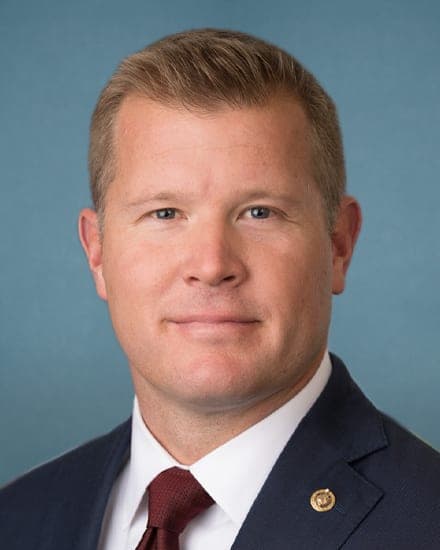
Senator named in an unrelated promotional headline within the article text
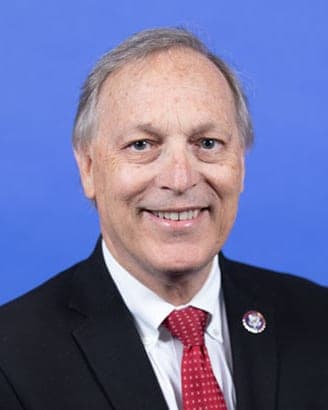
Representative credited with helping move the bill through the House Judiciary Committee
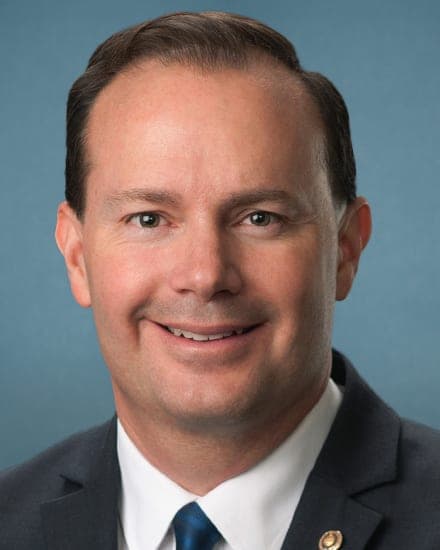
Senator leading efforts to advance the bill in the Senate
Discussion · 0
Loading comments…