Ted Cruz Stops Senate Effort To Pass AI Deepfake Bill
Blackburn tried to advance the bill and argued that its speech safeguards were already part of the legislation.
SOURCE CHECK
TAP FOR WHYForbes is an established national outlet, but its contributor-driven publishing model makes the standards and reporting depth of an individual article somewhat variable. This article identifies its author and attributes key arguments to named senators.
- Source type — Established national publisher with broad readership.
- Author attribution — The article identifies an author and attributes statements to named participants.
- Editorial standards — The outlet has an established editorial operation, though its contributor model can produce variable standards.
- Transparency — The article distinguishes reported events from quoted arguments, but offers limited information about its reporting process.
The report gives a detailed account of the senators’ competing arguments, the bill’s provisions, its committee status and the interests supporting it. Most evidence comes from the lawmakers involved, with little independent expert analysis or opposing outside perspective.
HOW WE SCORE ↗The article includes substantial arguments from Cruz and Blackburn, along with Coons’s support for moving the bill forward. Its account relies mainly on the lawmakers involved and does not include an independent constitutional expert or a detailed response from technology platforms.
- Counterarguments presented — Cruz’s concerns and Blackburn’s defense of the bill’s protections are both presented at length.
- Source diversity — The article includes three senators and mentions industry supporters, but offers no independent expert assessment.
- Omitted context — The report gives limited detail on the specific legal arguments or potential effects of the bill’s provisions.
- Loaded language — The wording is largely descriptive rather than evaluative.
The article reports Cruz’s objections alongside Blackburn’s and Coons’s responses, using mostly neutral language. It does not clearly favor either side of the dispute.
- Source selection — It quotes Cruz, Blackburn and Coons, representing both sides of the legislative disagreement.
- Language tone — The account uses restrained language to describe the objection and the competing positions.
- Framing — The article centers the Senate impasse and explains the arguments behind it.
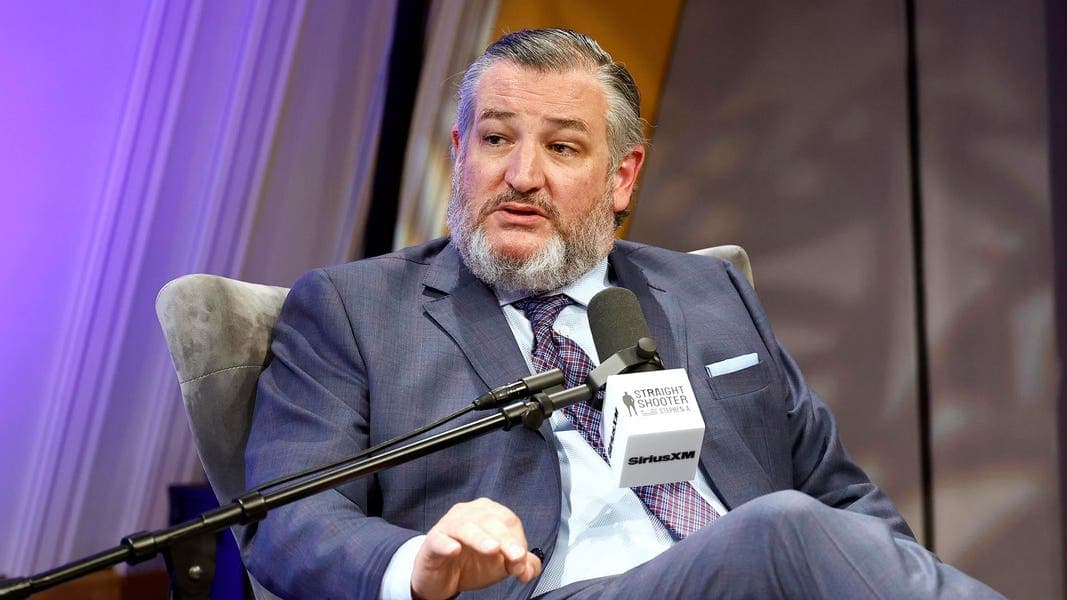
Ted Cruz objected to Marsha Blackburn’s effort to advance the NO FAKES Act by unanimous consent, leaving the bill stalled despite committee approval and support from entertainment and technology groups. Cruz said the bill’s speech protections are unclear; Blackburn and Chris Coons argued that its safeguards are adequate.
Cruz blocked Blackburn’s attempt to advance the NO FAKES Act by unanimous consent, saying its exceptions for satire and political commentary do not sufficiently protect speech. The bill would create a federal right in a person’s voice and likeness and allow legal action over unauthorized digital replicas. It had cleared the Senate Judiciary Committee with Cruz’s support, though he had previously raised concerns about political satire.
Blackburn said the bill’s protections were already included, described consultation with First Amendment experts, and pointed to a counter-notice process for disputed removals. Coons called the measure ready to advance and urged lawmakers not to let disagreements over individual provisions stop Congress from moving forward. Supporters include entertainment organizations and technology companies; the Senate impasse leaves the bill’s path unresolved.
Community verdict
12 VOTES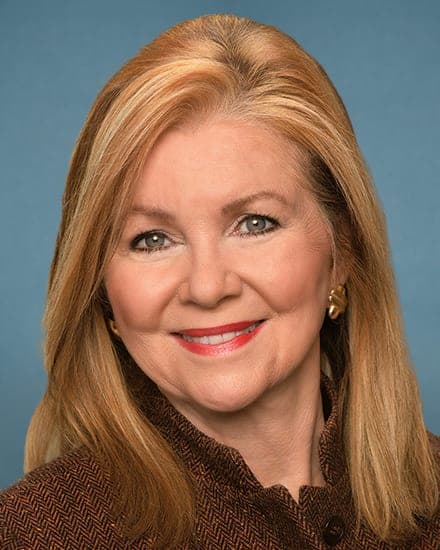
People in this story
SWIPE →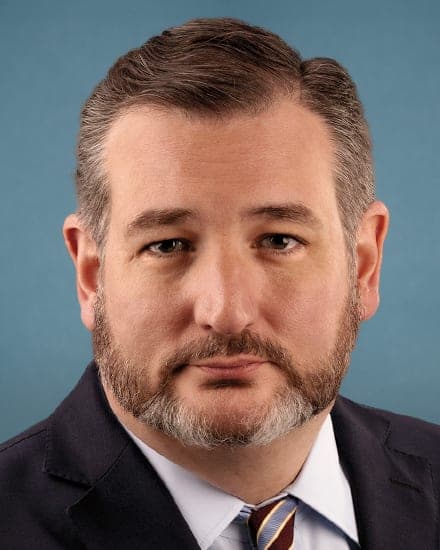
Senator who objected to advancing the NO FAKES Act
Cruz's version of this story ↗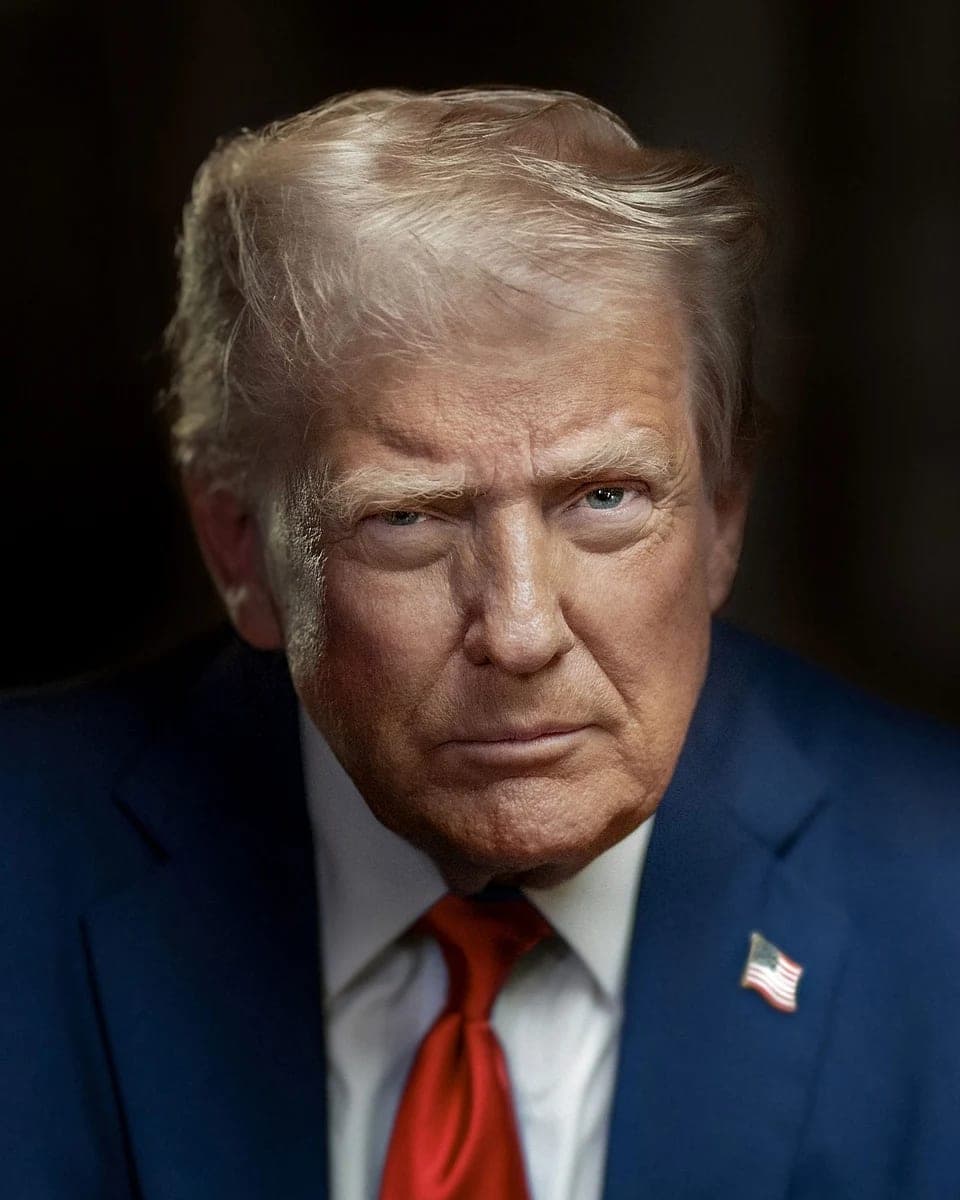
President whose social media accounts were cited in a discussion of AI-generated political material

Former Los Angeles mayor referenced in an AI deepfake example
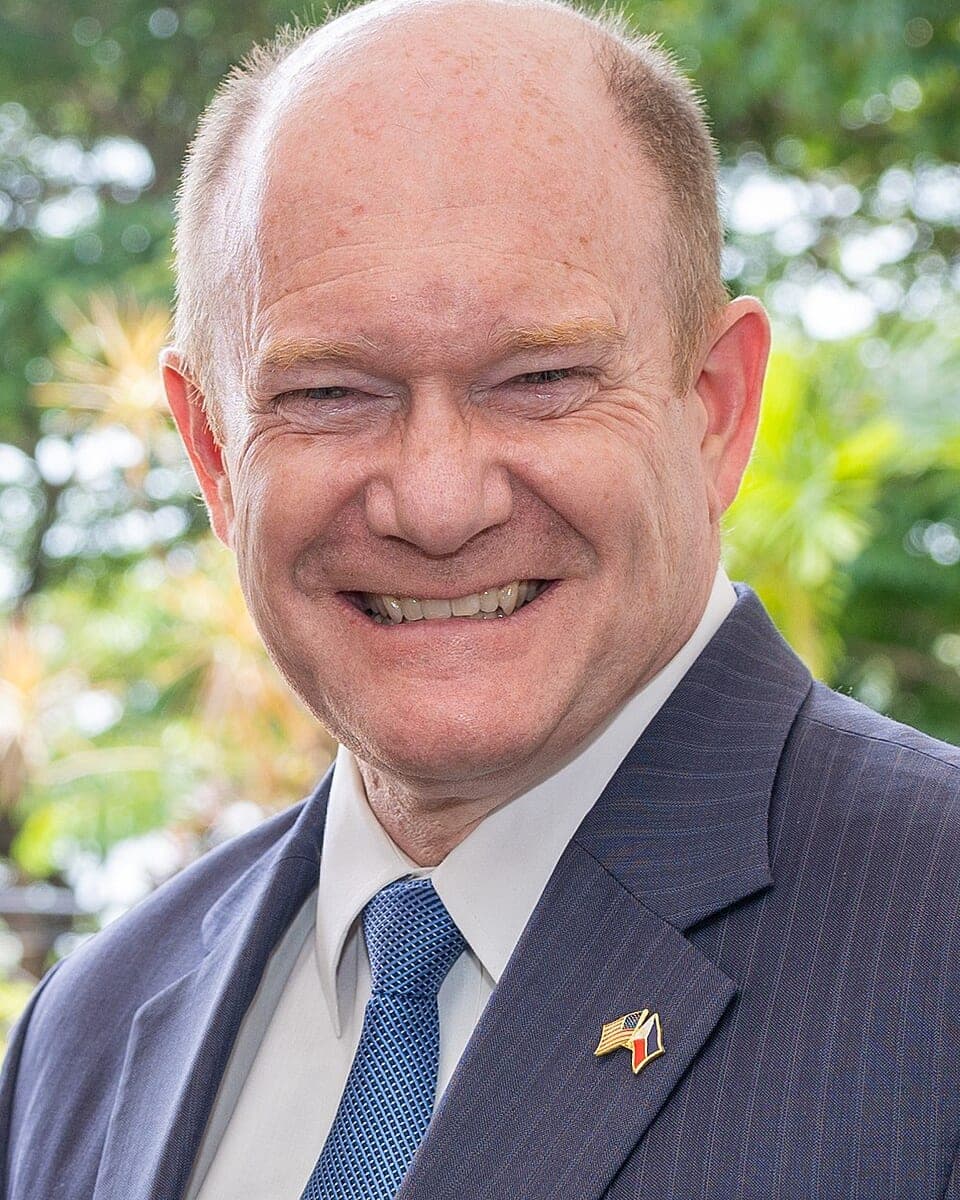
Senator and sponsor supporting the bill
Part of a bigger story
4 OUTLETS- ARTICLES
- 4
- OUTLETS
- 4
- AVG CRED
- 64
Discussion · 0
Loading comments…