Congress Rejects Stiffer Penalties For Meddling In IRS Audits
Brad Schneider proposed increasing criminal penalties for officials who improperly influence IRS audit decisions.

SOURCE CHECK
TAP FOR WHYForbes is an established national outlet, and the article identifies its author and provides specific legislative and statutory details. The story cites other reporting for the Kies-related context but offers limited sourcing on the committee’s rationale for rejecting the amendment.
- Source type — Established national outlet, a strong basis for institutional credibility.
- Editorial standards — The report is specific about the proposal, existing law, and legislative status.
- Author attribution — The article names its author.
- Source diversity — It references Wall Street Journal reporting, but gives little account of the opposing committee members’ reasoning.
The article provides precise penalty amounts, explains the relevant tax-code provision, and distinguishes the committee amendment from the earlier Taxpayer Data Protection Act. Its account is informative but presents little direct evidence or explanation from Republicans who opposed the amendment.
HOW WE SCORE ↗The article explains Schneider’s proposal and the committee’s rejection, but does not provide the Republicans’ reasoning or a direct opposing perspective. The statutory background and comparison with the earlier bill add useful context.
- Counterarguments presented — The committee’s rejection is reported, but no rationale from opponents is included.
- Source diversity — Limited direct source diversity; Schneider’s argument receives the most explanation.
- Omitted context — Provides historical and statutory context, but little about the committee debate beyond its outcome.
The article uses largely descriptive language and explains the amendment and relevant tax-code history without adopting an overtly partisan frame. Its emphasis on the proposal’s purpose is not accompanied by a competing rationale for rejecting it.
- Language tone — Mostly factual and restrained wording.
- Framing — Frames the event as a committee rejection of an amendment and explains its intended effect.
- Source selection — Includes Schneider’s argument but little explanation from opponents.
Republicans on the House Ways and Means Committee rejected Brad Schneider’s amendment to increase penalties for political interference in IRS audits, leaving the existing penalties unchanged.
The amendment Schneider offered during a committee markup would have raised the maximum prison sentence for violating tax code section 7217 from five years to ten years and the maximum fine from $5,000 to $250,000. Republicans on the committee rejected it.
The article explains that section 7217 is intended to prevent political officials from directing IRS audits. It also notes that the House passed the Taxpayer Data Protection Act in 2024 to increase penalties for unauthorized disclosure of taxpayer information, but the Senate did not take up that bill.
Community verdict
18 VOTES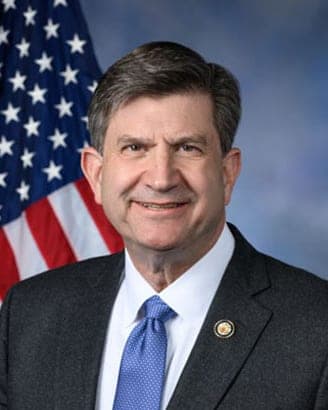
People in this story
SWIPE →Proposed an amendment to increase penalties for political interference in IRS audits
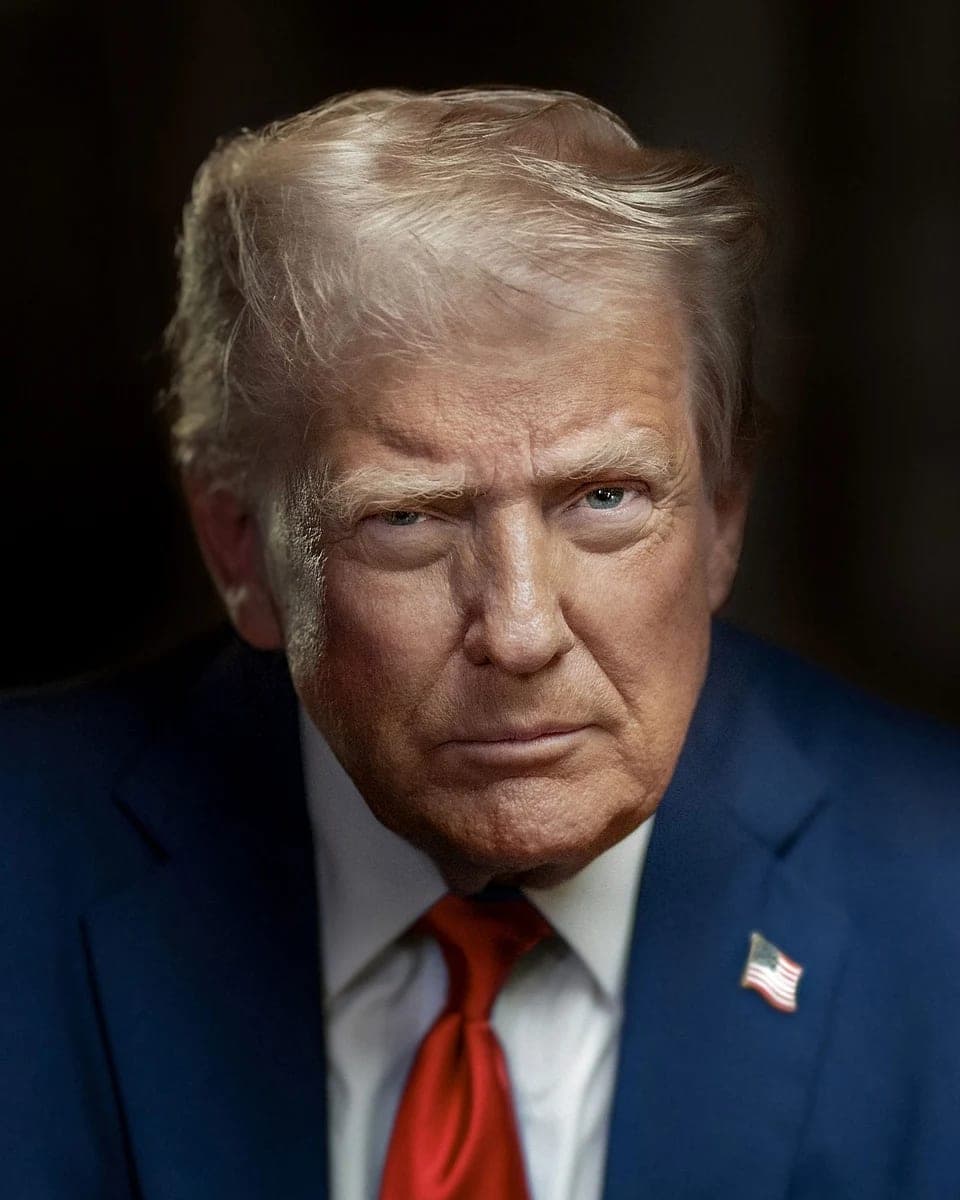
President whose tax returns were disclosed by a former IRS contractor
Discussion · 0
Loading comments…