3 Key Reasons The Proposed 5% Billionaire Wealth Tax Faces Steep Odds
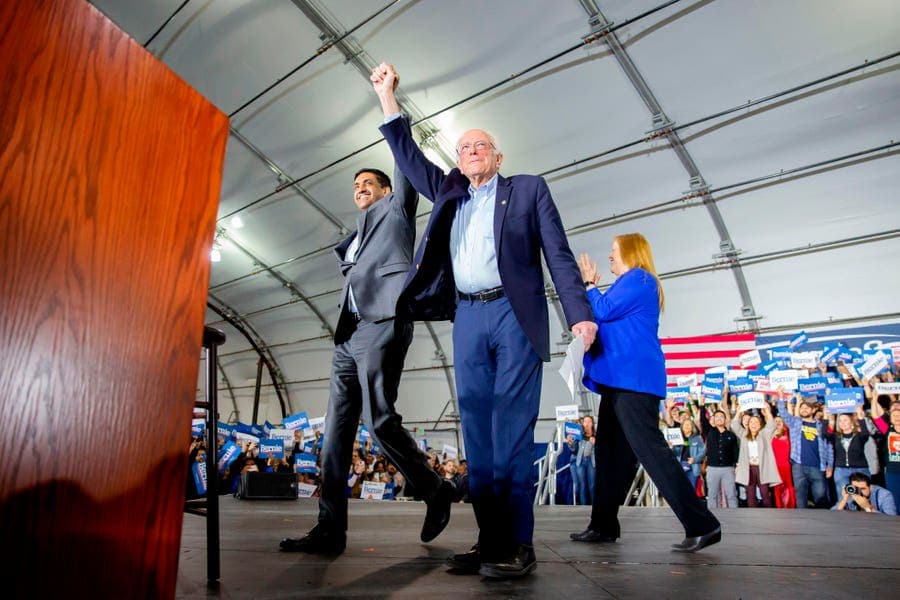
Bernie Sanders and Ro Khanna proposed a 5% annual tax on the wealth of billionaires.
SOURCE CHECK
TAP FOR WHYForbes is an established national business publication with an attributed author, but this article is an individual contributor’s explanatory piece and does not show extensive original sourcing or a corrections record.
- Source type — Established national business publication; the recorded national-news classification supports a strong baseline.
- Author attribution — The article names Nathan Goldman as its author.
- Source diversity — The article references named economists and outside publications or organizations, though the evidence is largely presented secondhand.
- Editorial standards — The publisher has an established editorial operation, but the article itself offers limited indication of extensive original reporting.
The article explains the proposal and identifies several concrete implementation concerns, citing named economists and outside sources. Its scrutiny is largely one-directional, with limited direct sourcing from the bill’s sponsors or supporters and little detail on competing legal or economic assessments.
HOW WE SCORE ↗The article lays out the proposal’s intended uses and estimated revenue, but spends most of its attention on objections and implementation risks without substantive responses from the sponsors or other proponents.
- Counterarguments presented — The proposal’s intended benefits are described, but opposing concerns dominate the discussion.
- Source diversity — It references economists, a newspaper and a think tank, but does not present a broad range of views.
- Omitted context — The article provides little examination of supporters’ responses to the constitutional, valuation or revenue criticisms.
- Loaded language — Most wording is explanatory, though the framing repeatedly foregrounds obstacles.
The article frames the wealth-tax proposal primarily through its obstacles and risks, while giving comparatively little attention to arguments in its favor. The tone is explanatory rather than overtly partisan, but the selection and emphasis tilt against the proposal.
- Framing — The article is organized around three implementation problems and further concerns about effectiveness.
- Source selection — Outside sources are cited mainly for legal, revenue-collection and implementation concerns.
- Headline — The headline emphasizes that the proposal faces steep odds.
- Language tone — The language is mostly explanatory, with some skeptical framing around the proposal’s viability.
The article examines Ro Khanna and Bernie Sanders’ proposed annual 5% tax on billionaires’ wealth, arguing that constitutional challenges, asset valuation and collection difficulties could undermine it. It also outlines the proposal’s estimated revenue and intended uses.
The article says Representatives Ro Khanna and Senator Bernie Sanders introduced the Make Billionaires Pay Their Fair Share Act, which would tax people with more than $1 billion in assets at 5% annually. It describes provisions for a wealth registry and audits, and says economists Emmanuel Saez and Gabriel Zucman estimate the bill could raise $4.4 trillion over a decade. The article says the proposal would fund direct payments and programs involving healthcare, housing and education.
The article argues that the proposal could face constitutional challenges, disputes over valuing complex assets, and practical difficulties collecting the tax. It also raises the possibility that billionaires might sell shares or leave the country, and cites the American Enterprise Institute’s view that the revenue estimate is too high. It notes that some countries, including France, have scaled back or repealed wealth taxes.
Community verdict
23 VOTES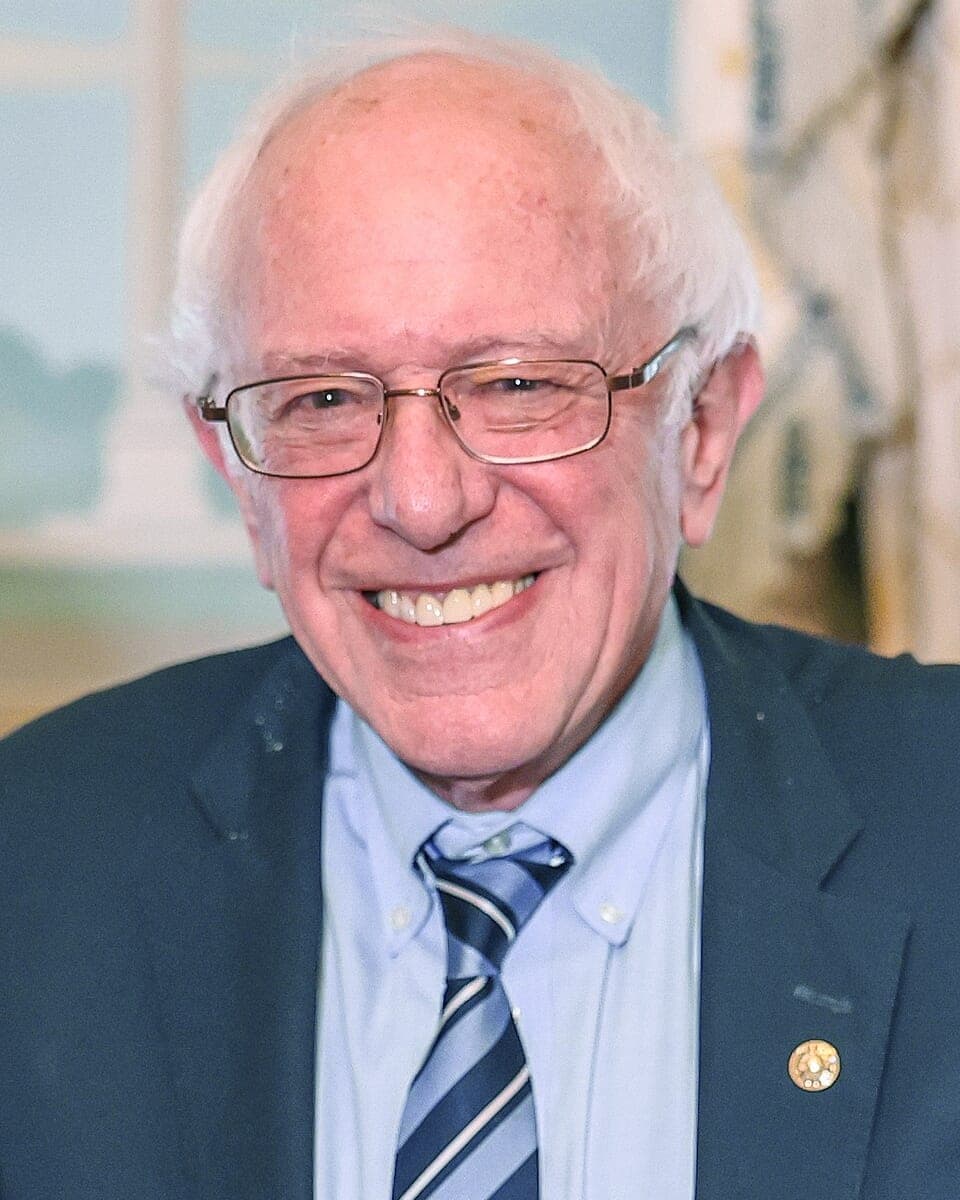
People in this story
SWIPE →Senator and co-introducer of the proposed wealth-tax legislation
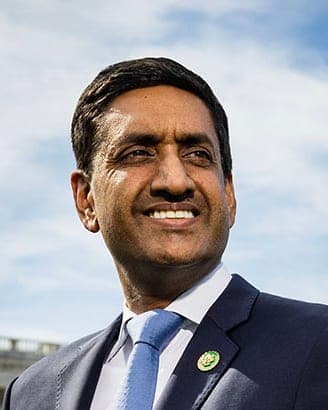
Representative and co-introducer of the proposed wealth-tax legislation
Khanna's version of this story ↗Part of a bigger story
8 OUTLETSOutlets agree that Sanders and Ro Khanna introduced a bill proposing a 5% annual tax on billionaires. Center outlets focus on how the proposal would use revenue, including $3,000 checks and funding for other programs. Right-leaning outlets criticize the tax as a threat to investment, jobs, and economic prosperity, portraying Sanders as a sponsor of a harmful proposal.
- ARTICLES
- 8
- OUTLETS
- 8
- AVG CRED
- 68
Discussion · 0
Loading comments…