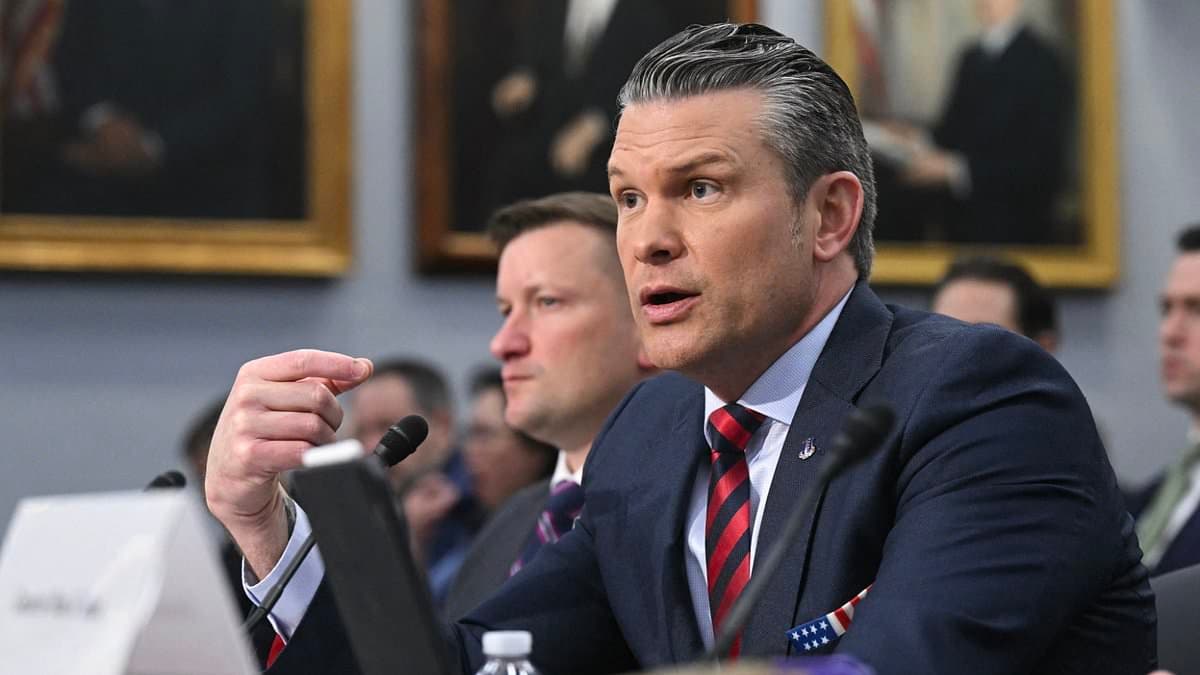
Pete Hegseth dodges as he's grilled on staggering cost of Trump's Iran war
Graham urged the United States to consider a different mediator, criticizing Pakistan’s reported support for Iranian military assets.
SOURCE CHECK
TAP FOR WHYThe Daily Mail is an established news publisher with named authors, but its tabloid style and emphasis on dramatic framing temper confidence in its institutional standards. The article attributes key cost figures to a Pentagon official, though it provides limited independent sourcing.
- Source type — Established international news publisher, with a tabloid-oriented presentation.
- Editorial standards — The article uses dramatic headline language and offers limited context beyond the hearing.
- Author attribution — A named author is credited.
- Source selection — The cost estimate and its explanation are attributed to the Pentagon comptroller.
The article reports specific cost figures and attributes their explanation to a named Pentagon official, and it includes exchanges with lawmakers. Its sourcing is narrow, however, and it provides little independent verification or broader context for the estimate.
HOW WE SCORE ↗The article includes the Pentagon comptroller’s explanation for the higher estimate and reports Hegseth’s response, but most of the framing emphasizes lawmakers’ criticism and the war’s costs. It offers little additional context or defense of the administration’s position.
- Counterarguments presented — The comptroller explains the increase, but the article gives little broader explanation of the administration’s position.
- Source diversity — The account draws mainly on statements made during the hearings.
- Loaded language — The headline and some descriptions characterize Hegseth’s responses negatively.
- Omitted context — There is little independent context on how the estimate was calculated or what it includes.
The report uses a generally factual account of the hearing but frames Hegseth’s response as evasive and highlights criticism of the war and its cost. The wording tilts mildly critical of the administration without making an explicit partisan argument.
- Headline — The headline characterizes Hegseth as dodging questions and calls the cost staggering.
- Language tone — Phrases such as “tried to avoid giving a clear answer” emphasize criticism of Hegseth.
- Framing — The article foregrounds rising costs and lawmakers’ objections, with little defense of the administration’s approach.
At a congressional hearing, Defense Secretary Pete Hegseth did not give a clear answer about the Iran war’s cost, which the Pentagon comptroller said had risen to $29 billion. Senator Lindsey Graham also challenged Hegseth over Pakistan’s role in the conflict and peace talks.
During a hearing on the Pentagon’s budget, Hegseth said the department would share information about the war’s cost when it was relevant and required. Pentagon comptroller Jay Hurst told lawmakers the estimate had risen from $25 billion to $29 billion, citing updated equipment repair and replacement costs and operational expenses. Pete Aguilar said the hearing was the appropriate setting to provide more details.
In a separate exchange, Lindsey Graham criticized Pakistan for reportedly hosting Iranian aircraft while mediating peace talks, and said the United States should consider another mediator. The article also recounts earlier exchanges between Hegseth and House Armed Services Committee member Adam Smith about the war’s rationale and Iran’s nuclear program.
Community verdict
28 VOTES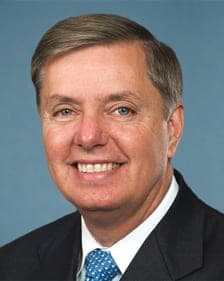
People in this story
SWIPE →Senator who challenged Hegseth over Pakistan’s role in the Iran conflict and peace talks

Secretary of Defense questioned about the Iran war’s cost and its course
Hegseth's version of this story ↗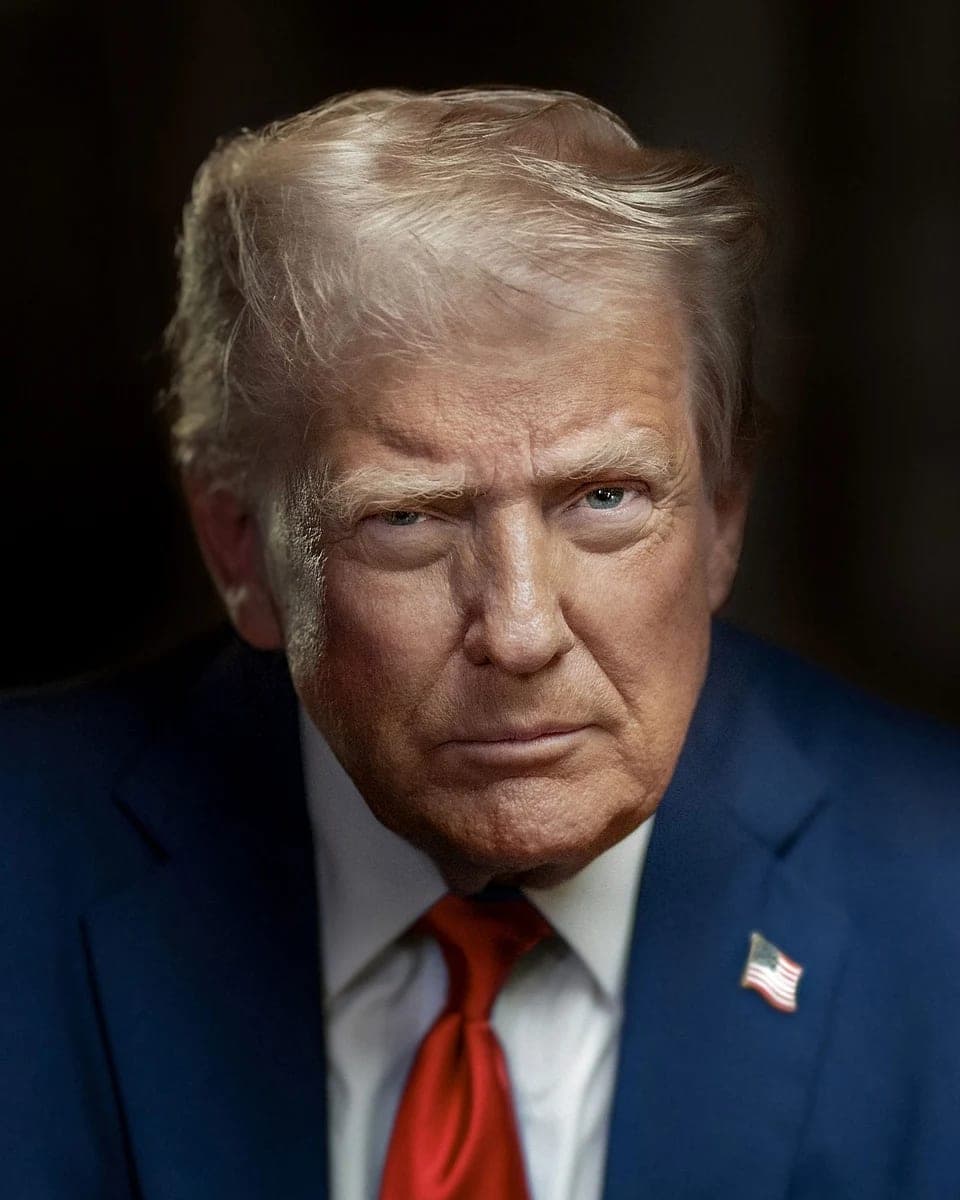
President whose administration is conducting the Iran war
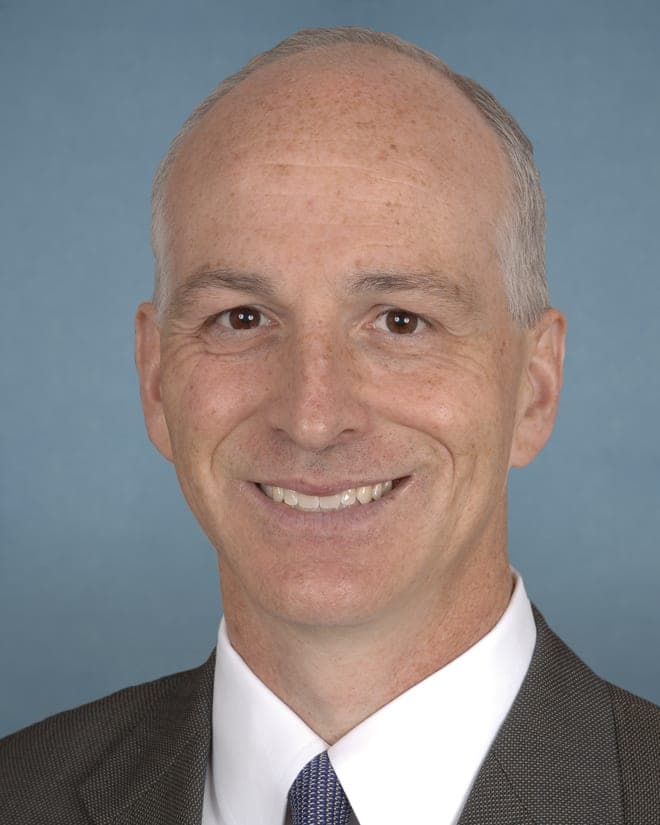
Representative who questioned Hegseth in an earlier hearing about the war’s rationale
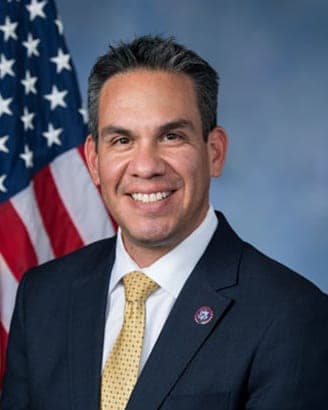
Representative who asked Hegseth for more detail about the Pentagon budget
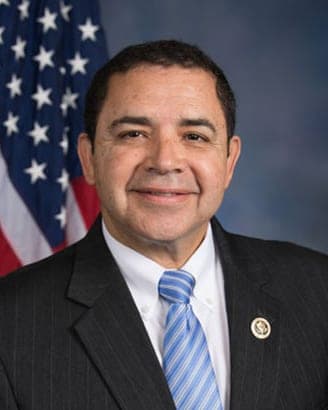
Representative shown listening during the hearing
Discussion · 0
Loading comments…