Axios reports on Graham's final hours
The article recounts Graham’s final conversations and the reports surrounding his death.
SOURCE CHECK
TAP FOR WHYDaily Kos is a blog-style publisher, and this post appears to rely substantially on reporting attributed to Axios, an anonymous source and social media material. The named author provides some transparency, but the post offers limited independent corroboration.
- Source type — Blog/community publishing is a weaker institutional prior than an established newsroom.
- Author attribution — An author is named, but the post relies on reporting attributed to Axios and other journalists.
- Transparency — An anonymous source and social media reporting are used, with limited detail about verification.
- Editorial standards — The post provides little evidence of independent reporting or editorial review.
The account includes details attributed to an anonymous person, Graham’s office, an EMS radio recording obtained by a journalist and social media posts. It also reports that the FBI’s involvement drew questions without providing an explanation from the agency, leaving an important point unresolved.
HOW WE SCORE ↗The account attributes information to Graham’s office, an anonymous source and a journalist who obtained EMS radio traffic. However, it foregrounds unanswered questions about FBI involvement and includes no response explaining the agency’s role.
- Source diversity — Several sources and forms of reporting are cited, though much of the account is secondhand.
- Counterarguments presented — The FBI’s statement that it was assisting local authorities is included, but no explanation of why is provided.
- Omitted context — The article leaves the reason for FBI involvement unresolved.
The account is mostly a factual timeline, although the focus on questions about the FBI’s involvement introduces a note of suspicion. Its framing does not establish a clear partisan direction.
- Language tone — Most wording is descriptive, with some suspenseful framing around the FBI’s role.
- Source selection — The post draws on an anonymous source, official statements and journalists’ reporting.
- Framing — It highlights questions about the FBI but does not assert a political explanation.
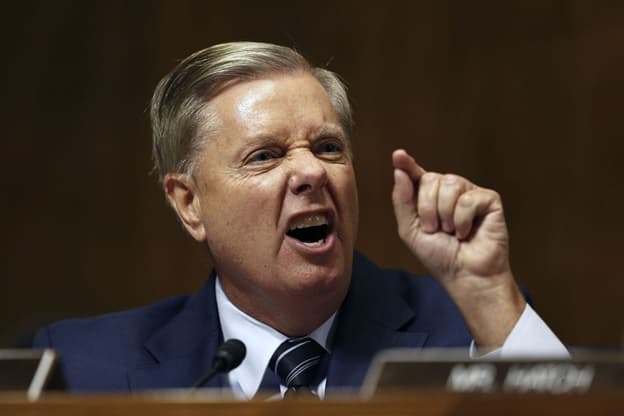
Sen. Lindsey Graham died Saturday night after telling an acquaintance he felt unwell. The article recounts his final hours and reports that an EMS radio account described chest pains and cardiac arrest; questions also arose about FBI involvement.
The article says Graham spoke with President Donald Trump by phone Saturday night about his Ukraine trip and a Russia sanctions bill, and that Trump told him he was preparing fresh strikes against Iran. Shortly afterward, Graham reportedly told an acquaintance he felt unwell, but said he would seek medical attention the next morning after a scheduled television appearance. He joked that he still had work to do on sanctions, Iran and Israeli-Saudi normalization before he could die.
Graham’s office said he died Saturday night from a “brief and sudden illness.” A journalist later posted that EMS radio traffic indicated Graham experienced chest pains before cardiac arrest. The article also notes that the FBI said it was assisting local authorities, prompting questions about why the agency was involved; Patel did not immediately respond to a reporter’s inquiry.
Community verdict
VOTING CLOSED
No good or bad look here
This story reports what happened without casting Graham in a good or bad light, so readers don’t rate it and it doesn’t count toward Graham’s record.
People in this story
SWIPE →South Carolina senator whose final hours and death are reported
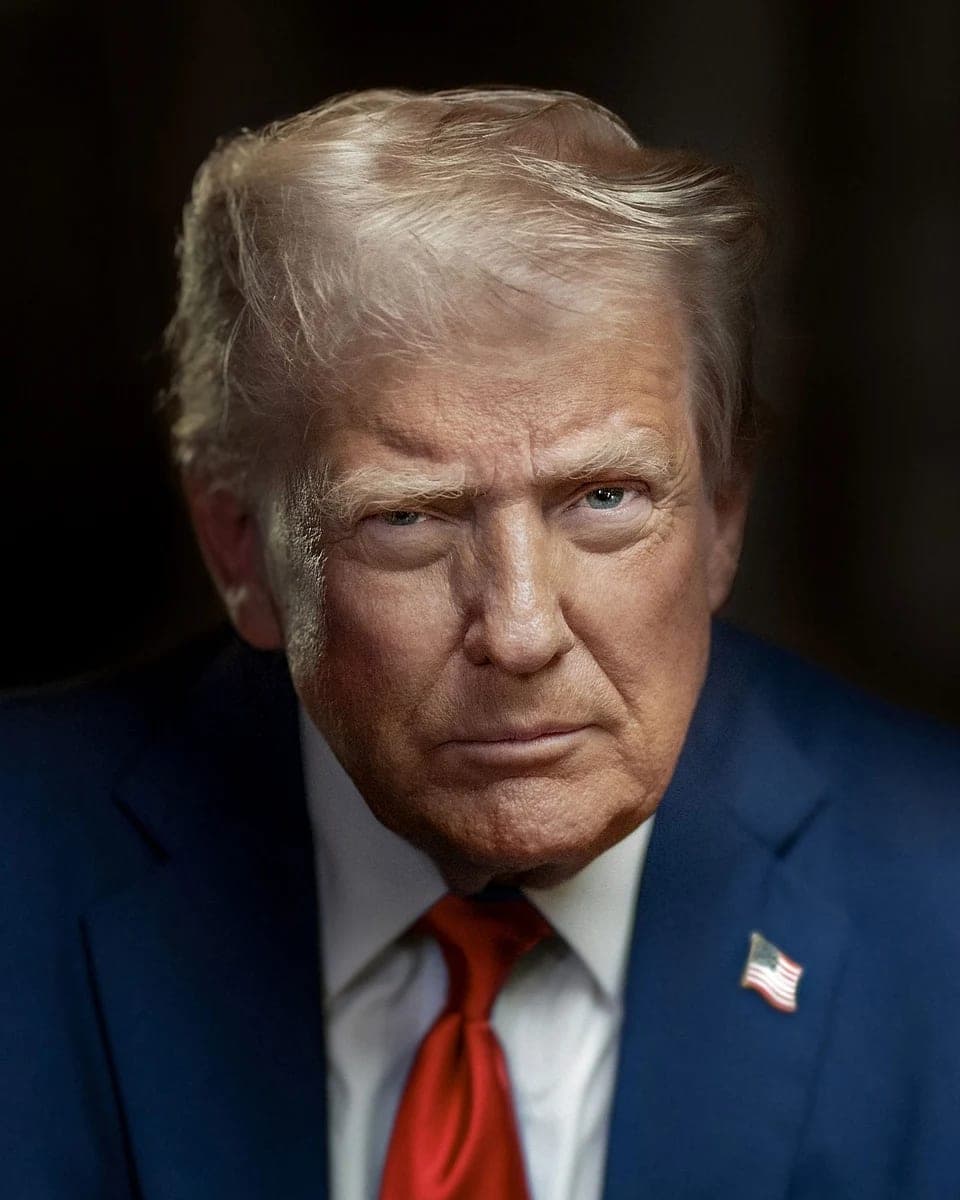
President who spoke with Graham and described plans for strikes against Iran
Part of a bigger story
2 OUTLETS- ARTICLES
- 2
- OUTLETS
- 2
- AVG CRED
- 49
Discussion · 0
Loading comments…