Senate Fails To Advance GOP-Led Data Center Bill That Had No Teeth
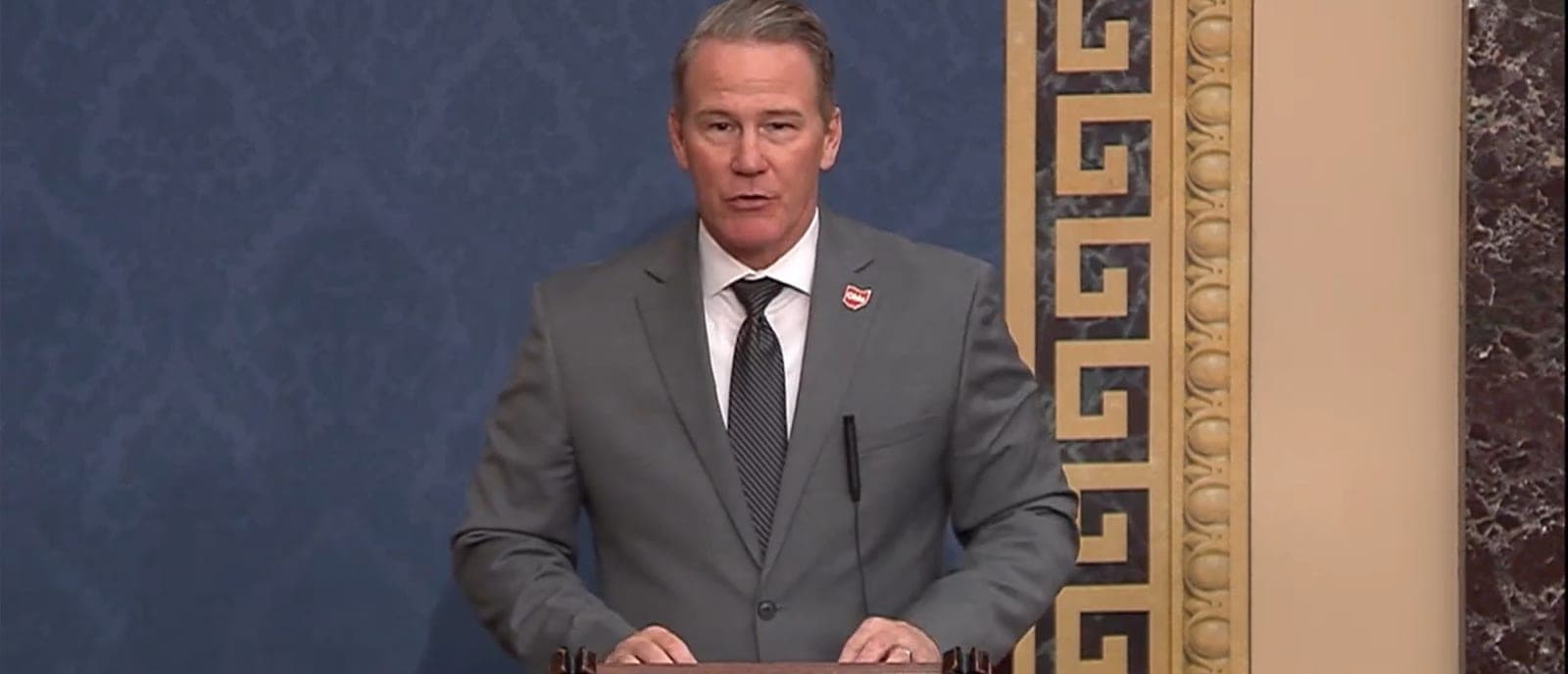
Husted introduced the Senate bill that failed to advance, proposing that states consider making data centers cover grid costs.
SOURCE CHECK
TAP FOR WHYThe Daily Caller News Foundation identifies its reporter and describes itself as a newswire service, and the article attributes several figures to named sources. Its institutional record and correction practices are not established by this article alone.
- Author attribution — A named reporter is credited.
- Source type — A newswire-style publisher with an identifiable organization.
- Transparency — The publisher identifies its syndication and licensing terms.
- Editorial standards — The article itself provides limited evidence about corrections or broader editorial safeguards.
The article gives the vote tally, describes the bill's limits, and attributes energy-use and price figures to named sources. It includes a quote from Heinrich but offers little direct explanation from Husted or other supporters about the bill's rationale.
HOW WE SCORE ↗The article explains the measure's limits and reports the vote, but presents a critical view of the bill and gives Heinrich's objections and alternative more voice than the bill's supporters.
- Counterarguments presented — The article describes the proposal but does not include a supporter explaining why its approach was chosen.
- Source diversity — The report includes a direct quote from Heinrich and outside data sources, but little viewpoint diversity on the bill itself.
- Loaded language — The headline's “no teeth” characterization is pointed, though the article explains the underlying limitation.
- Omitted context — It gives limited context on supporters' reasoning and the bill's legislative path.
The report is mostly written in a factual style, but its headline and framing emphasize that the GOP-led bill lacked an enforcement mechanism, while Heinrich's stricter proposal receives prominent attention.
- Framing — Emphasizes the weakness of the GOP-led bill and contrasts it with Heinrich's stronger proposal.
- Language tone — Mostly reportorial, with the evaluative phrase “no teeth” in the headline.
- Source selection — Includes Heinrich's criticism but no comparable explanation from Husted or another supporter.
The Senate voted 57-43 against advancing a Republican-led data center bill that would ask states to consider making data centers pay for grid costs, but would not require them to do so. Sen. Jon Husted introduced the bill; Sen. Martin Heinrich proposed a stricter alternative.
The Senate bill failed to reach the floor after falling short of the 60 votes needed to advance. The measure would require states to consider a federal standard for data centers to cover grid upgrades and rising electricity costs, but would not compel states to make them pay. Sens. Amy Klobuchar, Jon Ossoff, Raphael Warnock and Maggie Hassan voted to advance it. Husted introduced the measure as he faces a competitive race against former Sen. Sherrod Brown.
Heinrich had objected to an earlier fast-track effort and introduced the GRID Savings Act of 2026, which he said would require large electricity users to pay for grid facilities they need. The article also reports that the House passed the legislation 417-3, with Reps. Rashida Tlaib, Delia Ramirez and Summer Lee voting against it.
Community verdict
8 VOTES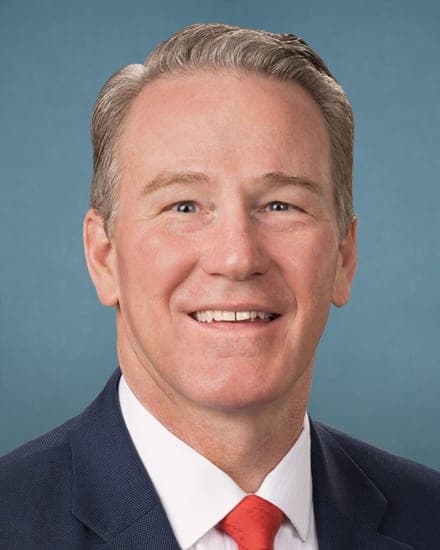
People in this story
SWIPE →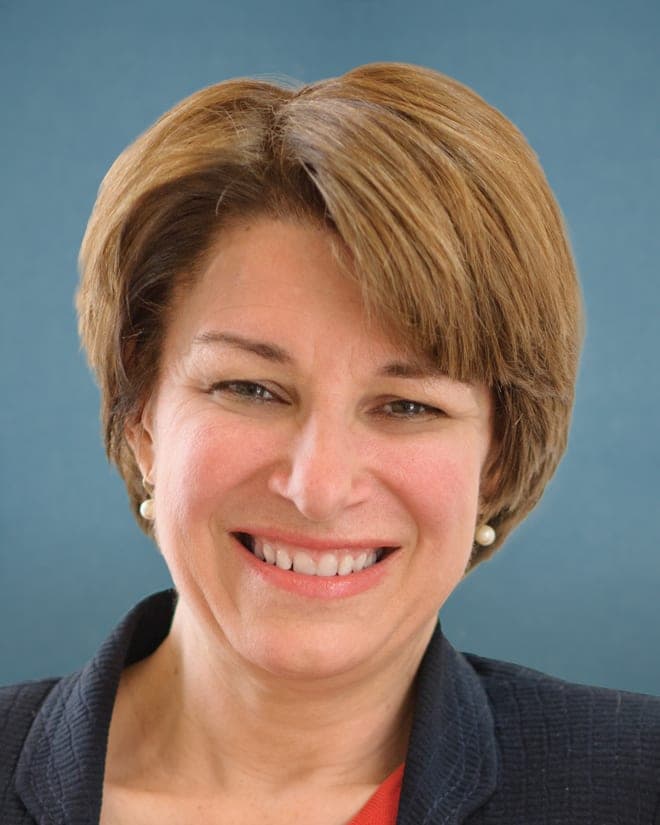
Senator who voted to advance the bill

Senator who voted to advance the bill
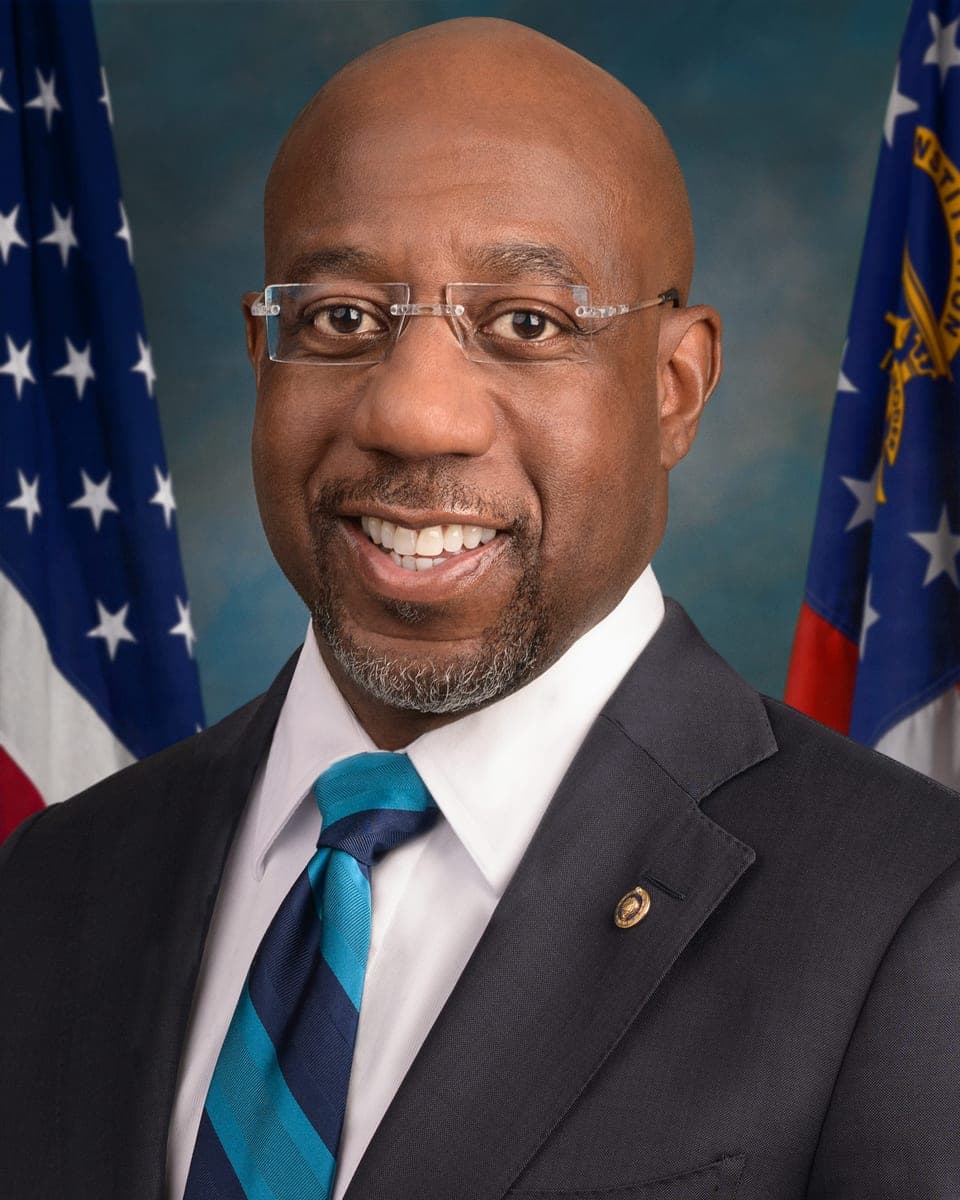
Senator who voted to advance the bill
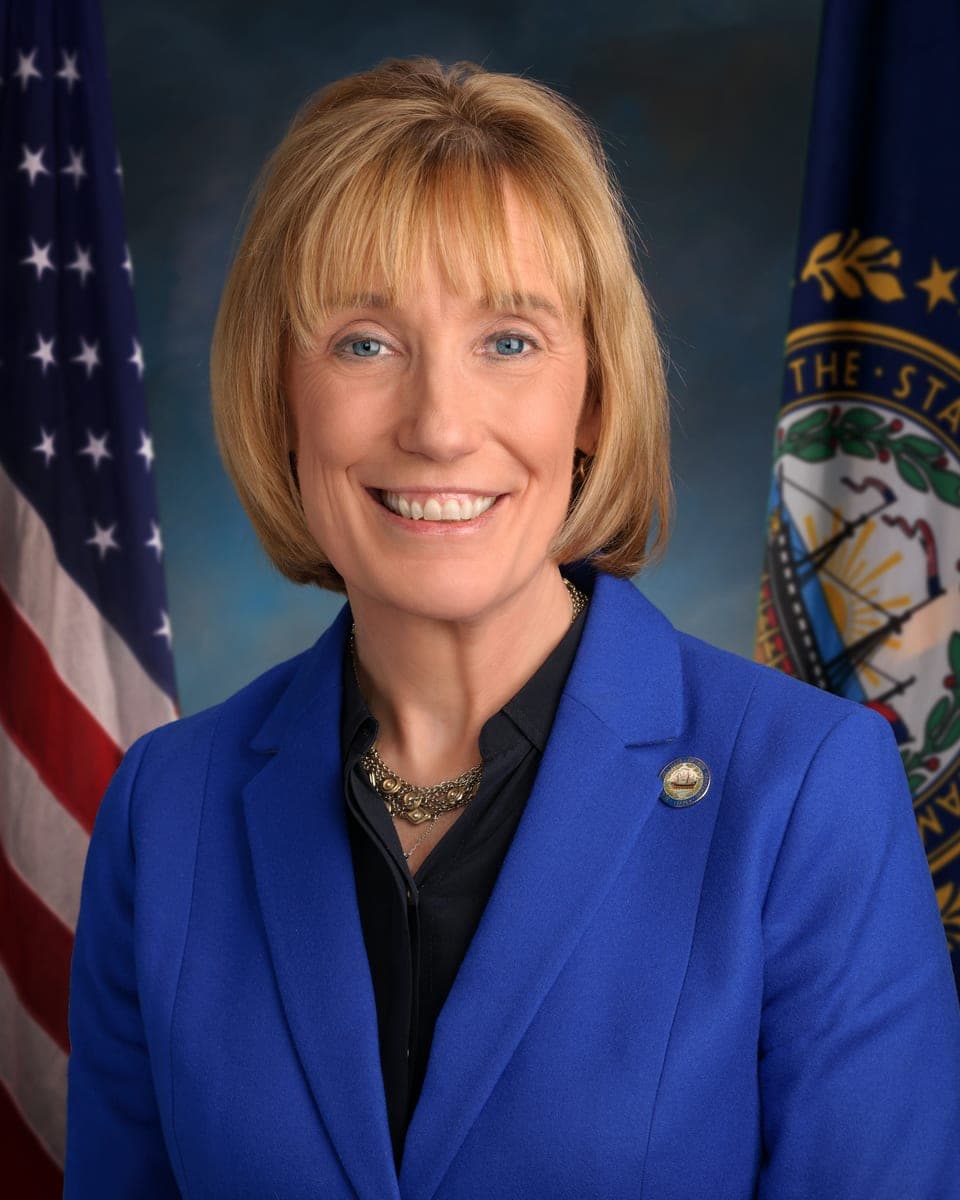
Senator who voted to advance the bill

Representative who voted against the legislation in the House
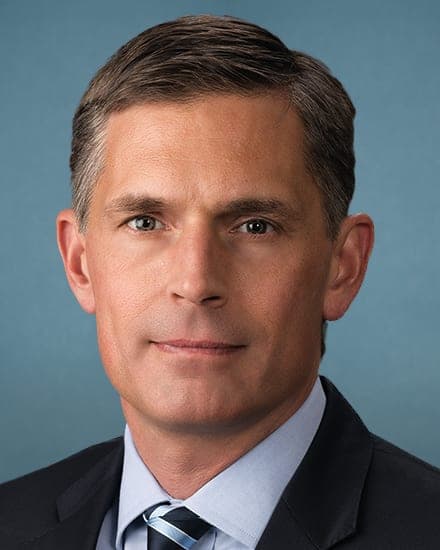
Senator who objected to an earlier fast-track effort and introduced a stricter alternative bill

Representative who voted against the legislation in the House
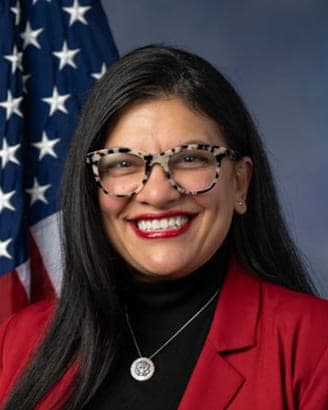
Representative who voted against the legislation in the House
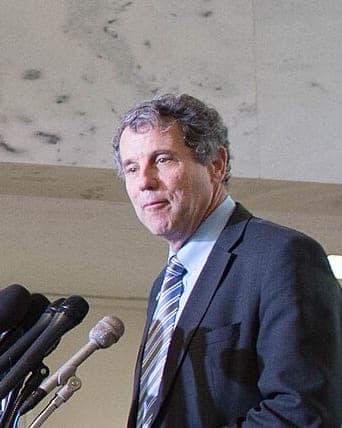
Former senator and Husted's opponent in a competitive race
Part of a bigger story
22 OUTLETSOutlets across the spectrum report that the Senate failed to advance the data-center electricity-cost bill promoted by Jon Husted. Left-leaning outlets portray the bill as weak and connect it to Husted’s campaign and Republicans’ affordability message. Center outlets focus on the failed vote and dispute over whether the bill would meaningfully shield consumers. Right-leaning outlets often emphasize the bill’s affordability aims and Democratic opposition, though some also stress its limited requirements.
- ARTICLES
- 31
- OUTLETS
- 22
- AVG CRED
- 72
Discussion · 0
Loading comments…