Republicans Pull The Plug On 2 Swing States As GOP’s Midterm Prospects Become Increasingly Grim
The article reports that Cooper led Whatley in polling and had booked substantial advertising in North Carolina.
SOURCE CHECK
TAP FOR WHYThe Daily Caller News Foundation identifies its reporter and attributes figures and claims to multiple named news outlets, polls, and campaign representatives. Its newswire format and identifiable byline support transparency, though the article offers limited direct reporting from some campaigns and the organization is not a major wire service or newspaper of record.
- Source type — A named national-news nonprofit newswire with a stated content-distribution model.
- Author attribution — Named reporter and campaign spokespersons are identified.
- Transparency — The publisher describes its licensing and syndication terms; the article attributes many figures to other outlets and polls.
- Editorial standards — The text shows some source attribution but provides limited evidence about corrections practices or editorial standards.
The article gives specific spending and polling figures and attributes them to named outlets and polls, while including responses from a Whatley campaign spokesperson and Schumer. Its account relies heavily on secondary reporting, does not include direct comment from Collins's campaign, and leaves open whether other groups will replace the withdrawn spending.
HOW WE SCORE ↗The article includes Republican campaign and PAC responses as well as polling, spending data, and Schumer's reaction. It lacks direct comment from Collins's campaign and offers little response from Democratic campaigns, so the range of perspectives is limited.
- Counterarguments presented — A Whatley campaign spokesperson argues the campaign remains resourced to win; the piece also reports Schumer's interpretation of the spending shift.
- Source diversity — Figures and claims come from several news outlets and polls, but the candidates' campaigns are not represented evenly.
- Omitted context — Collins's campaign did not respond, and the article says the plans of other groups were unclear.
- Loaded language — Most language is descriptive; a critical characterization of Cooper is attributed to the Whatley campaign spokesperson.
The article reports spending shifts and polling with largely descriptive language, and attributes partisan claims to the people making them. Its emphasis on Republican setbacks does not by itself establish a political lean.
- Language tone — Mostly straightforward reporting, with campaign rhetoric presented as a quotation.
- Source selection — Uses polling and reporting from multiple outlets, plus statements from Republican campaign representatives and a Democratic leader.
- Framing — Frames the spending changes as a potential challenge for Republicans, consistent with the stated news event and polling figures.
Republican groups reduced planned spending in Georgia and North Carolina while shifting resources to other races, as polls showed Democratic candidates ahead in both states. The article reports that the spending changes could affect close Senate contests, though it was unclear whether other groups would fill the gap.
Republican committees and political action committees scaled back support in Georgia and North Carolina while directing substantial spending toward other races. The Senate Leadership Fund paused its North Carolina advertising after spending $30 million there, and a pro-Michael Whatley super PAC cut $6.5 million from its October advertising plans. The article says Republican spending in North Carolina declined while Jon Ossoff and Roy Cooper led their opponents in polling; it also reports advertising totals for the campaigns and outside groups.
A Whatley campaign spokesperson said the campaign had the resources to defeat Cooper and argued that late-deciding voters often favor Republicans. Senate Minority Leader Chuck Schumer said the Senate Leadership Fund’s shift indicated the direction of the Senate majority. The article also notes that it was unclear whether other groups would increase spending in the races, and describes polling and spending in several other competitive states.
Community verdict
VOTING CLOSED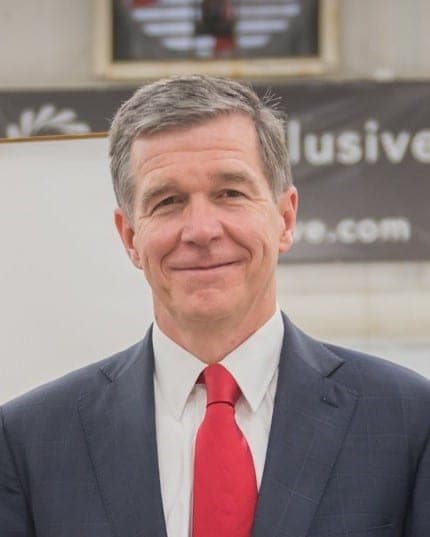
No good or bad look here
This story reports what happened without casting Cooper in a good or bad light, so readers don’t rate it and it doesn’t count toward Cooper’s record.
People in this story
SWIPE →Former North Carolina governor and Democratic Senate candidate leading Whatley in polling
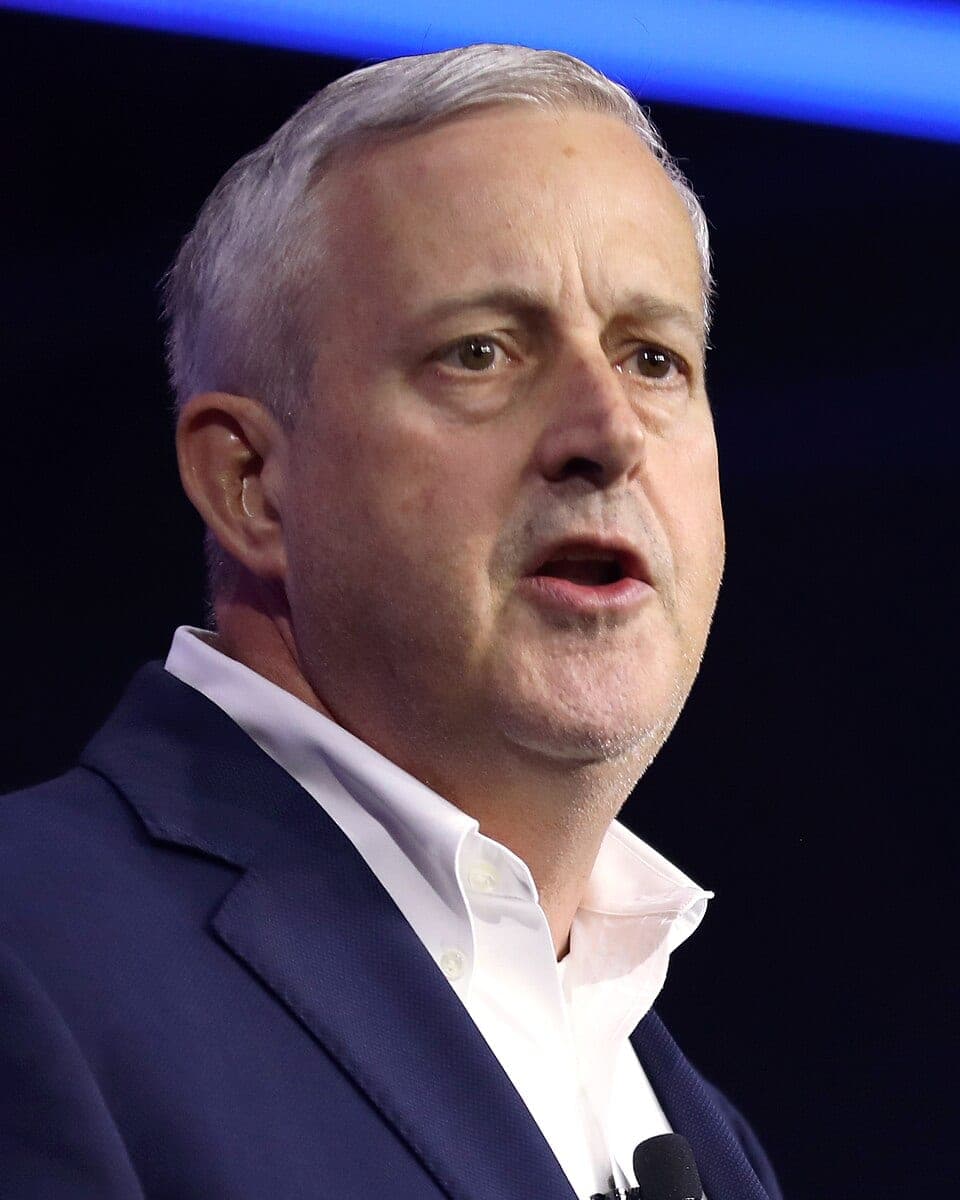
Republican North Carolina Senate candidate affected by cuts to outside spending
Whatley's version of this story ↗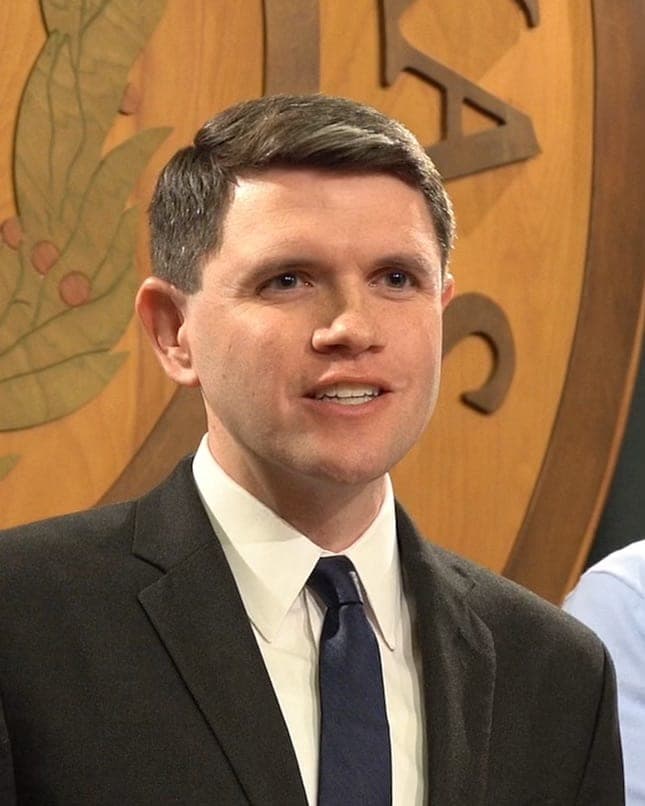
Democratic Texas Senate candidate leading Paxton in polling

Democratic Iowa Senate candidate leading in polling against Ashley Hinson
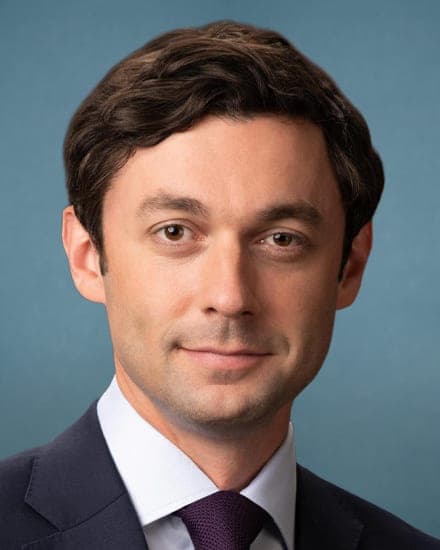
Georgia senator and Democratic candidate leading Collins in polling
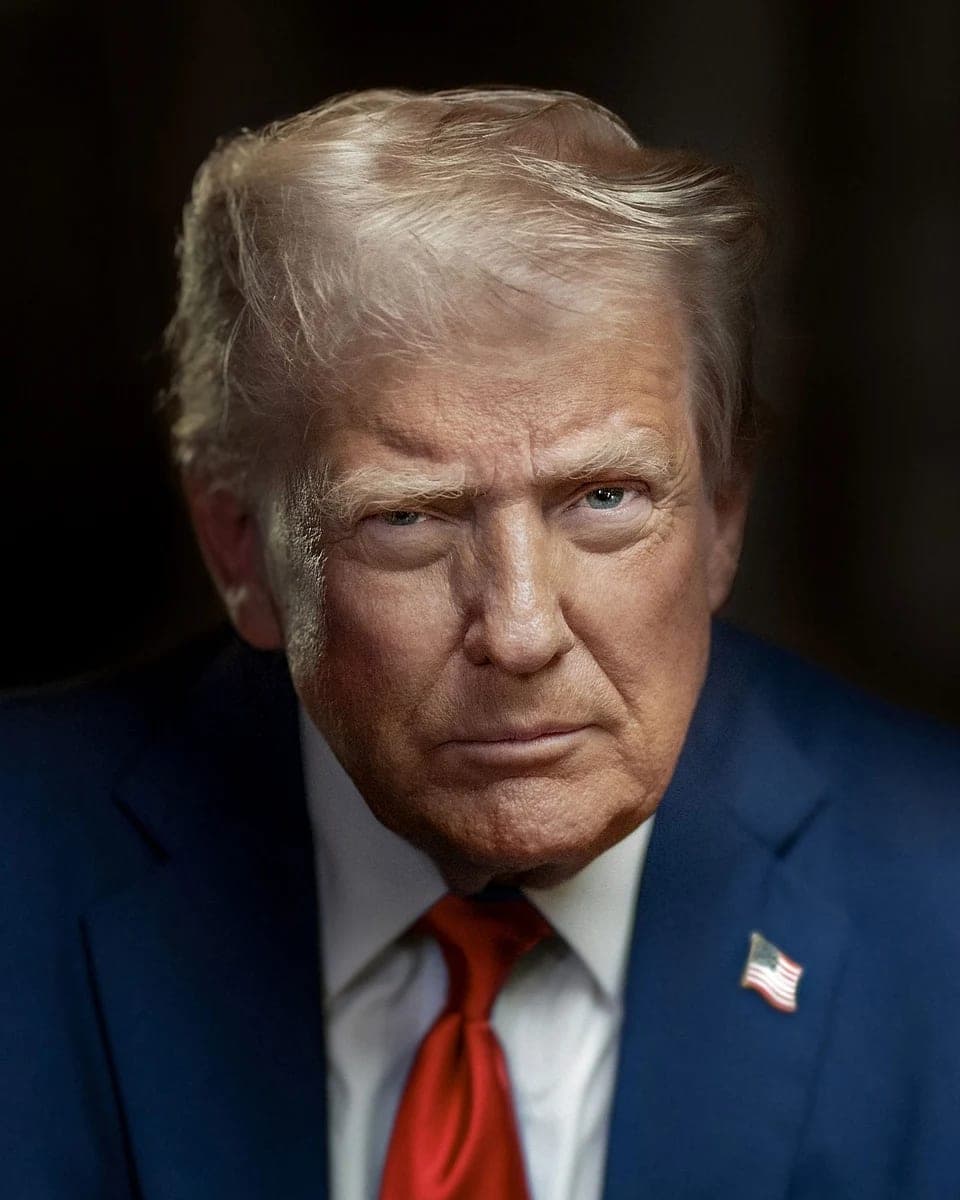
President who threatened to support a primary challenger to Tillis and endorsed Whatley
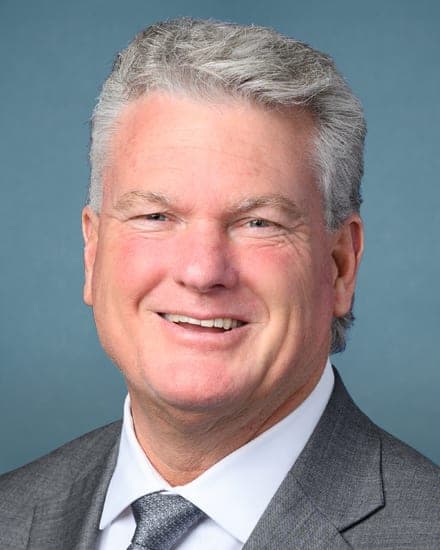
Georgia representative and Republican facing a close race amid reduced outside spending
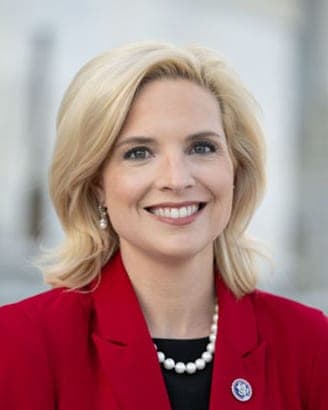
Iowa representative in a Senate race receiving Republican advertising support
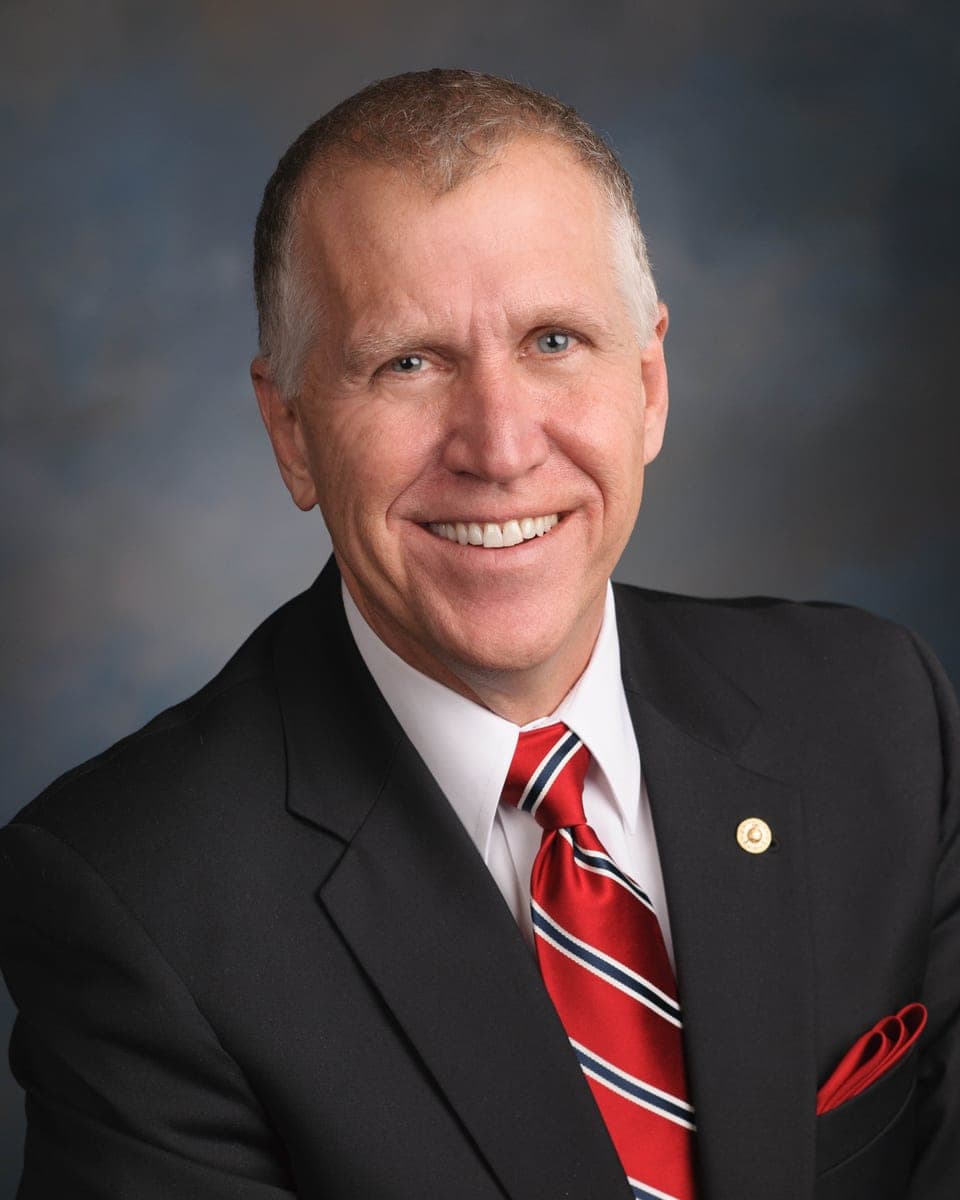
North Carolina senator who announced he would not seek reelection
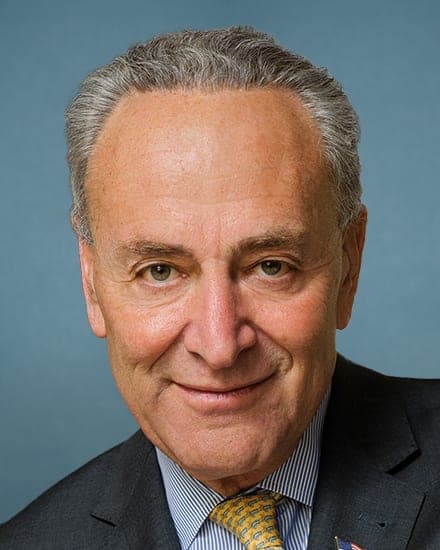
Senate minority leader commenting on the shift in Republican super PAC spending
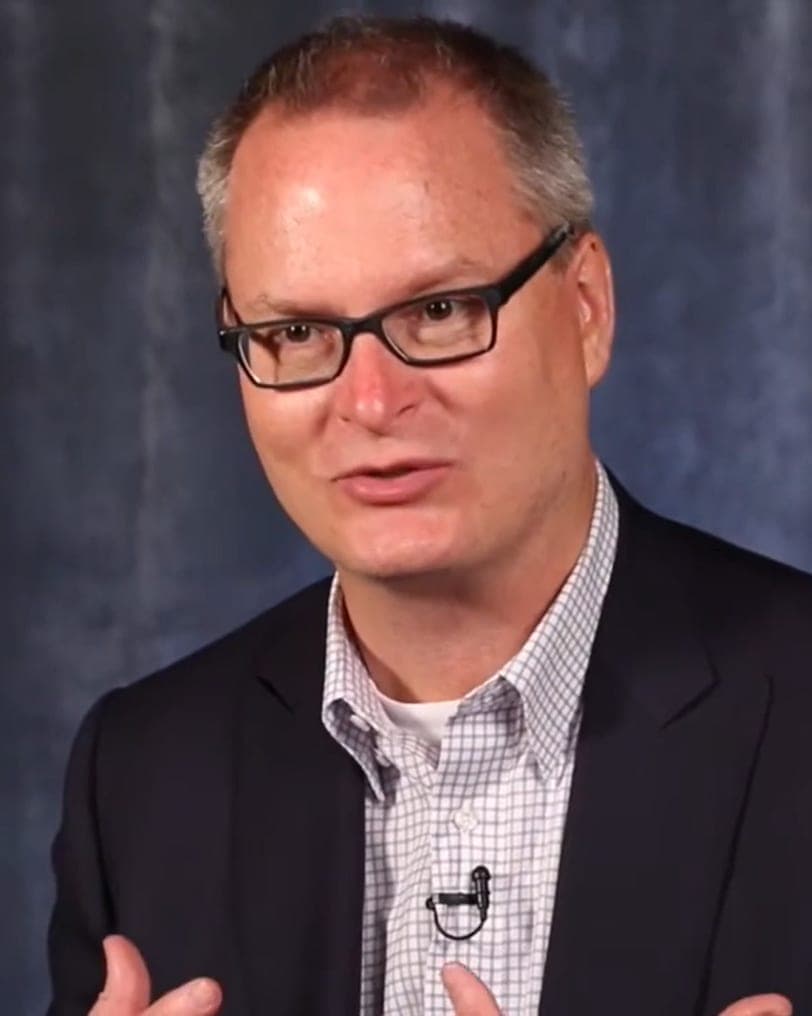
Democratic Kansas Senate candidate challenging Roger Marshall
Republican Texas attorney general and Senate candidate facing James Talarico
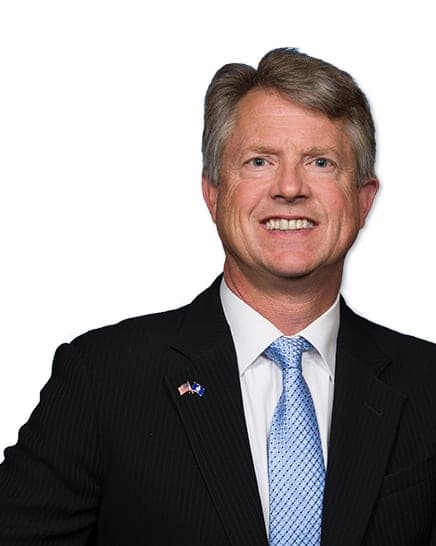
Kansas senator facing a competitive race as the Senate Leadership Fund shifts advertising there
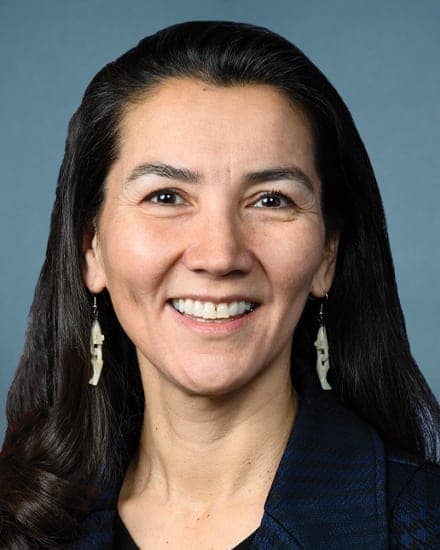
Former Alaska representative and Democratic Senate candidate facing Dan Sullivan
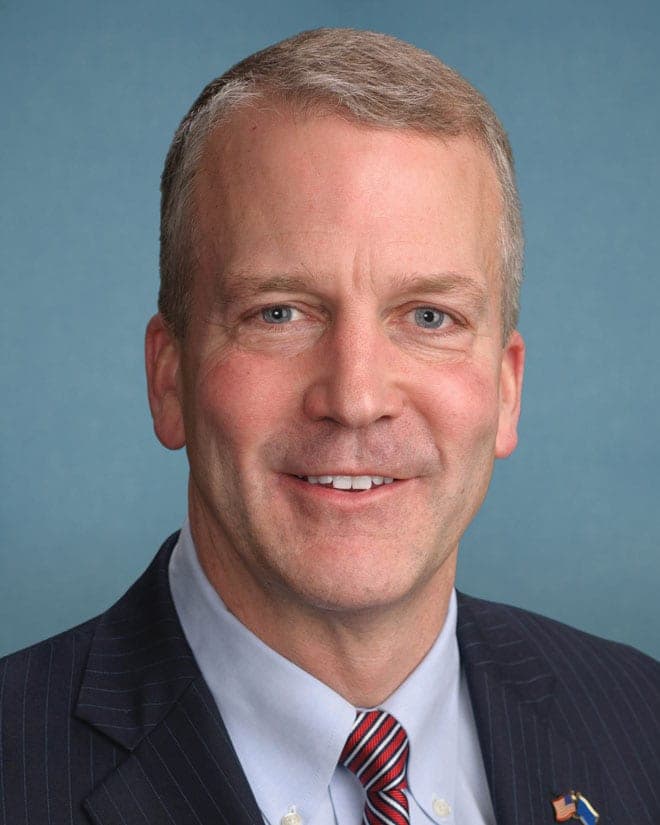
Alaska senator facing a competitive Senate race
Discussion · 0
Loading comments…