Editorial: Sen. Blumenthal's regulations would benefit AI giants at everyone else's expense
The editorial argues that Blumenthal’s proposed AI review rules could benefit large companies at the expense of smaller competitors.

SOURCE CHECK
TAP FOR WHYCredibility rates Ctinsider, where this article appeared. The other scores rate the article itself.
CT Insider is an established regional news outlet, and the page identifies the Republican-American Editorial Board as the author. This is an attributed editorial rather than original reporting, so the publisher’s credibility does not establish the strength of the editorial’s arguments.
- Source type — Established regional news publisher.
- Transparency — The editorial board is identified as the author.
- Editorial standards — The piece is clearly presented as an editorial, distinguishing opinion from straight reporting.
- Track record — The publisher has an established regional news presence, though this piece is attributed to another outlet’s editorial board.
The editorial cites campaign-finance filings and quotes earlier commentary, but it offers a largely one-sided argument and does not present Blumenthal’s response or evidence that the proposed rules would in fact exclude competitors. Its central claim about regulatory capture is presented as an argument rather than demonstrated by the examples.
HOW WE SCORE ↗This is an explicitly labeled editorial that advances a sustained argument against the proposal. It acknowledges AI risks but does not include a substantive defense of federal review or a response from Blumenthal.
- Opinion vs reporting — The piece is an editorial making an argument rather than a balanced news report.
- Counterarguments presented — It briefly acknowledges AI risks but does not develop the case for the proposed regulation.
- Source diversity — The argument draws on prior commentary but does not include a current opposing source or a response from Blumenthal.
- Loaded language — Describes the proposal in strongly critical terms, including as arbitrary and stringent.
The editorial argues against federal AI regulation and frames Blumenthal’s proposal as a potential advantage for large companies. Its language and selection of examples consistently favor a deregulatory position.
- Language tone — Uses skeptical and critical descriptions of Blumenthal’s regulatory effort.
- Framing — Frames regulation primarily as a means for large companies to impede competition.
- Source selection — Relies on examples and commentary supporting the regulatory-capture argument without presenting an opposing case.
Original publisher not identified
This article credits another publisher, which ChamberLight has not identified, so the scores are Ctinsider's own.
A Republican-American editorial argues that Sen. Richard Blumenthal’s proposed federal AI rules could help dominant companies by imposing compliance costs on smaller competitors. It also points to campaign donations from Anthropic employees as a reason to question the proposal’s effects.
The editorial says Blumenthal has proposed requiring advanced AI models and products to undergo review by scientists and experts before deployment. It argues that large companies may support regulation when compliance costs could disadvantage smaller competitors, citing earlier debates over health insurance and online sales taxes.
The editorial reports that Blumenthal received $32,000 in donations from Anthropic employees in May and June. It describes Anthropic as both an AI developer and an advocate for AI safety regulation, and argues that federal expert review could hinder competition and benefit incumbent companies.
Community verdict
VOTING CLOSED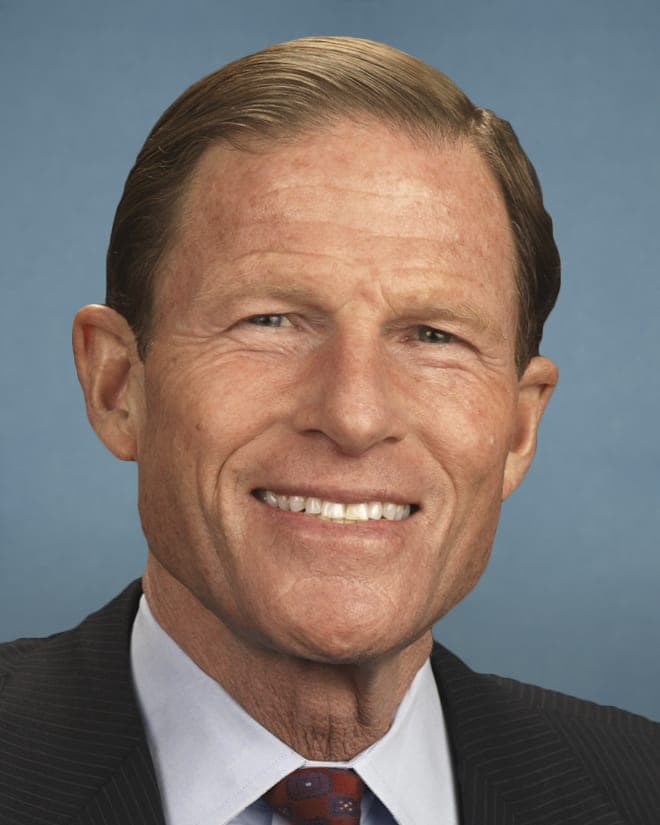
No good or bad look here
This story reports what happened without casting Blumenthal in a good or bad light, so readers don’t rate it and it doesn’t count toward Blumenthal’s record.
People in this story
SWIPE →Senator whose proposed federal AI regulations are criticized
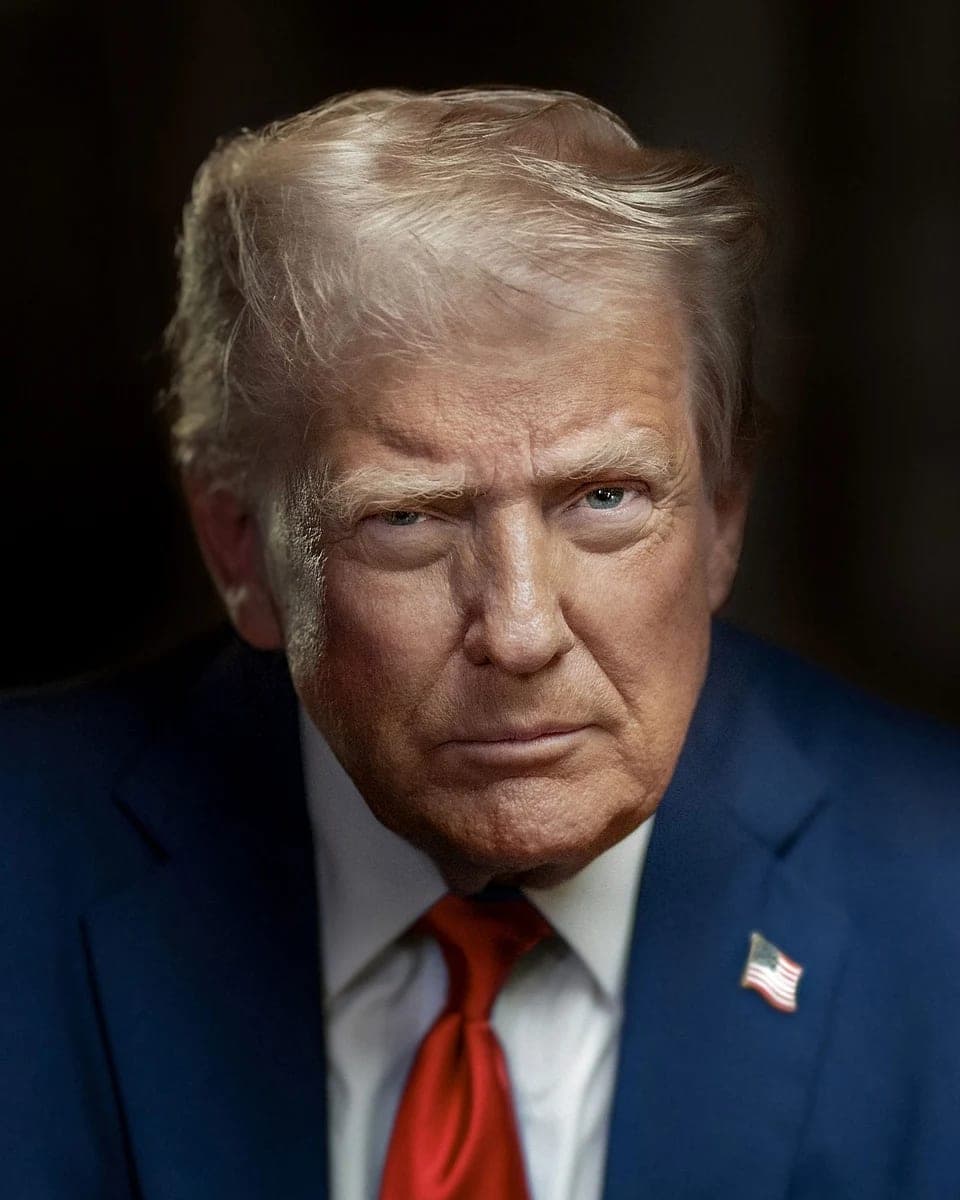
The administration’s position on AI regulation is described
Discussion · 0
Loading comments…