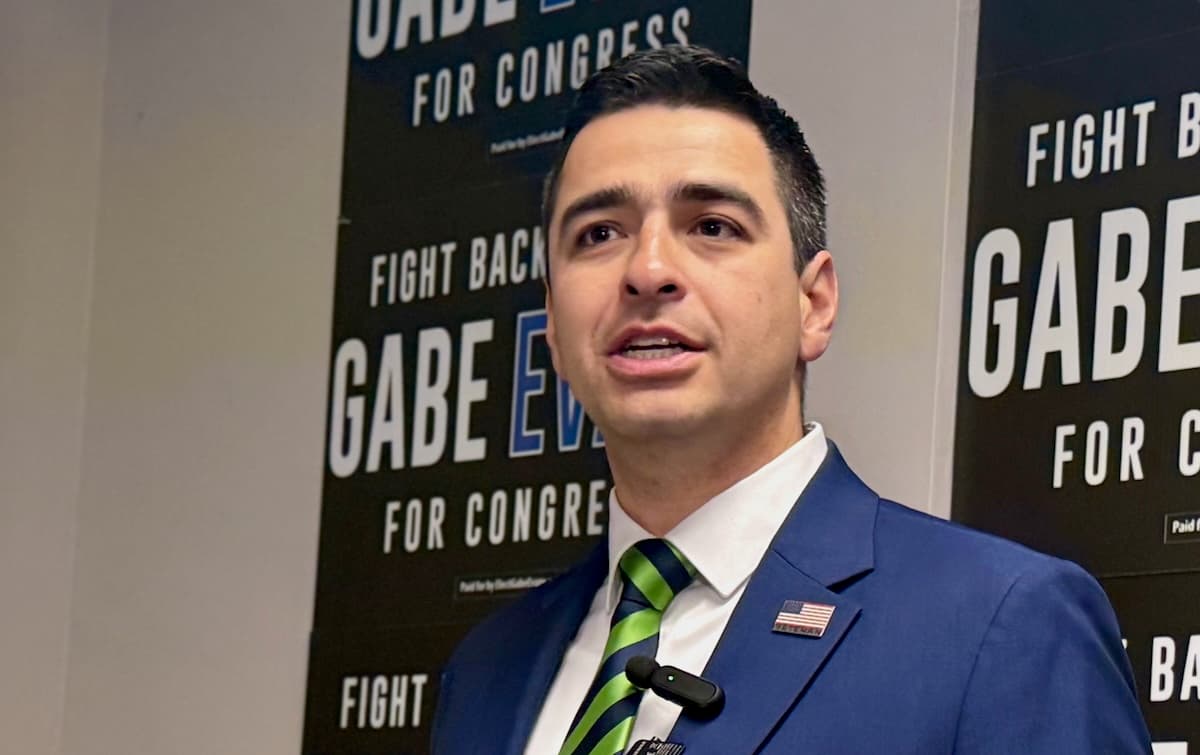
Evans rips Dems for blocking data center bill foes say ‘has no teeth’
Hickenlooper said the bill would not prevent families from paying data centers’ added utility costs.
SOURCE CHECK
TAP FOR WHYColorado Politics is an established regional news outlet, and this article is attributed to a named reporter. The article presents competing lawmakers’ statements and describes the bill’s provisions, though it offers limited independent sourcing beyond those statements.
- Editorial standards — The report gives opposing views and explains the measure’s mechanism, but relies substantially on lawmakers’ statements.
- Source type — Established regional news outlet with a local and state political focus.
- Author attribution — A named reporter is credited.
The article reports the Senate vote, identifies the Colorado senators’ positions, and explains what the bill would and would not require. It includes arguments from Evans and Hickenlooper, but relies mostly on their claims and does not include independent expert or stakeholder perspectives.
HOW WE SCORE ↗The article includes opposing arguments and describes the bill’s actual requirements, giving readers a basis to assess the lawmakers’ claims. It does not include independent experts or other affected parties.
- Counterarguments presented — Evans’s support for the bill and Hickenlooper’s criticism are both represented.
- Source diversity — The account chiefly relies on statements from the two lawmakers rather than a wider range of sources.
- Omitted context — The bill’s limits are explained, but there is little independent analysis of likely effects.
The report describes the dispute using statements from both Evans and Hickenlooper and does not clearly favor either side. Its account of the bill’s limited requirements provides context for the competing claims.
- Source selection — Includes statements from both a Republican supporter and a Democratic opponent of the bill.
- Language tone — Mostly straightforward reporting, with charged phrases presented as attributed quotations.
- Framing — Explains both the bill’s provisions and the disagreement over whether they would protect ratepayers.
The Senate failed to advance the Ratepayer Protection Act on a 57-43 procedural vote. Rep. Gabe Evans criticized Democrats for opposing it, while Sen. John Hickenlooper argued the bill would not adequately protect families from data-center-related utility costs.
The Senate fell short of the 60 votes needed to advance the Ratepayer Protection Act. Colorado Sens. Michael Bennet and John Hickenlooper voted against moving it forward; the measure had passed the House earlier in the month with Evans as a prime sponsor. The bill gives state utility regulators two years to consider adopting federal standards for data centers to cover the added costs of related infrastructure, but does not require them to do so.
Evans accused Senate Democrats of putting politics ahead of ratepayers and criticized Hickenlooper for voting against the measure. Hickenlooper said the bill “has no teeth,” and argued that a Democratic amendment would have required large new power users to pay their fair share. The two lawmakers also traded accusations over the bill’s effects on consumers and data centers.
Community verdict
11 VOTES
People in this story
SWIPE →Senator who opposed advancing the bill and criticized its protections for ratepayers.
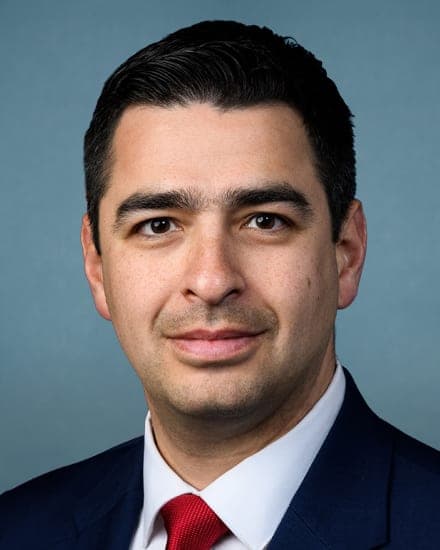
Representative and prime sponsor of the Ratepayer Protection Act; criticized Senate Democrats for blocking it.
Evans's version of this story ↗
Senator who voted against moving the bill forward.

Democratic nominee challenging Evans in Colorado’s competitive House district.
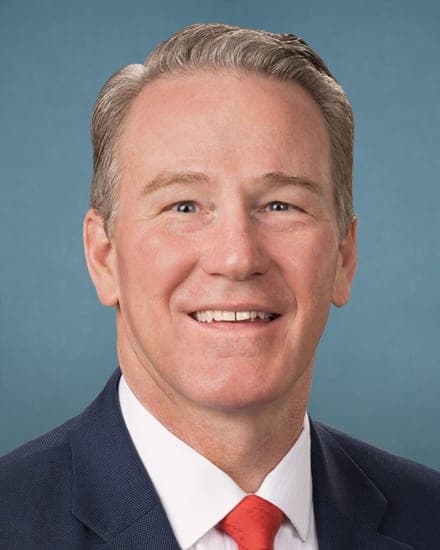
Senator and Senate sponsor of the bill; seeking reelection in Ohio.

Former senator seeking to unseat Husted in Ohio.
Discussion · 0
Loading comments…