GOP conspiracy theories run wild after Lindsey Graham's death
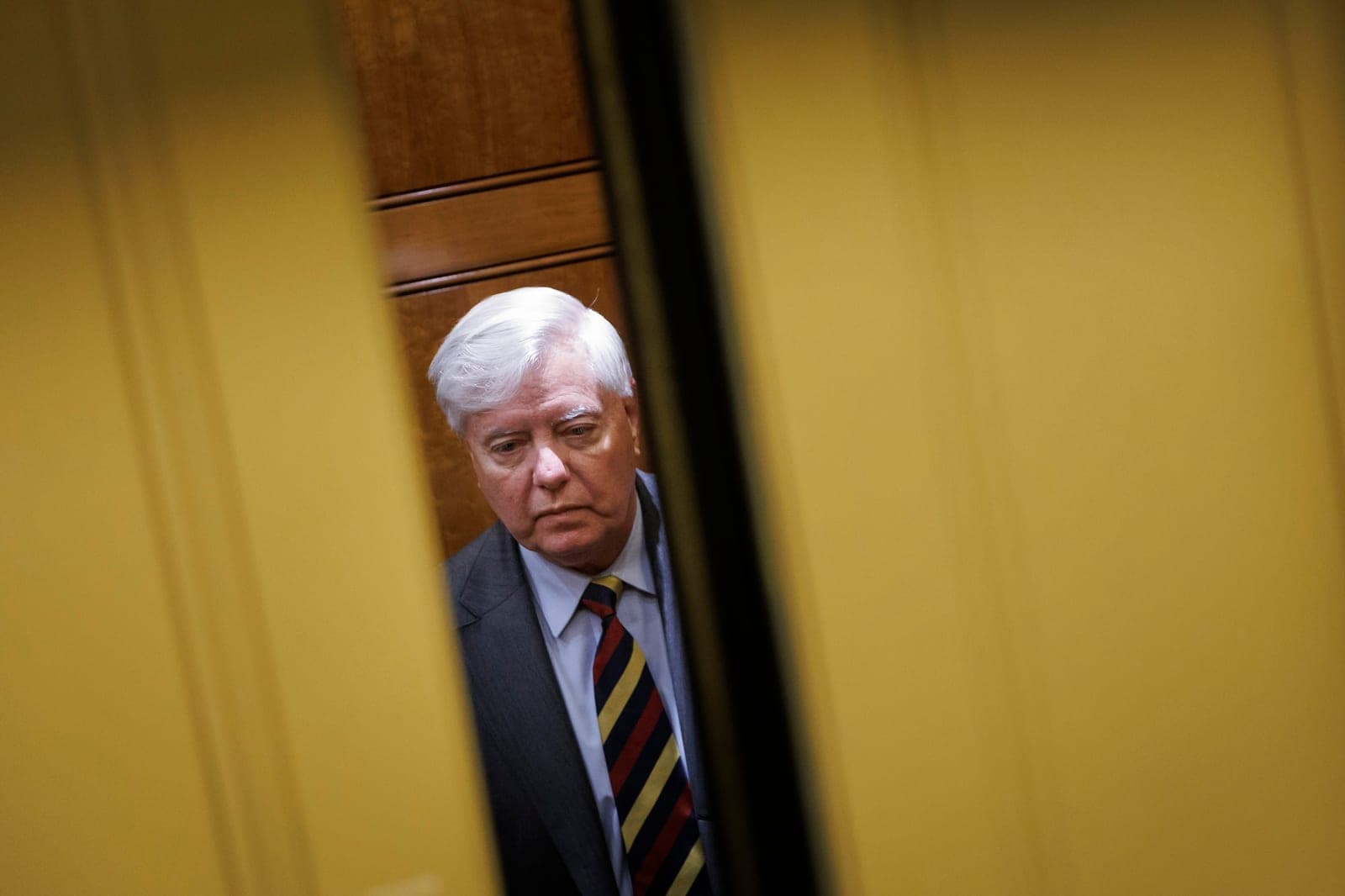
Conspiracy theories about Graham’s death spread after he had recently been in Ukraine advocating sanctions against Russia.
SOURCE CHECK
TAP FOR WHYCNN is an established national news organization, and the article names its author and attributes key claims and quotations. The article draws on public statements, social media posts and a poll, though it relies substantially on online commentary and does not independently establish the truth of every claim it recounts.
- Source type — Established national news outlet with a substantial record of original reporting.
- Author attribution — The article names Aaron Blake as its author.
- Transparency — It identifies public statements and a poll but provides limited detail on verification of social media claims.
The article uses named sources, direct quotations, official statements and a poll to document the spread of the claims. Its account is specific and gives some relevant context, but many of the claims are sourced to social media posts and the article offers limited evidence about how widely the theories are believed.
HOW WE SCORE ↗The article reports different Republican responses, including calls for transparency and Trump’s dismissal of the theories, and gives context for some uncertainty. However, most of its attention is on the spread of the claims and the limited efforts to counter them, with little extended presentation of arguments from those promoting them.
- Counterarguments presented — Reports Trump’s rejection of conspiracy theories and statements from senators, but does not deeply examine defenses of those who promoted them.
- Source diversity — Draws on officials, commentators, activists, social media posts and polling.
- Loaded language — Some evaluative terms are used, though they are generally tied to the article’s characterization of claims as unfounded.
- Omitted context — Notes uncertainty about public belief in the theories but provides limited broader context on the people spreading them.
The article’s framing is critical of conspiracy theories promoted by conservative and MAGA figures and of Republican leaders’ response to them. It does include statements from Trump and Republican senators, but the overall emphasis is on the party’s role in allowing such claims to spread.
- Framing — Presents the theories as part of a broader pattern within the GOP and MAGA movement.
- Language tone — Uses critical descriptions such as “baseless” and “in-your-face campaign” for the conspiracy claims.
- Source selection — Includes statements from Republican officials, but focuses on claims and responses that illustrate the spread of conspiracy theories.
Sen. Lindsey Graham’s death prompted conspiracy theories among conservative figures, while the article also examines similar claims about Sen. Mitch McConnell’s absence and earlier attacks. President Donald Trump rejected theories about Graham’s death, while some Republicans called for more information.
The article describes conspiracy theories about Sen. Mitch McConnell’s absence and Sen. Lindsey Graham’s death, tracing claims by conservative activists and commentators. It reports that McConnell’s office later said he had fallen, been briefly unconscious and developed pneumonia, and released a hospital photo; some figures questioned the photo or McConnell’s condition.
After Graham died, some commentators speculated about foreign involvement, while Sen. John Cornyn called for a toxicology report to rule out foul play. President Donald Trump dismissed the theories and said the FBI was wasting its time. The article connects these claims to earlier conspiracy theories about the killings of Charlie Kirk and assassination attempts against Trump, while noting that the extent of belief in the theories remains unclear.
Community verdict
VOTING CLOSED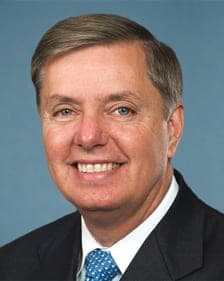
No good or bad look here
This story reports what happened without casting Graham in a good or bad light, so readers don’t rate it and it doesn’t count toward Graham’s record.
People in this story
SWIPE →Senator whose death prompted conspiracy theories

Former Trump counterterrorism official cited among people who questioned the Trump assassination attempt
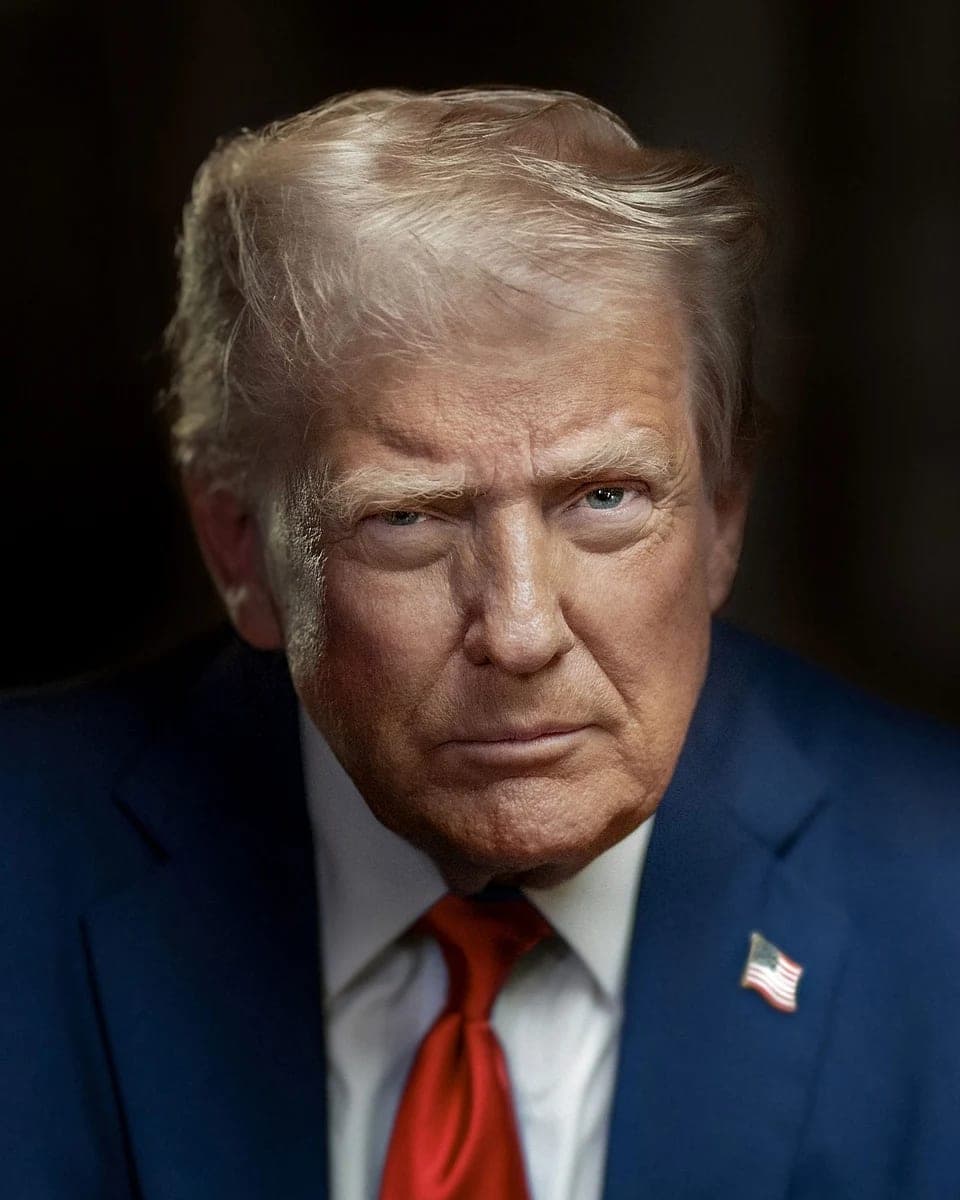
President who dismissed theories about Graham’s death
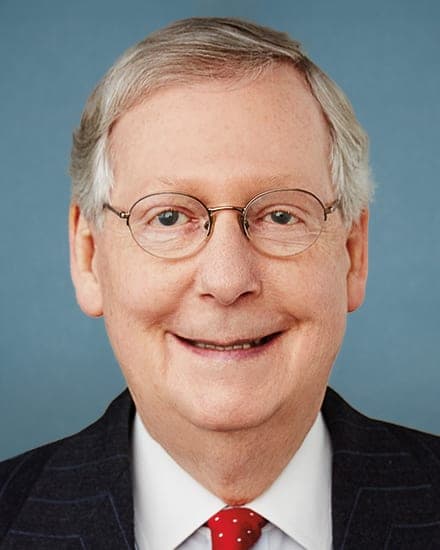
Senator whose absence and health prompted conspiracy theories
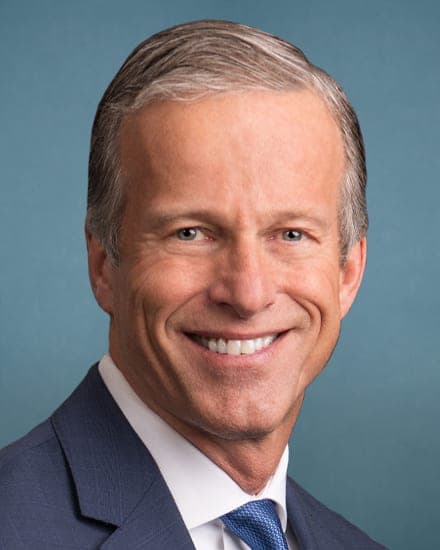
Senate majority leader who commented on speculation about McConnell
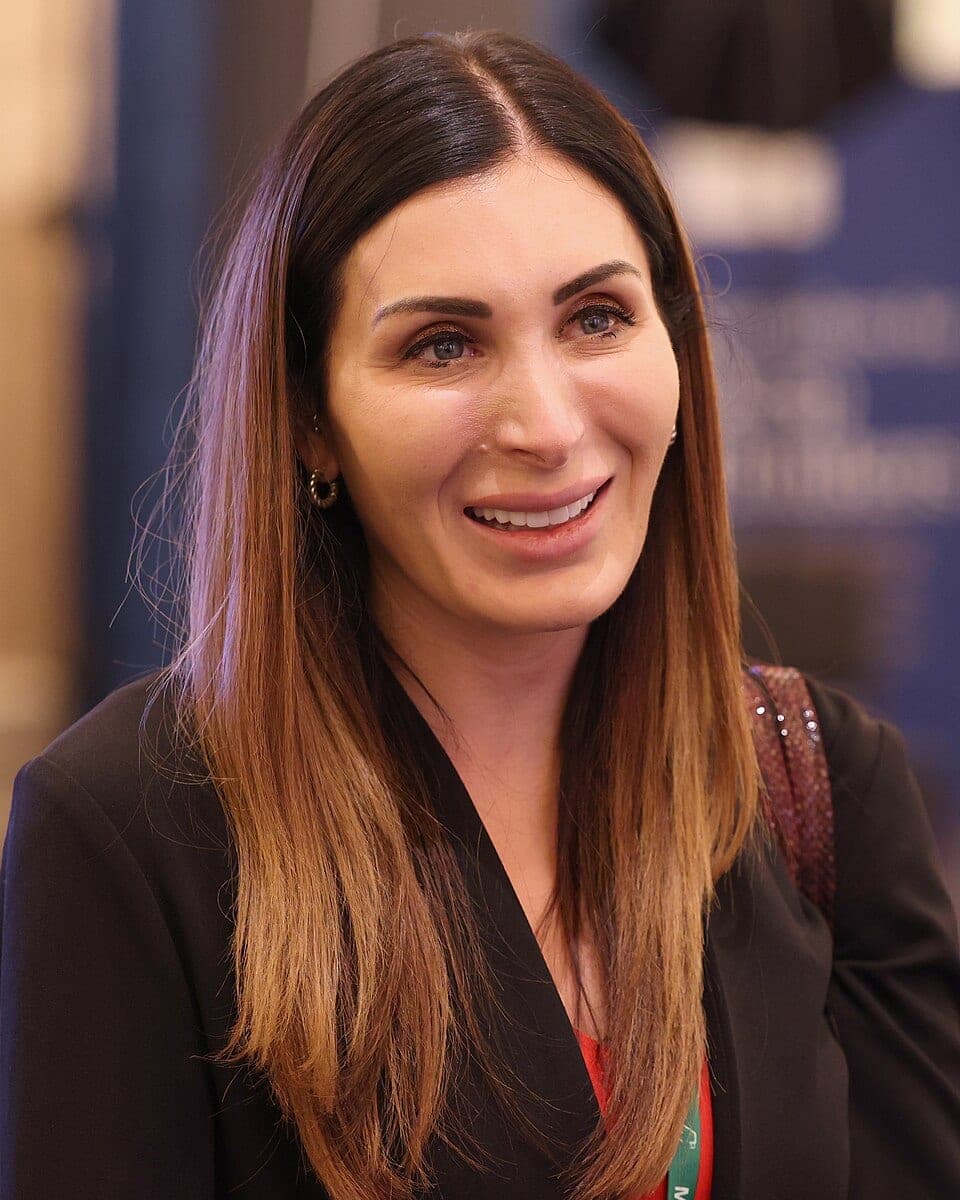
Activist who promoted claims about McConnell and Graham
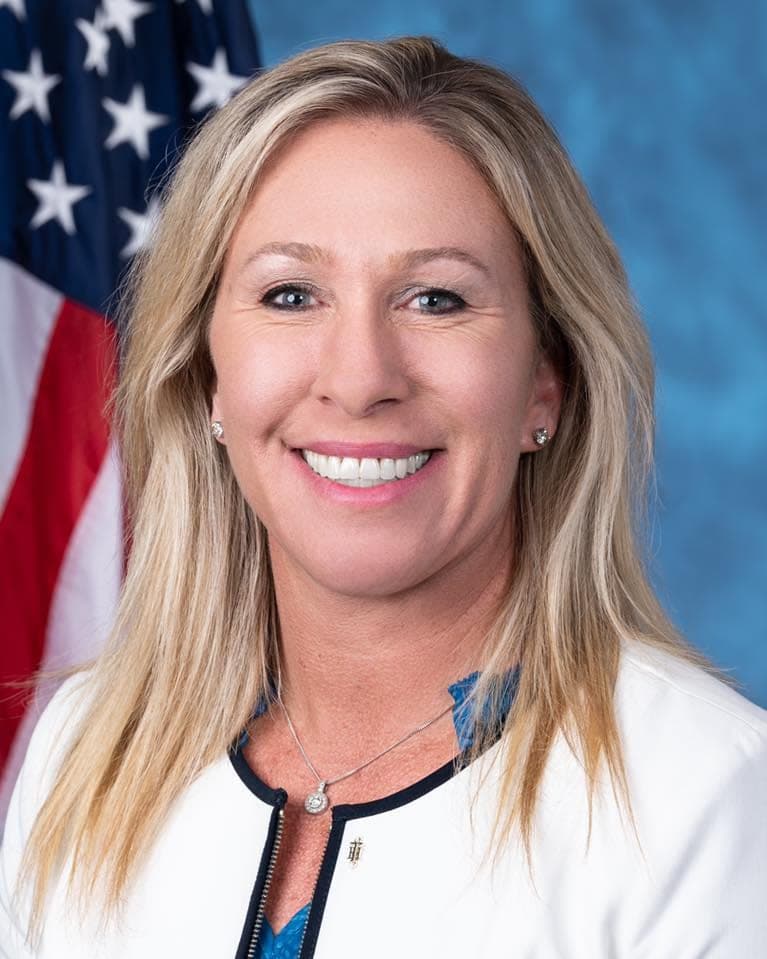
Former representative cited among people who questioned the Trump assassination attempt
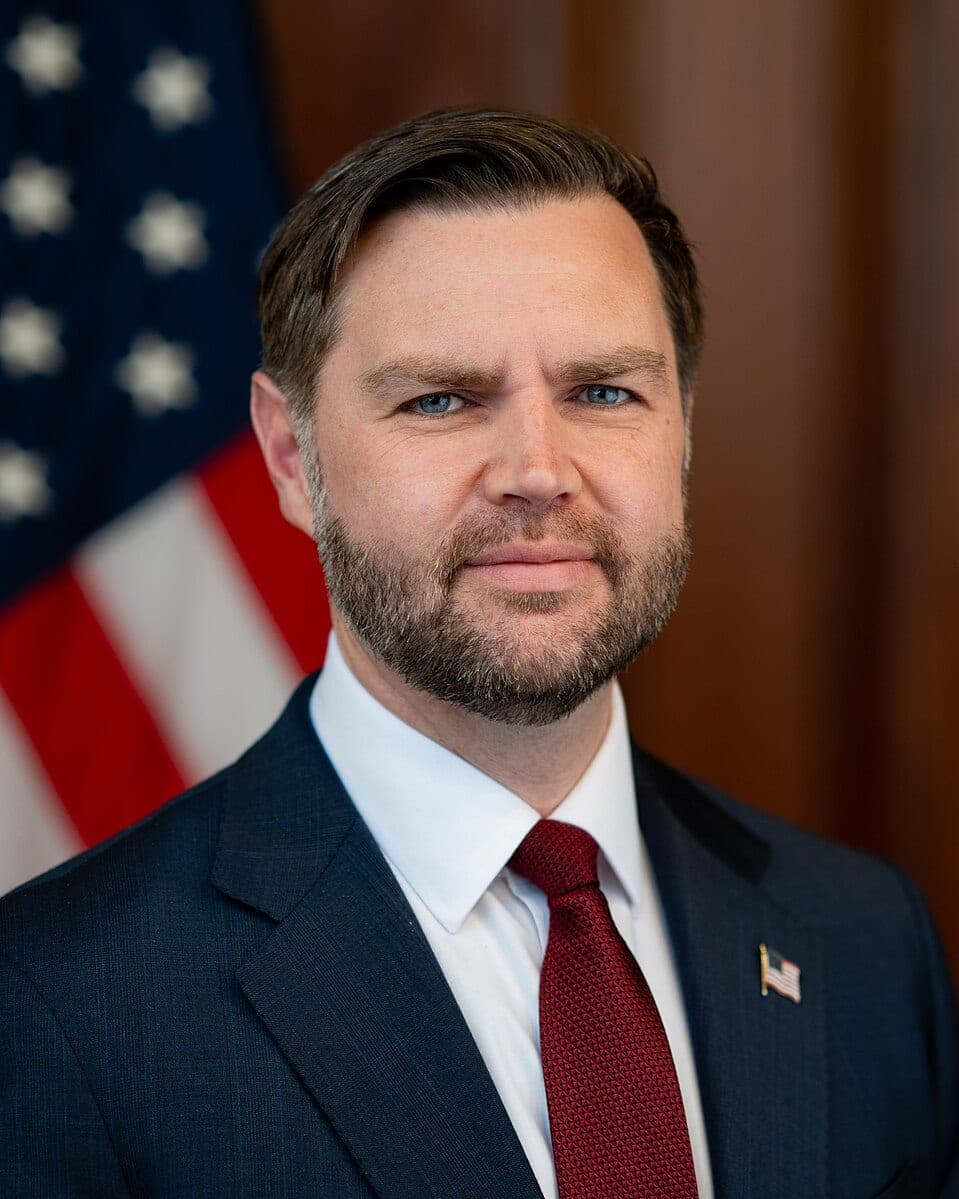
Vice president mentioned in connection with Carlson

Representative asked whether McConnell was alive
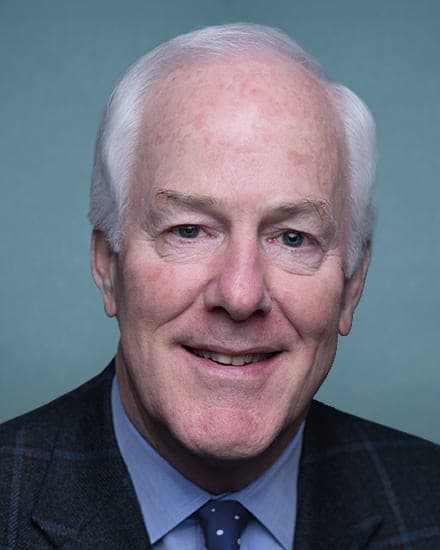
Senator who called for transparency about McConnell and a toxicology report after Graham’s death
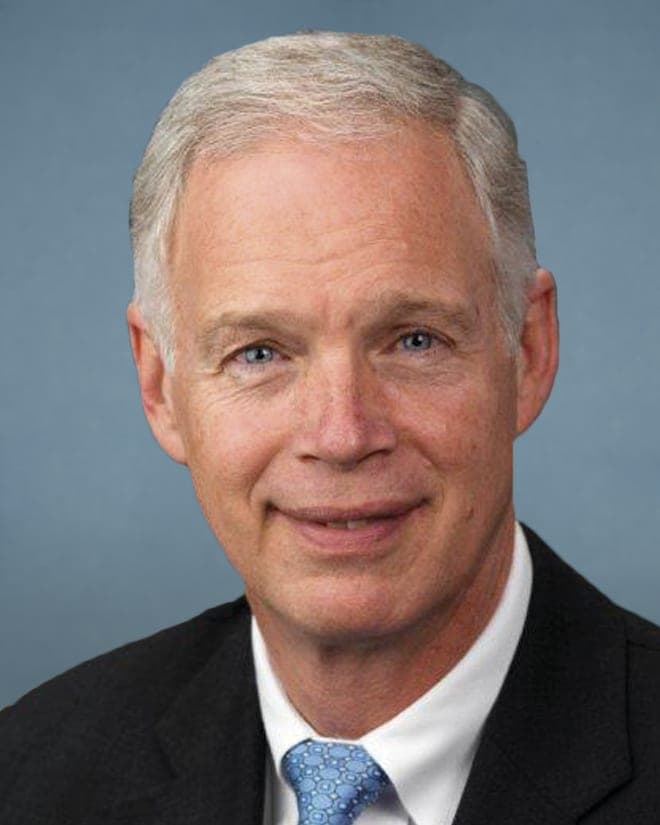
Senator who questioned the date of McConnell’s hospital photo
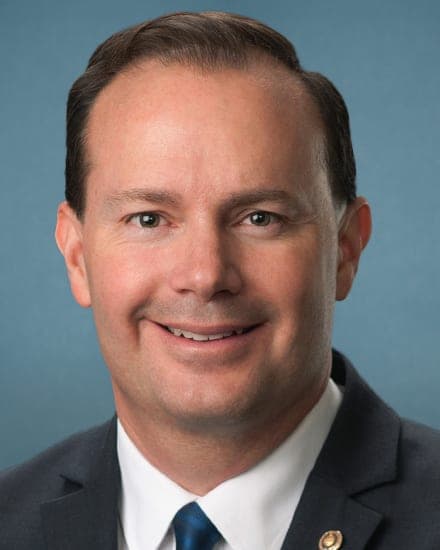
Senator who responded to claims about McConnell
Part of a bigger story
9 OUTLETSOutlets agree that former Senator Lindsey Graham died suddenly, prompting widespread online speculation and conspiracy theories about his death despite official reports pointing to natural medical causes. Left-leaning outlets focus on FBI Director Kash Patel, arguing his public statements fueled right-wing conspiracy theories. Center outlets examine how social media drives broader suspicion, contrasting unsupported claims with official medical findings. Right-leaning outlets, exemplified by the Washington Examiner, describe how public figures get trapped in speculative question-asking cycles.
- ARTICLES
- 9
- OUTLETS
- 9
- AVG CRED
- 65
Discussion · 0
Loading comments…