Analysis: Populist politicians take a page out of Trump's playbook
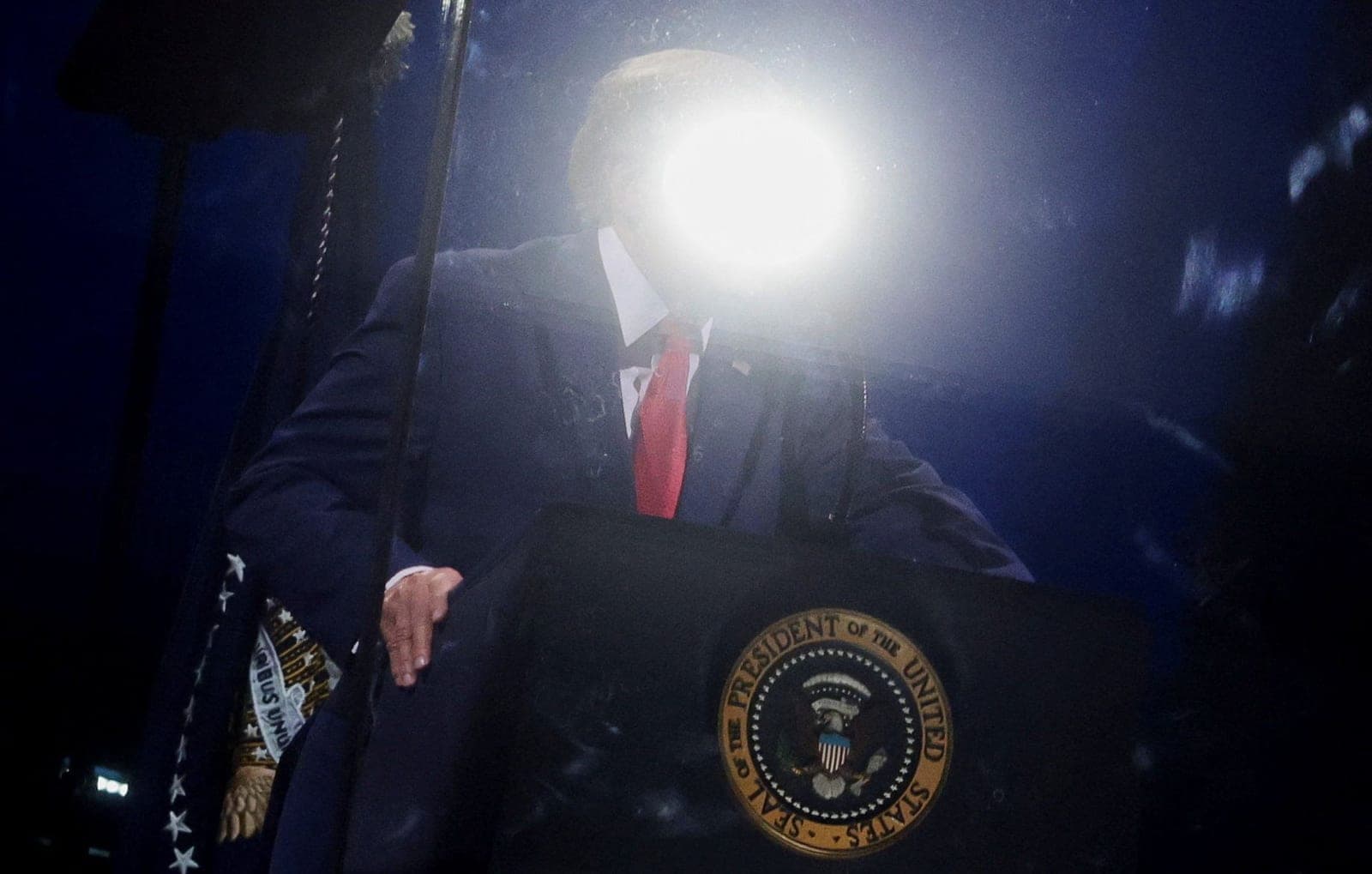
The article describes Trump’s past use of political-persecution claims as a playbook adopted by other populists.
SOURCE CHECK
TAP FOR WHYCNN is an established national news organization with identifiable authors and editorial processes. This analysis attributes key allegations and statements to named people and sources, though its interpretive framing is more prominent than document-based reporting.
- Source type — Established national news outlet with a substantial reporting operation.
- Editorial standards — CNN has institutional editorial standards and publishes reported analysis.
- Author attribution — A named author is credited.
- Transparency — The article identifies quoted speakers and names other reporting sources.
The article includes direct quotations, identifies the sources of key allegations, notes denials, and compares examples across several countries. It offers a clear analytical thesis but relies substantially on interpretation and provides limited direct evidence or counterargument from the people whose conduct it critiques.
HOW WE SCORE ↗The article acknowledges genuine public discontent and includes politicians’ denials and statements, but its central analysis is skeptical of their explanations and does not develop their counterarguments in depth.
- Counterarguments presented — Includes denials by Platner and Farage and quotes their claims of establishment pressure.
- Source diversity — Draws examples from several countries and political movements, but offers few independent voices beyond the author's analysis.
- Loaded language — Some interpretive wording, including “cult of victimhood” and “political escapology,” signals a skeptical stance.
- Opinion vs reporting — Presented as analysis, with factual reporting supporting an explicit interpretation.
The article is critical of populist politicians’ use of persecution claims, including figures on both the left and right. Its language is evaluative, but the criticism is not confined to one US party.
- Language tone — Uses critical descriptions such as a “cult of victimhood” and questions whether leaders are exploiting public frustration.
- Framing — Frames the examples as politicians using allegations and scrutiny to protect themselves.
- Source selection — Includes statements from the politicians discussed but centers the author's cross-national interpretation.
The article examines how populist politicians, including Senate candidate Graham Platner, portray personal crises and allegations of wrongdoing as attacks by political elites. Platner left Maine’s Senate race after allegations he denies, while Nigel Farage and Marine Le Pen also cast scrutiny of their conduct as establishment persecution.
The article argues that populist politicians can turn allegations and personal political crises into claims that powerful elites are targeting them. It describes Graham Platner’s departure from the Maine Senate race after a woman accused him of rape; Platner denies the allegation and said political-establishment pressure was behind his exit. The article also says two women went public with allegations about him, which he denies.
The article compares Platner’s response with Donald Trump’s past claims of political persecution, Nigel Farage’s response to questions about gifts and an investigation by Parliament’s standards watchdog, and Marine Le Pen’s characterization of her legal troubles. It says these politicians draw on public frustration with established political leaders, while questioning whether they use that frustration to shield themselves from accountability.
Community verdict
VOTING CLOSED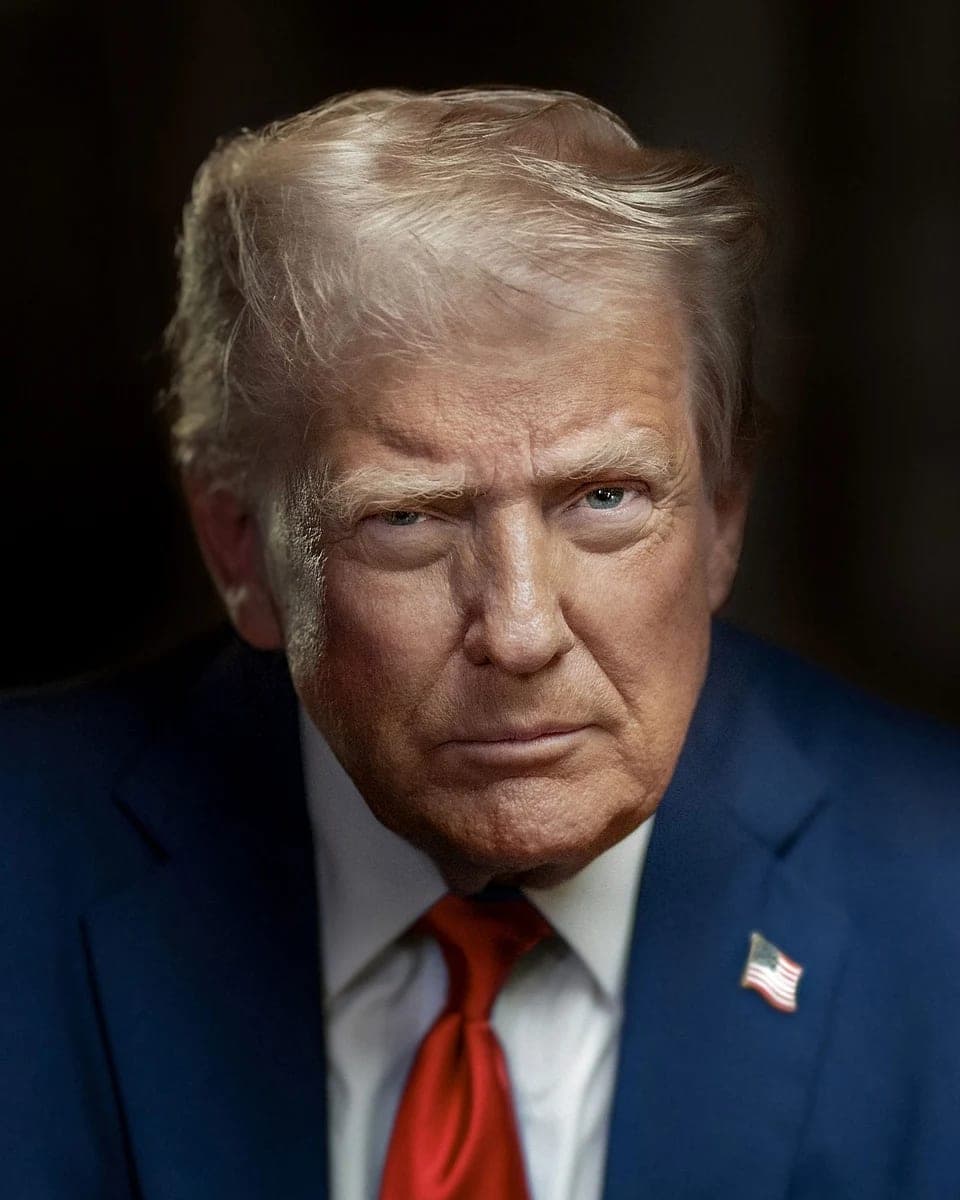
No good or bad look here
This story reports what happened without casting Trump in a good or bad light, so readers don’t rate it and it doesn’t count toward Trump’s record.
People in this story
SWIPE →President whose political-persecution strategy is presented as a model for other populists

Senate candidate who left the Maine race after allegations of sexual assault and dating violence
Platner's version of this story ↗
Senator whose past presidential campaigns are cited as an example of left-wing economic populism
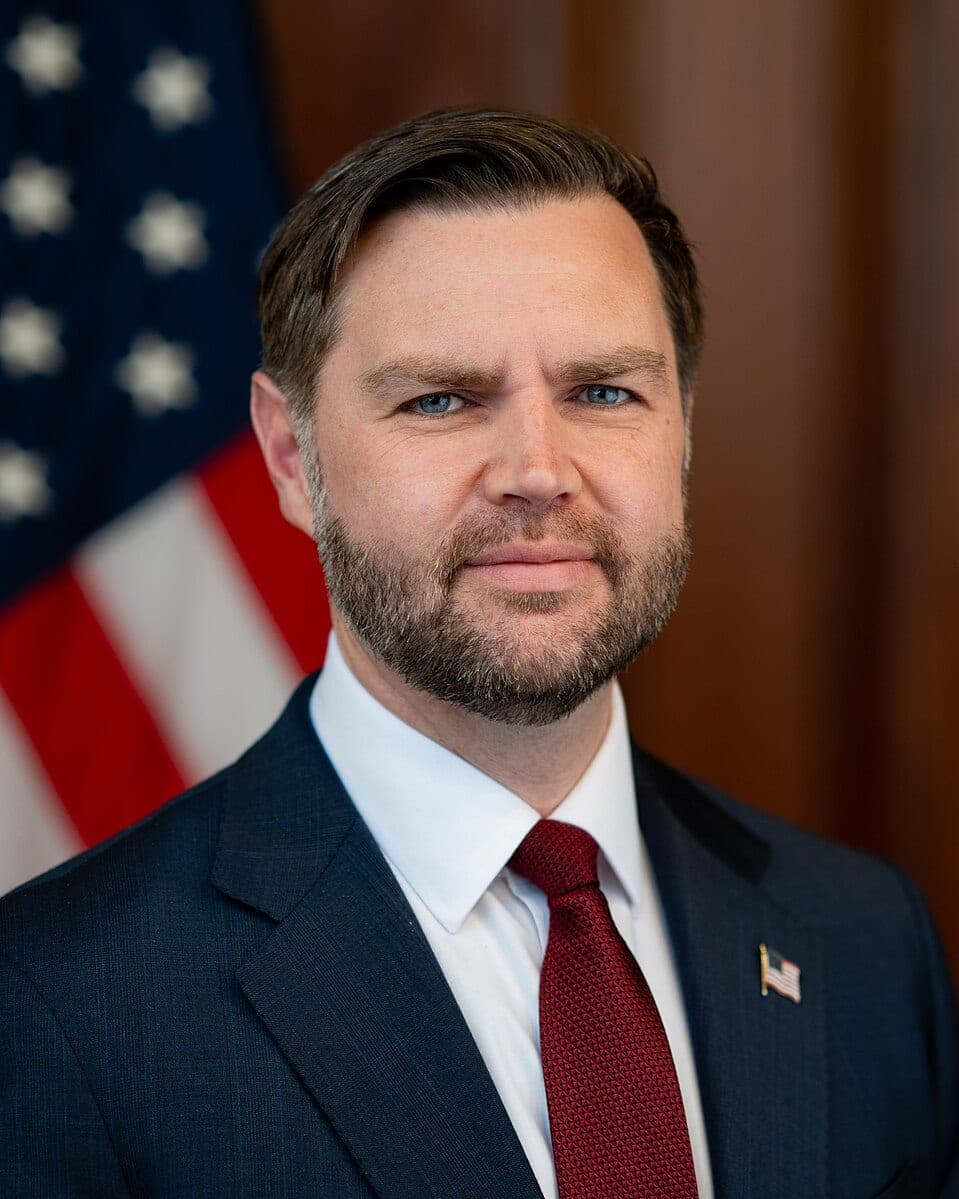
Vice president cited as a US supporter of leaders in the renewed populist wave
Discussion · 0
Loading comments…