Trump got revenge on his Republican critics. Here's why that could backfire
Trump’s effort to oust Republican critics could leave them freer to oppose his congressional agenda.
SOURCE CHECK
TAP FOR WHYCBC is an established public broadcaster with a substantial news operation and identifiable reporting staff. The article names its correspondent and includes a correction, both of which support transparency and accountability.
- Track record — Established national public broadcaster with a longstanding news operation.
- Author attribution — The article names its correspondent and provides biographical information.
- Correction history — A correction is displayed for a prior error in the story.
- Editorial standards — The publisher is a professional newsroom, though specific standards are not detailed in this article.
The analysis grounds its argument in recent election outcomes, a Senate vote and attributed remarks from lawmakers and a named political management professor. It gives limited space to arguments in favor of Trump’s approach and offers little independent detail on the consequences it predicts.
HOW WE SCORE ↗The article includes Trump’s brief response, statements from Republican lawmakers and an expert’s assessment, alongside the consequences critics anticipate. It does not develop a substantial counterargument for Trump’s strategy.
- Counterarguments presented — Trump’s response is included, but there is little explanation of the case for his actions.
- Source diversity — The piece quotes an expert and several Republican officials, including Trump.
- Loaded language — “Revenge campaign” and “purge” convey a critical frame.
- Opinion vs reporting — The piece is labeled analysis and distinguishes forecasts from reported events.
The analysis uses critical terms such as “revenge campaign” and “purge” and emphasizes risks to Trump’s agenda. It includes Trump’s response and presents the argument as an analysis rather than a partisan appeal.
- Language tone — Terms such as “revenge campaign” and “purge” frame Trump’s actions critically.
- Framing — The story centers on possible political costs for Trump and his agenda.
- Source selection — It includes a named expert and remarks from Trump and Republican lawmakers, but little defense of the strategy.
Republican voters blocked Thomas Massie and Bill Cassidy from seeking re-election on the party ticket, after Donald Trump campaigned against them. The article says their remaining months in Congress could give them room to challenge his agenda; Cassidy has already voted to advance a measure on military action in Iran.
Trump backed efforts to oust Republican critics Massie and Cassidy from their party’s tickets, and endorsed a challenger to Texas Sen. John Cornyn. The article argues the defeats could leave lawmakers with less reason to accommodate Trump while they still hold their seats, potentially complicating his legislative and spending agenda in a Congress with narrow Republican majorities.
Cassidy voted with Democrats for a resolution seeking to halt further military action in Iran without congressional approval, and voiced concerns about a proposed compensation fund and Trump’s request for ballroom security funding. Massie said in his concession speech that he had seven months left in Congress. A political management professor told CBC that Trump’s approach could shrink his coalition and that defeated lawmakers might retaliate.
Community verdict
27 VOTES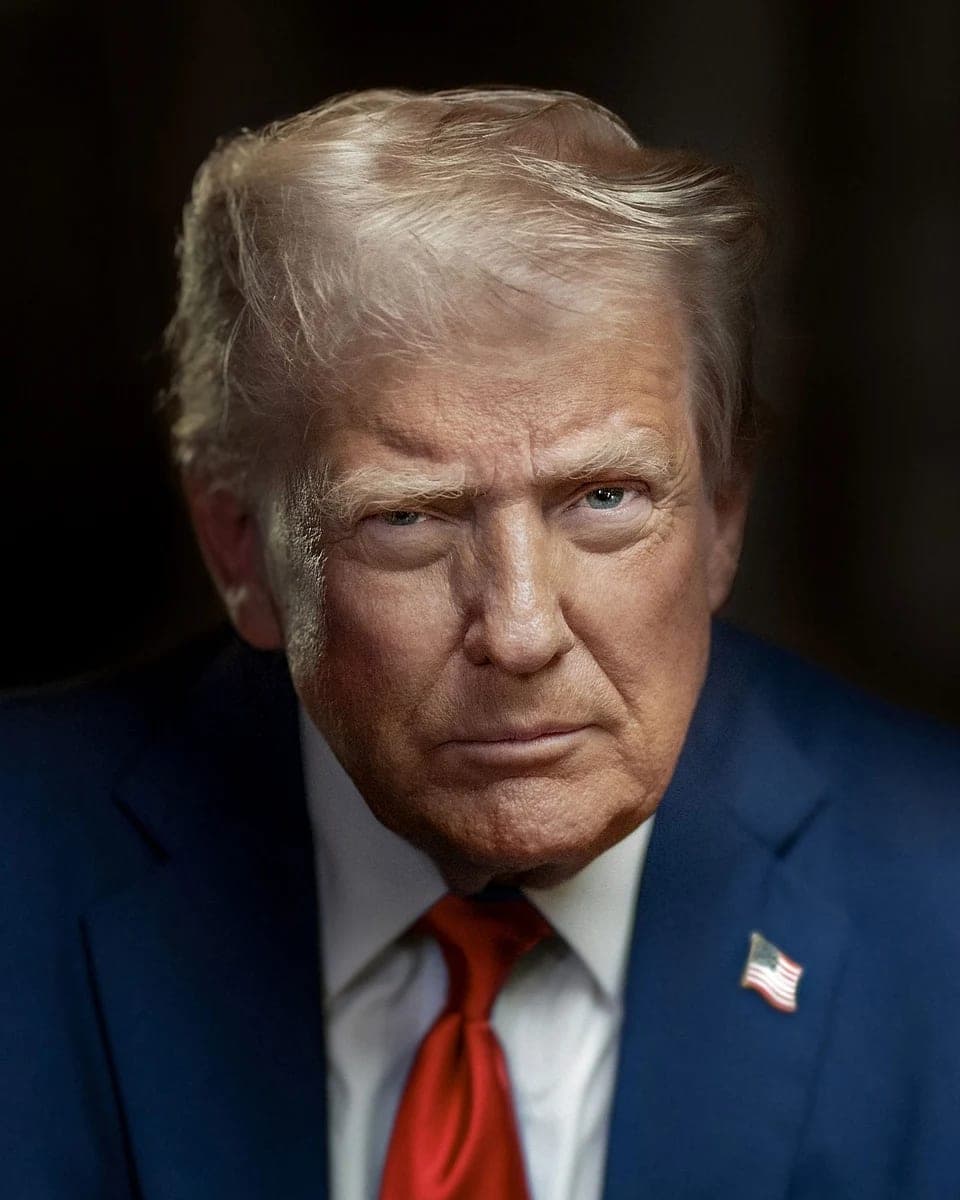
People in this story
SWIPE →President who campaigned against Republican critics and endorsed a challenger to John Cornyn

Kentucky representative who lost the Republican nomination and has months remaining in Congress
Massie's version of this story ↗
Louisiana senator who lost the Republican nomination and voted for an Iran war-powers resolution
Cassidy's version of this story ↗
Maine senator cited as an occasionally rebellious Republican
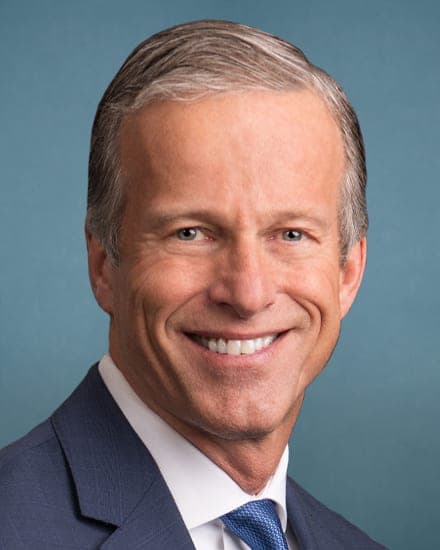
Senate majority leader who warned that targeting senators could complicate the Republican agenda

Alaska senator cited as an occasionally rebellious Republican
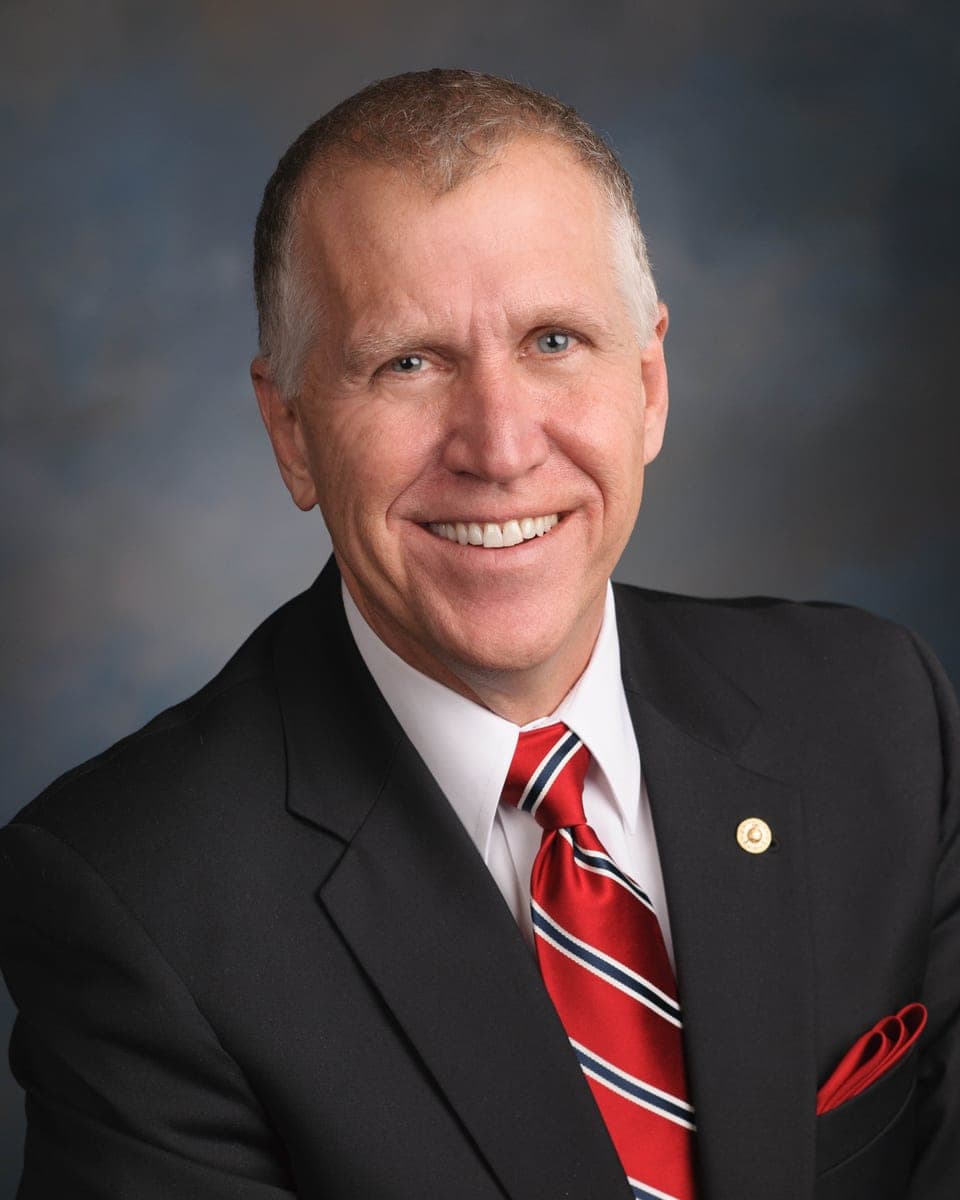
North Carolina senator cited as an example of Republican willingness to defy Trump
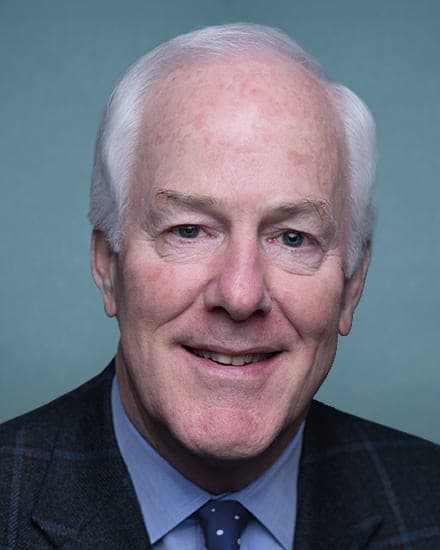
Texas senator whose Republican primary challenger was endorsed by Trump
Part of a bigger story
17 OUTLETSThomas Massie lost Kentucky's Republican primary to Trump-backed Ed Gallrein, and Bill Cassidy finished third in Louisiana's Republican Senate primary. Left-leaning outlets emphasize Trump's campaign against Massie and consider whether defeating Republican dissenters could backfire, while also treating the result as a test of his influence. Center outlets focus on Trump's influence in GOP primaries and the fallout, including Senate Republicans' response and whether departing lawmakers may challenge his agenda. Right-leaning outlets stress Trump's strength in primaries and present Massie's race as a test of whether the Tea Party's small-government politics survived his rise.
- ARTICLES
- 17
- OUTLETS
- 17
- AVG CRED
- 71
Discussion · 0
Loading comments…