Rocklin Congressman aims to chart an 'independent' course if reelected in District 6
Kiley explained his independent approach and defended his congressional record in an interview about his reelection campaign.

SOURCE CHECK
TAP FOR WHYCapRadio is an established regional public-radio newsroom, and the article identifies its interview host and reporters. The piece is transparent that it presents edited interview highlights, though it relies heavily on Kiley’s account of his record and his opponent.
- Source type — Established local public-radio outlet with a regional reporting focus.
- Author attribution — Three reporters and the interview host are identified.
- Editorial standards — The article identifies the material as edited interview highlights.
- Source diversity — Most claims and policy descriptions come from Kiley; Pan’s interview is noted but not included.
The interview gives readers Kiley’s account of his votes and campaign positions, while the host poses challenging questions and the article attributes external information to other sources. It offers limited independent verification or a substantive response from Pan within the article.
HOW WE SCORE ↗The host raises questions about Kiley’s party switch, record and support for H.R. 1, but the article primarily presents Kiley’s responses. Pan’s views are not presented here, although the article notes that he was interviewed separately.
- Counterarguments presented — Questions challenge Kiley on several points, but Pan’s response is not included.
- Source diversity — Kiley is the only interviewee whose answers appear in the article.
- Opinion vs reporting — The article presents interview excerpts and attributes the claims to Kiley.
- Loaded language — The article’s own narration is generally neutral.
The interview uses straightforward questions and presents Kiley’s answers without an evident partisan verdict. Its focus on one candidate’s account limits the range of perspectives but does not by itself establish a political lean.
- Language tone — Mostly neutral interview language, with no sustained loaded wording by the article.
- Framing — The piece is framed around Kiley’s explanation of his independent course and record.
- Source selection — Kiley is the interview subject; the article notes a separate Pan interview but does not include it.
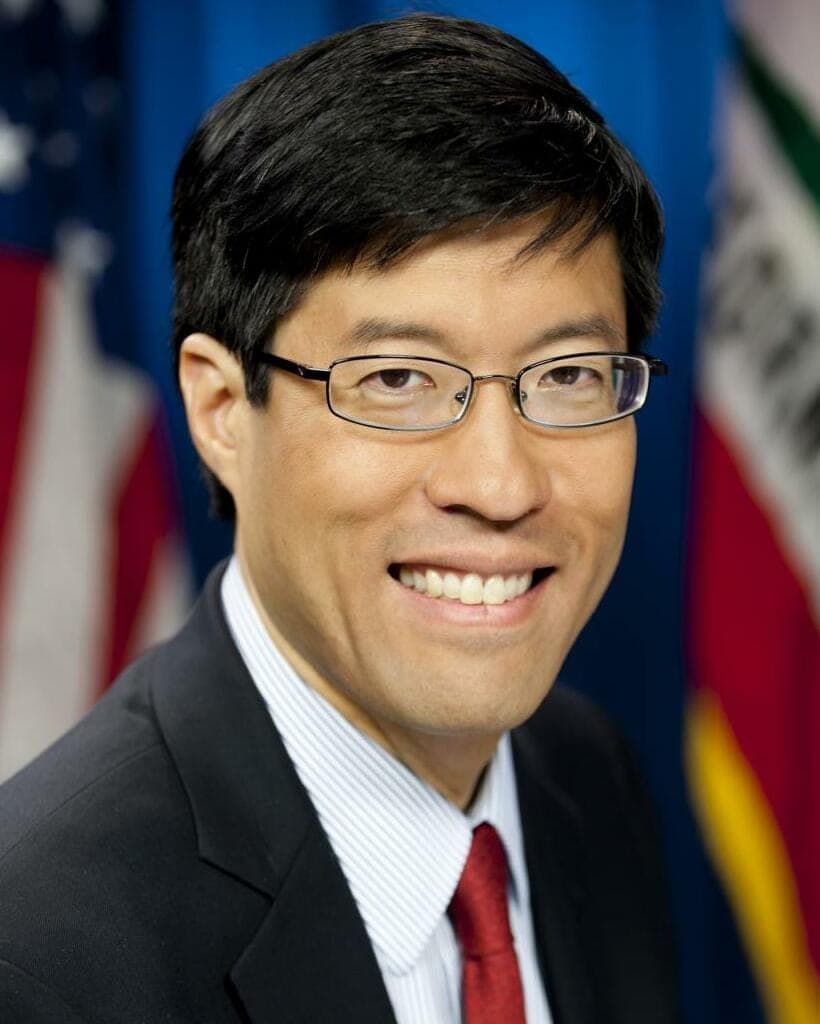
In an interview about California’s new 6th Congressional District, Rep. Kevin Kiley described his independent approach and defended his record as he seeks reelection against Richard Pan. Kiley discussed his votes and policy positions, and criticized Pan for not participating in televised debates.
The article describes the reshaped California 6th District and the November race between Kiley, who represents the 3rd District and changed his affiliation from Republican to No Party Preference, and Democratic candidate Richard Pan. Kiley said he wants to put partisanship aside and represent his home district. He also said he does not expect or seek President Trump’s endorsement.
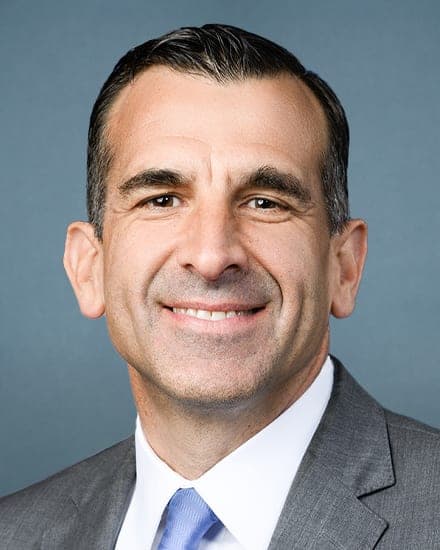
Kiley discussed his votes on tariffs, immigration enforcement funding, Iran war funding and H.R. 1. He said he supported H.R. 1 while opposing other measures, and argued that he helped prevent proposed Medicaid cuts. He also described his effort with Rep. Sam Liccardo to extend Affordable Care Act subsidies. Kiley said Pan had refused televised debate invitations; the article notes that the program interviewed Pan on September 14.
Community verdict
VOTING CLOSED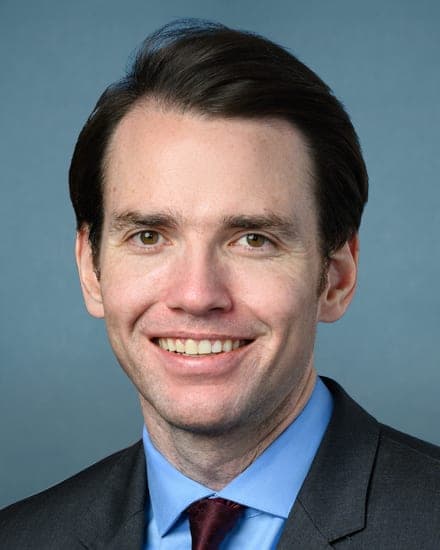
No good or bad look here
This story reports what happened without casting Kiley in a good or bad light, so readers don’t rate it and it doesn’t count toward Kiley’s record.
People in this story
SWIPE →Representative and candidate for California’s 6th Congressional District
Democratic candidate for California’s 6th Congressional District

President whose administration and policies are discussed in Kiley’s interview
Representative who co-introduced the Fix It Act with Kiley
Discussion · 0
Loading comments…