Political AI campaigns targeted by California Democrats
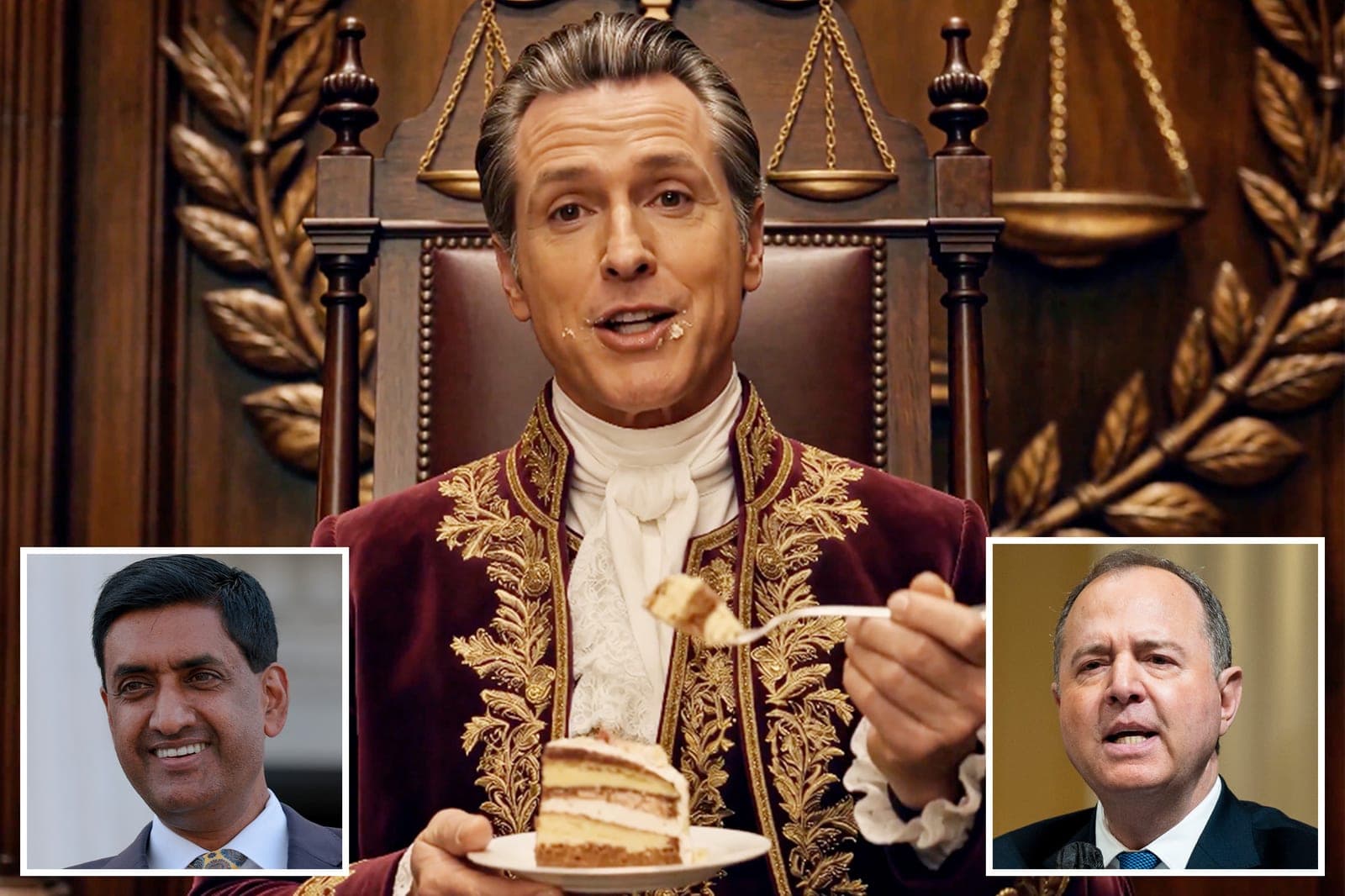
Schiff reintroduced legislation to restrict fraudulent AI impersonation in federal campaigns.
SOURCE CHECK
TAP FOR WHYThe publisher is an established national news organization with an identifiable reporter, though its tabloid style and limited transparency about correction practices warrant a score below the strongest papers of record. The article provides specific details and attributed statements.
- Source type — A recognizable national news outlet, with a tabloid-oriented editorial identity.
- Author attribution — A named reporter is credited.
- Editorial standards — The article includes attributed quotations and concrete descriptions, but the material available offers limited evidence about its standards.
- Transparency — The publisher and author are identifiable; correction practices are not established here.
The report gives specific provisions, quotes both lawmakers, and adds context on state laws, bipartisan recommendations, and the bill’s prospects. It includes no opposing lawmakers or critics of the proposal, so the range of perspectives is limited.
HOW WE SCORE ↗The report explains the bill’s provisions and limits and notes its bipartisan policy background, but offers no direct views from lawmakers or groups opposed to the proposal.
- Counterarguments presented — No direct opposition to the bill is presented.
- Source diversity — The story includes statements from both sponsors and references supporters, but not critics.
- Omitted context — It gives relevant context about the ads’ stylized format and the bill’s limited reach, but provides little on potential objections.
- Loaded language — The report is largely factual in tone.
Political lean of this article's coverage based on language, topic selection, and framing. 0 = far left, 50 = center, 100 = far right.
- Language tone — Mostly descriptive language, with no sustained partisan characterization.
- Source selection — The lawmakers promoting the bill and supporting organizations are quoted or referenced; opponents are not included.
- Framing — The article focuses on the bill in response to recent AI campaign ads, while clarifying the proposal's narrower scope.
Sen. Adam Schiff and Rep. Ro Khanna reintroduced legislation targeting fraudulent AI impersonation in federal campaigns. The proposal would regulate deceptive content, rather than prohibit AI-generated political ads generally.
Schiff and Khanna reintroduced the AI Ads Act on Monday. Schiff said fraudulent ads using candidates’ likenesses or voices pose a threat to democracy, and Khanna said AI deepfakes should not mislead voters. The bill would prohibit fraudulent misrepresentation made wholly or partly with AI and expand who could be covered by existing federal rules.
The article describes recent AI-generated ads from Republican gubernatorial candidate Steve Hilton and former Los Angeles mayoral candidate Spencer Pratt. It notes that their videos used stylized animation rather than realistic fabricated footage, and that the bill targets deceptive impersonation rather than AI political advertising as a whole. Supporters cite bipartisan Federal Election Commission recommendations and laws in more than 30 states; the bill’s prospects in Congress remain uncertain.
Community verdict
14 VOTES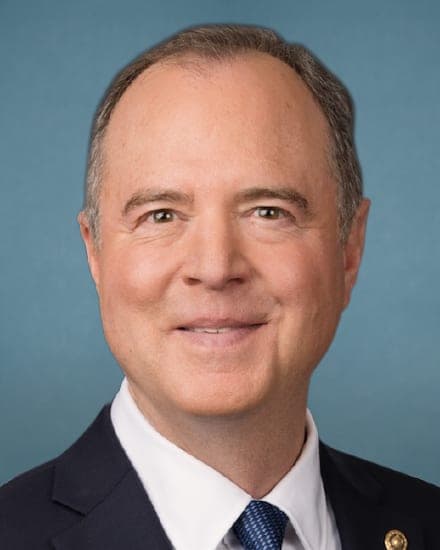
People in this story
SWIPE →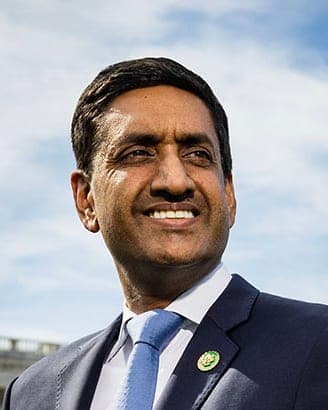
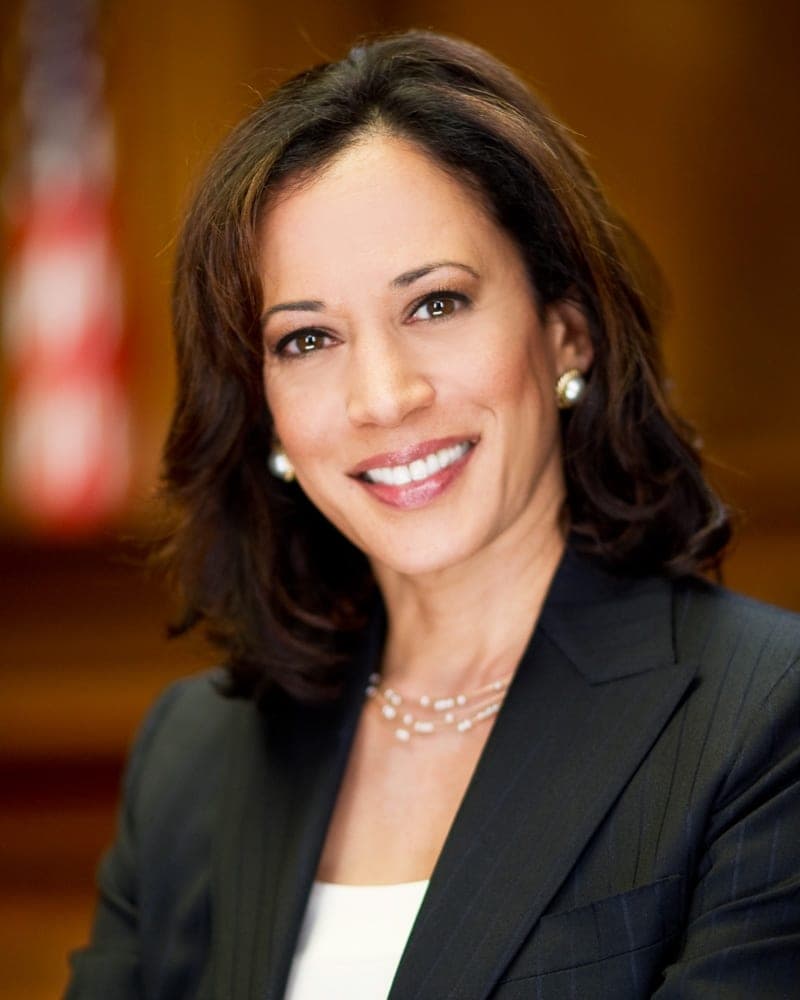
Former vice president targeted in an AI-generated campaign ad
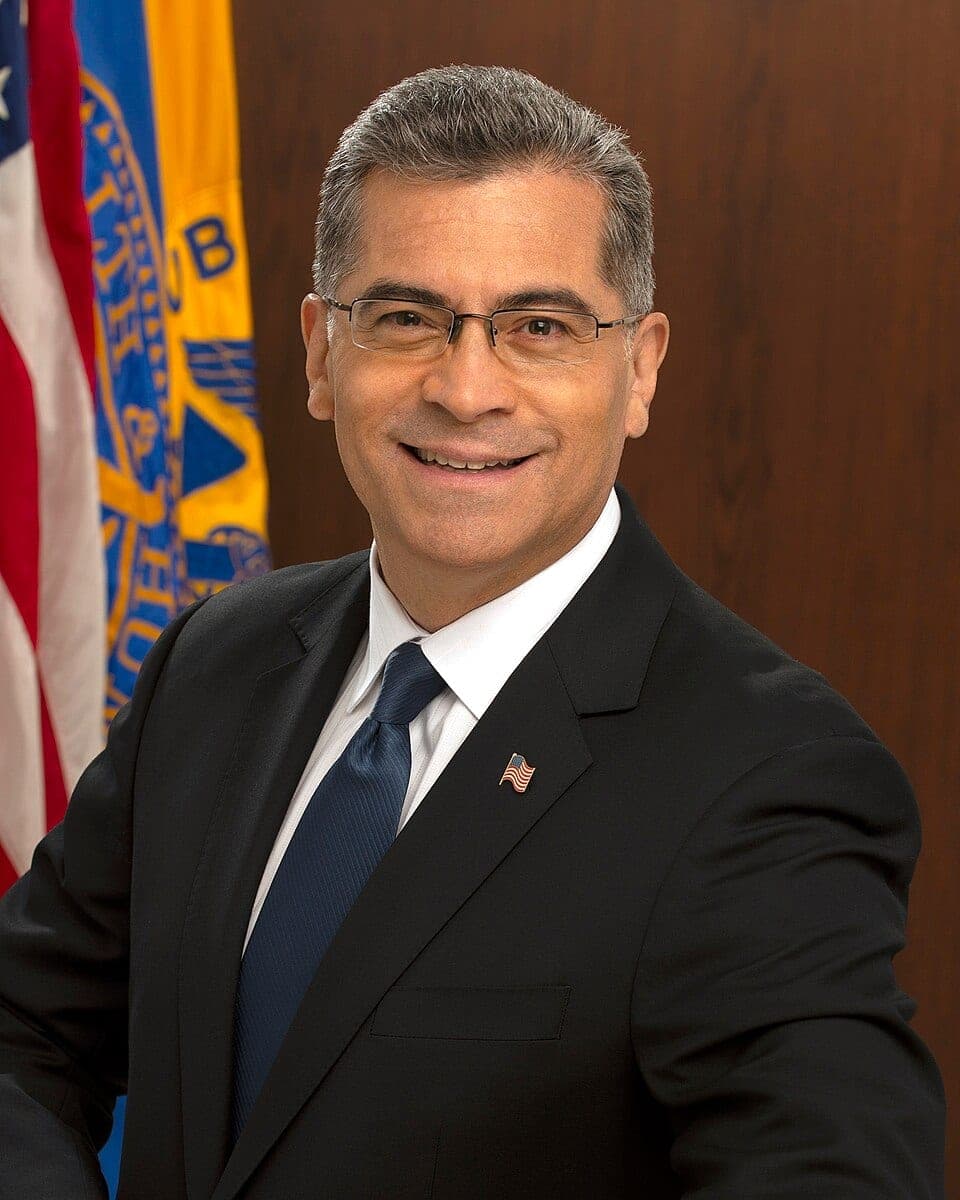
Democratic candidate for California governor targeted in an AI-generated campaign ad

Los Angeles mayor portrayed in an AI campaign ad
Part of a bigger story
2 OUTLETSDiscussion · 0
Loading comments…