Bernie Sanders, Ro Khanna Propose New 5% Billionaire Wealth Tax
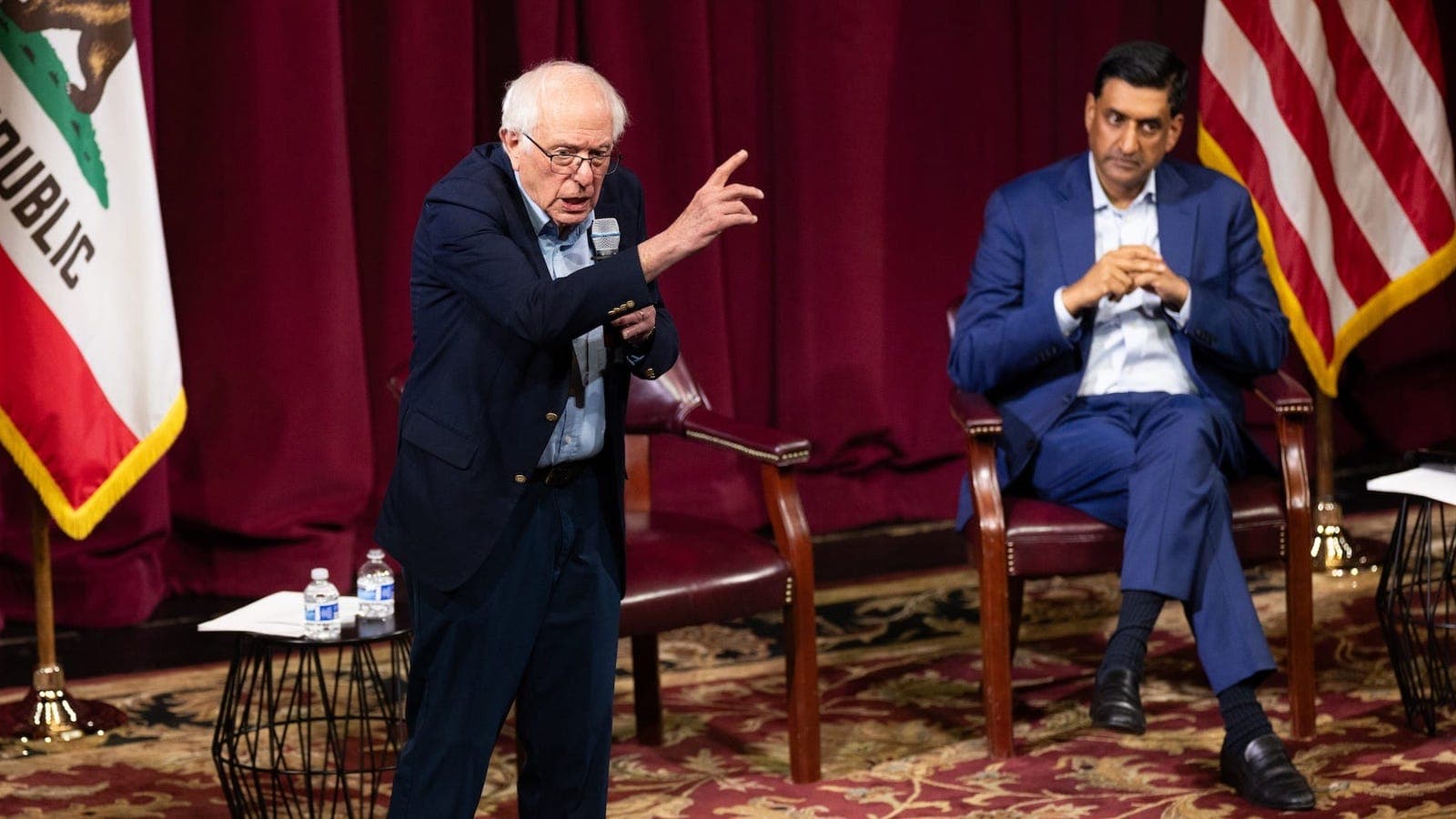
Sanders joined Ro Khanna in proposing a 5% annual wealth tax on billionaires.
SOURCE CHECK
TAP FOR WHYBusiness Insider is an established national news outlet, and this report identifies its author and attributes key estimates to Sanders’s office and named academic analysts. The short article provides limited detail about the underlying analysis or opposing views.
- Source type — Established national news outlet with a record of publishing reported coverage.
- Author attribution — The article identifies a named author.
- Editorial standards — The outlet has professional newsroom practices, though the brief article offers limited sourcing depth.
- Transparency — The article attributes the revenue estimate to an academic analysis and the Musk tax estimate to Sanders’s office.
The article gives the proposal’s central terms, attributes estimates to their sources, and notes its political prospects. It is brief, relies heavily on the proponents’ account, and provides little detail about the economic analysis or opposing arguments.
HOW WE SCORE ↗The article reports the proposal’s terms and attributes its estimates, and it notes obstacles to passage. It offers little detail from critics or independent analysis of the proposal’s effects.
- Counterarguments presented — The article notes Republican control makes passage unlikely but includes no substantive opposing argument.
- Source diversity — It cites the senator’s office and an academic analysis, but does not quote critics or independent policy experts.
- Opinion vs reporting — The piece is presented as news and does not give an explicit editorial verdict.
The report describes the proposal and its estimated effects in largely factual language, while noting that it is unlikely to become law. It does not clearly advocate for or against the wealth tax.
- Language tone — Mostly descriptive language, without clear praise or condemnation.
- Framing — Focuses on the plan’s terms, projected revenue, and political prospects.
- Source selection — Key estimates are attributed to the proponents and an academic analysis; little opposition is quoted.
Bernie Sanders and Ro Khanna proposed a 5% annual tax on billionaires, with revenue partly funding direct payments to eligible households. The article says the proposal is unlikely to become law but could influence Democratic politics.
Sanders and Khanna unveiled a bill proposing a 5% annual wealth tax on billionaires. Sanders’s office estimates it would affect 938 people, and an analysis by two University of California, Berkeley, economics professors estimates the legislation would raise $4.4 trillion over 10 years. The proposal includes a one-time $3,000 payment to Americans in households earning $150,000 or less annually, or $12,000 for a family of four. Sanders’s office said Elon Musk would owe $42 billion in the first year.
The article says the proposal is unlikely to become law given Republican control of Congress, but could influence Democratic politics ahead of the 2028 presidential election. It also notes a debate over a proposed billionaire wealth tax in California and reports that several billionaires have moved to other states amid that debate.
Community verdict
23 VOTES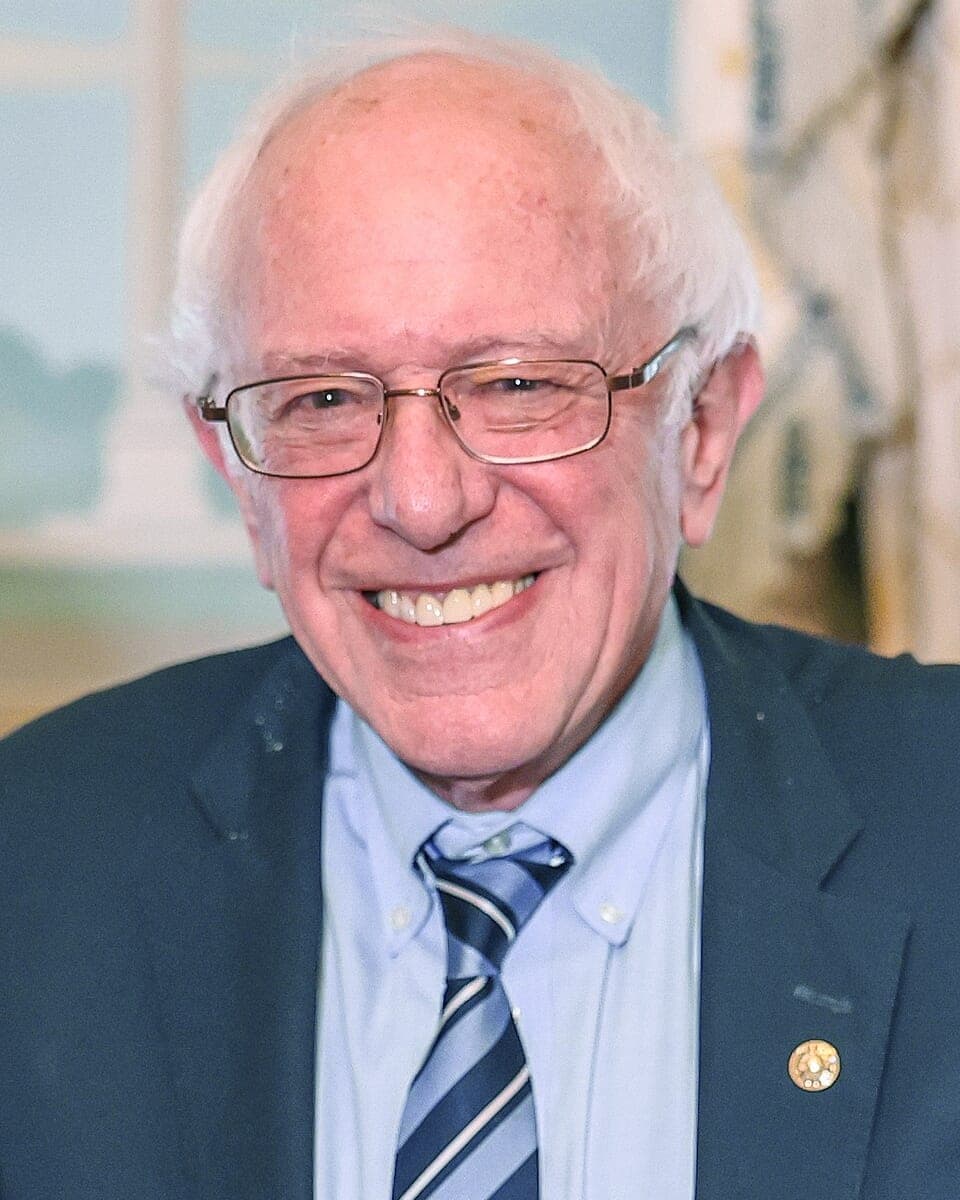
People in this story
SWIPE →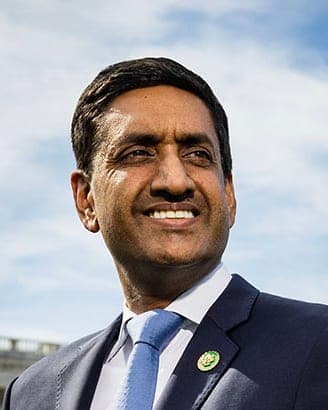
Representative and co-proposer of the billionaire wealth tax bill
Khanna's version of this story ↗Part of a bigger story
8 OUTLETSOutlets agree that Sanders and Ro Khanna introduced a bill proposing a 5% annual tax on billionaires. Center outlets focus on how the proposal would use revenue, including $3,000 checks and funding for other programs. Right-leaning outlets criticize the tax as a threat to investment, jobs, and economic prosperity, portraying Sanders as a sponsor of a harmful proposal.
- ARTICLES
- 8
- OUTLETS
- 8
- AVG CRED
- 68
Discussion · 0
Loading comments…