Anti-Muslim rhetoric rises among Republicans
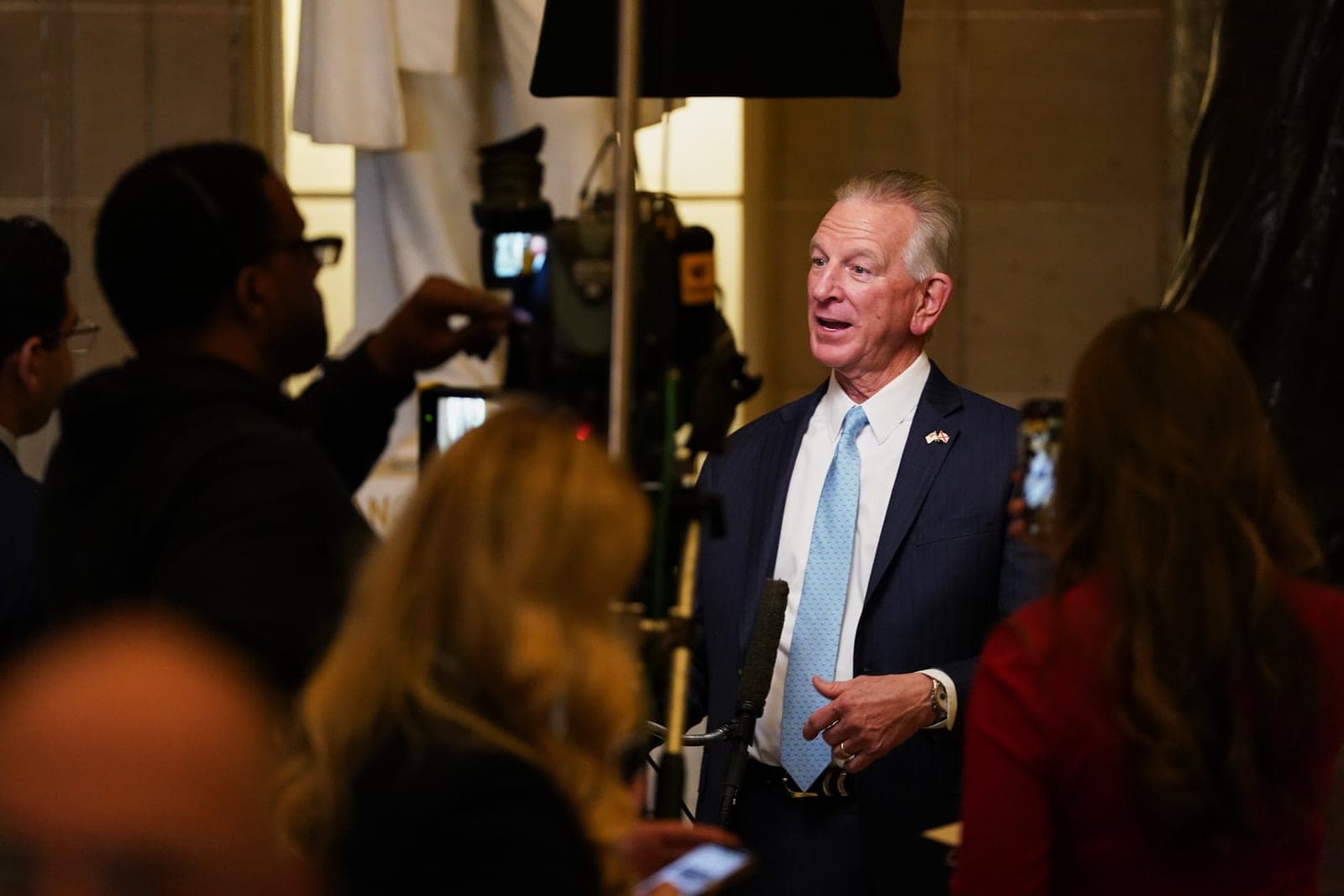
Ogles stood by social media statements that Muslims do not belong in the United States and cannot assimilate.
SOURCE CHECK
TAP FOR WHYCredibility rates Boston.com, where this article appeared. The other scores rate the article itself.
Boston.com is an established regional news outlet, and this article carries an Associated Press byline, indicating reporting by a major wire service. The page identifies the authoring organization and individual reporter.
- Source type — Established local-news publisher carrying an Associated Press report.
- Author attribution — The page identifies the Associated Press and names Joey Cappelletti.
- Editorial standards — The article presents attributed statements from lawmakers, an advocacy representative and the mayor discussed.
The report quotes lawmakers on multiple sides of the issue and includes a Muslim advocacy representative and Mamdani, along with context about the incidents prompting the rhetoric. It offers useful attribution, though it gives limited space to Republican leaders’ fuller explanations or responses to the criticism.
HOW WE SCORE ↗The article includes the statements at issue, a response from the House Speaker, Democratic criticism, a Muslim advocacy perspective and Mamdani’s reply. It gives less attention to other Republican leaders’ views or a fuller defense of the rhetoric and policy proposals.
- Source diversity — Includes Republican lawmakers, Democratic leaders, a Muslim advocacy representative and Mamdani.
- Counterarguments presented — Johnson’s comments and lawmakers’ stated security concerns appear, but a fuller counterargument is limited.
- Omitted context — The report gives relatively little detail on the Republican leadership’s broader response or the proposed policy’s specifics.
- Loaded language — The wording is generally attributed and descriptive rather than overtly editorial.
The article uses a straight news-reporting style, attributes the lawmakers’ statements and the criticism they drew, and does not make an explicit partisan argument.
- Language tone — Mostly descriptive language, with charged characterizations presented as attributed statements or contextual reporting.
- Source selection — Includes Republican lawmakers’ statements as well as Democratic, advocacy and mayoral responses.
- Framing — Frames the story around rising anti-Muslim rhetoric and limited leadership pushback, supported by examples in the article.
Original publisher not identified
This article credits another publisher, which ChamberLight has not identified, so the scores are Boston.com's own.
Associated Press reports that several Republican lawmakers made anti-Muslim statements amid the Iran war and recent attacks, drawing criticism from Democrats and advocates while Republican leaders offered little pushback. The article highlights statements by Tommy Tuberville and Andrew Ogles and House Speaker Mike Johnson’s response.
The article says anti-Muslim rhetoric from some Republican lawmakers intensified amid the Iran war and attacks in Michigan and Virginia. Tommy Tuberville posted that “the enemy is inside our gates” in response to a photo of New York Mayor Zohran Mamdani at an iftar dinner, then said he had plainly called Islamists the enemy. Andrew Ogles wrote that Muslims do not belong in the United States and later said they could not assimilate.
House Speaker Mike Johnson said he had spoken with members about their tone and described Ogles’ language as different from his own, while also saying concerns about imposing Sharia law were serious. Senate Democratic leader Chuck Schumer condemned Tuberville’s post; Mamdani also responded. The article reports that Minnesota Representative Tom Emmer called for denaturalizing and deporting terrorists, and West Virginia Representative Riley Moore said he would introduce a bill on that subject.
Community verdict
22 VOTES
People in this story
SWIPE →Tennessee representative whose posts said Muslims do not belong in the United States and cannot assimilate.
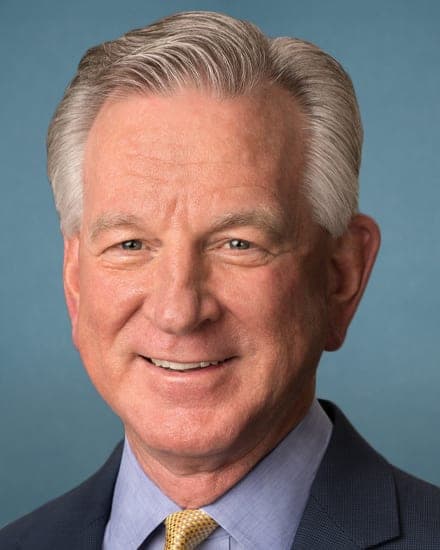
Alabama senator whose posts about Mamdani and Islam are among the examples of rising anti-Muslim rhetoric.
Tuberville's version of this story ↗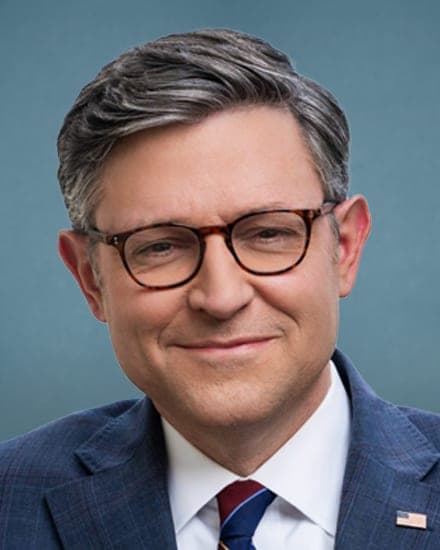
House Speaker who described Ogles’ language as different from his own and said he had discussed members’ tone.
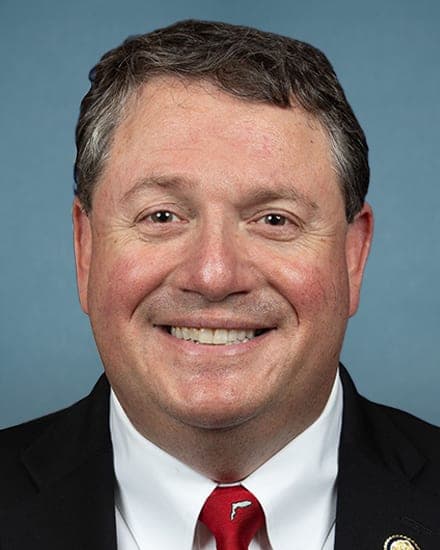
Florida representative whose recent comments compared Muslims unfavorably with dogs.
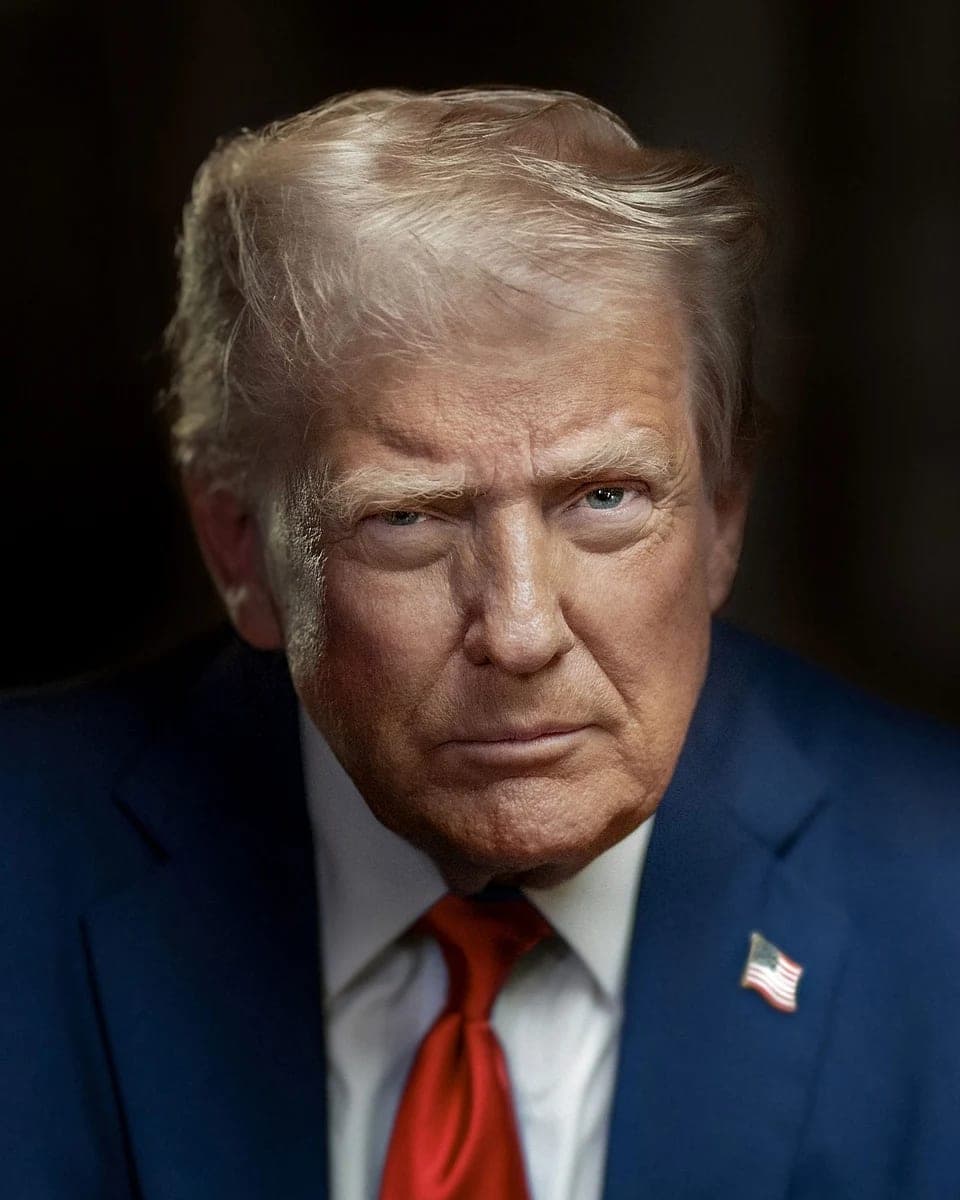
President whose silence on the rhetoric is included in the article’s account of limited Republican leadership pushback.
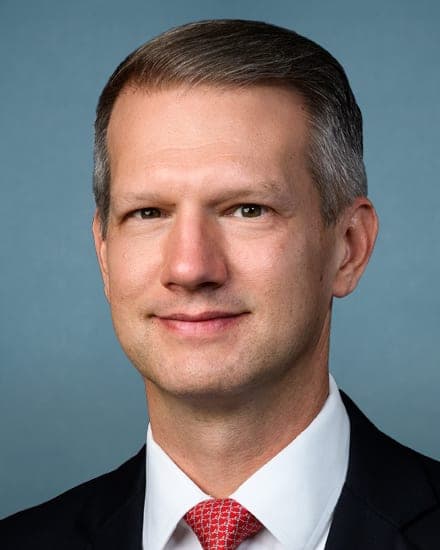
West Virginia representative who said he would introduce a bill on denaturalizing and deporting people involved in terrorism.
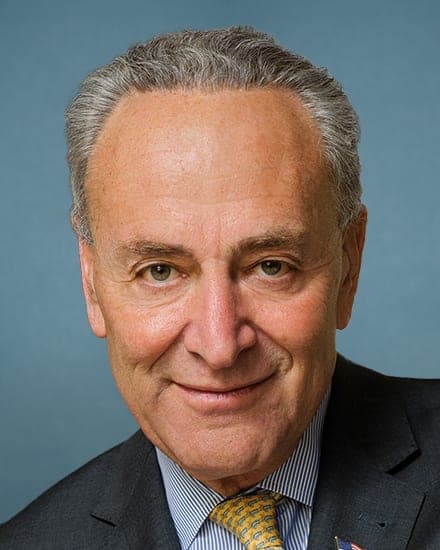
Senate Democratic leader who condemned Tuberville’s post.
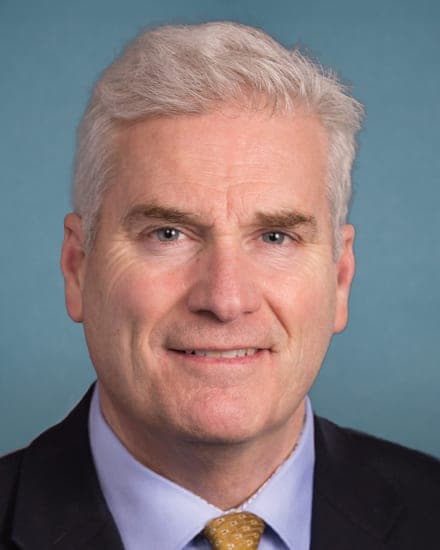
House GOP whip who called for the denaturalization and deportation of terrorists.
Discussion · 0
Loading comments…