Inside the Langley showdown over JFK and MK-Ultra secrets
Burlison demanded the files’ return, met with CIA staff, and said the meeting did not resolve key questions.
SOURCE CHECK
TAP FOR WHYBlaze Media has a strongly opinion-oriented presentation, and this piece is explicitly labeled as opinion and excerpted from a book. The author is named, but the article’s institutional reporting and corrections record are not established here.
- Source type — Opinion-oriented publisher; this page is presented as an opinion piece.
- Editorial standards — The article’s argumentative framing and book-excerpt format provide limited evidence of independent newsroom reporting.
- Author attribution — The author is identified by name.
- Transparency — An editor’s note identifies the book from which the article is excerpted.
The piece includes direct quotations and presents the CIA’s account alongside Erdman’s allegations, but it relies heavily on the author’s recounting and gives limited independent corroboration or broader context.
HOW WE SCORE ↗The article includes the CIA’s explanation of how the files were handled, but most of the narrative and interpretation supports the lawmakers’ and whistleblower’s concerns. It offers little independent evidence to resolve the conflicting accounts.
- Counterarguments presented — The CIA’s account of the transfers and processing delays is included.
- Source diversity — The piece relies mainly on the whistleblower, Burlison, and the CIA’s account as relayed in the article.
- Omitted context — The article does not independently establish what the boxes contained or why they were withheld.
- Loaded language — The narrative uses charged descriptions, including “explosive” and “internal coup.”
The article frames the dispute skeptically toward the CIA and uses language that suggests agency misconduct, while giving the agency’s explanation less narrative emphasis. Its presentation leans right, though the cited criticisms are largely about government oversight rather than a party-policy dispute.
- Language tone — The narration adopts a skeptical tone toward the CIA and describes the hearing testimony as explosive.
- Framing — The story centers allegations of agency obstruction and emphasizes lawmakers’ mistrust.
- Source selection — The author relies substantially on Erdman’s allegations and Burlison’s account of the meeting.
- Headline — The headline presents the episode as a showdown over secrets.
After a CIA officer alleged that the agency withheld JFK and MK-Ultra files from Tulsi Gabbard’s team, Representatives Anna Paulina Luna and Eric Burlison pressed the CIA for answers. The article says the agency later located the files and put them in line for declassification.
The article recounts CIA officer James Erdman’s May testimony that the agency monitored personnel involved in investigations and took back JFK and MK-Ultra files being processed for declassification. The CIA disputed that account, saying it had transferred about 300 boxes, that 42 were still being processed, and that it had notified the DNI’s office when they were ready. The article also reports the agency said 11 other boxes contained tradecraft secrets and would not be available to the DNI.
Luna and Burlison demanded the files’ return and met CIA staff at headquarters. Burlison said the meeting left questions unanswered; Luna later told the author that the CIA had located the files and placed them in line for declassification.
Community verdict
3 VOTES
People in this story
SWIPE →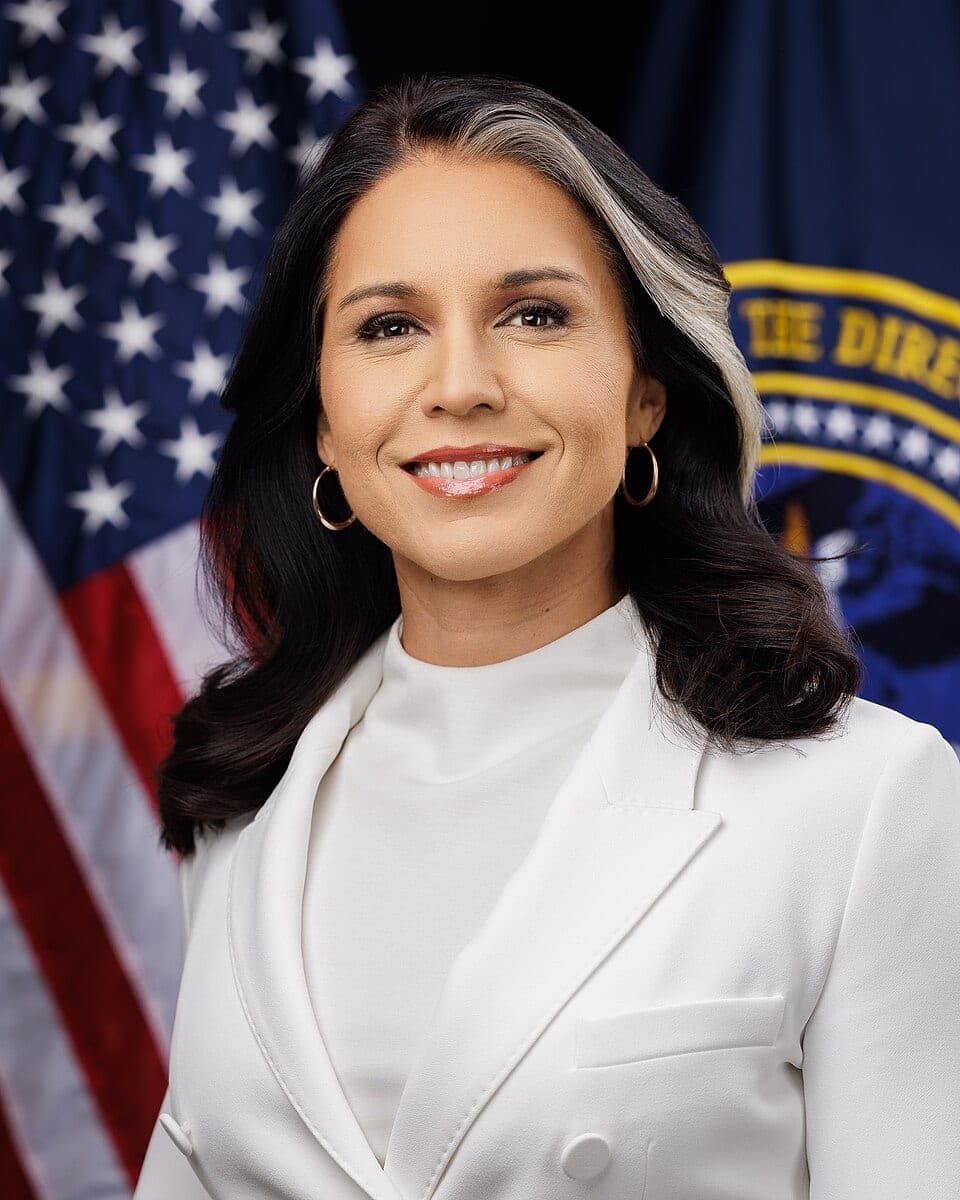
Director of National Intelligence whose office was processing the files
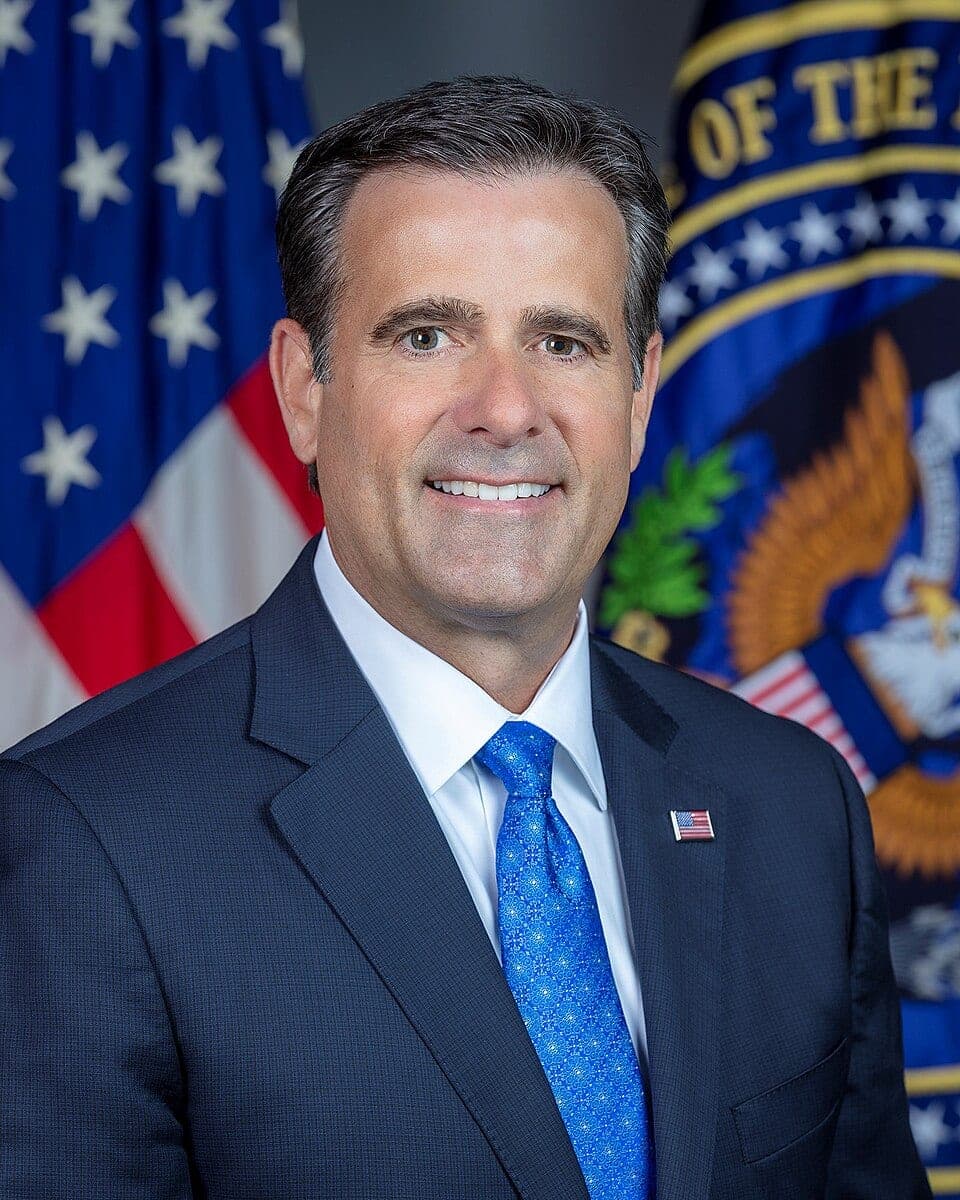
CIA director who was not present for the lawmakers’ meeting
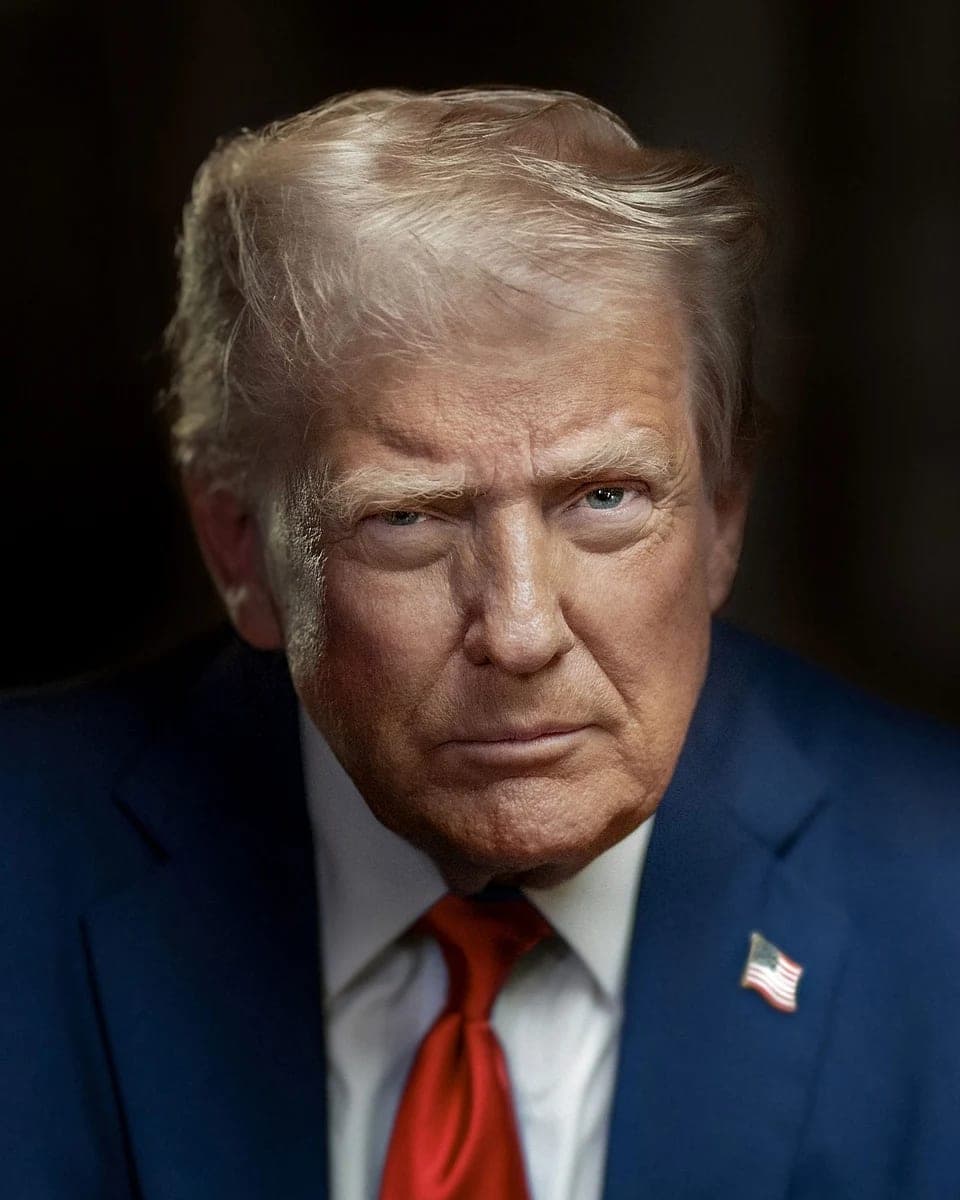
President whose order to release JFK records is described as context
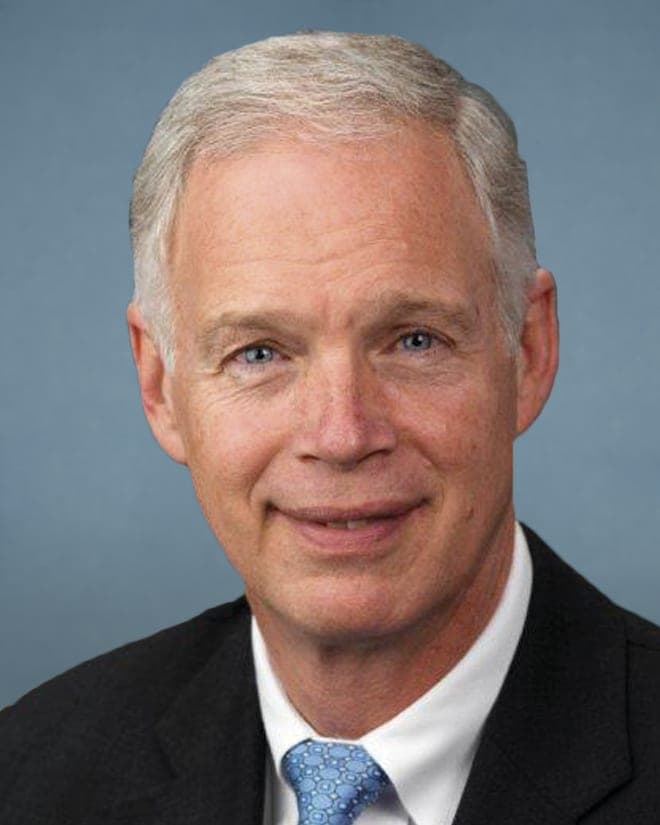
Senator who criticized federal agencies’ response to congressional oversight
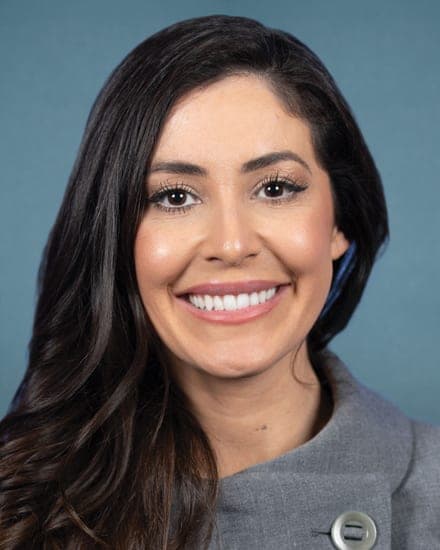
House member who pressed the CIA over the files
Discussion · 0
Loading comments…