House Republicans Accuse China of 'Throwing Gasoline on the Fire' in US Data Center Fight -- 'They Want To
Jason Smith asked federal officials to examine whether tax-exempt groups connected to a network he associates with China violated tax rules.

SOURCE CHECK
TAP FOR WHYBenzinga is a recognizable financial-news publisher with an attributed author, but its trade-press focus and the page’s extensive investment promotions temper confidence in its editorial independence.
- Source type — Established financial and markets publisher, though trade-focused rather than a general national newsroom.
- Author attribution — The article names an author.
- Editorial standards — The article attributes the lawmakers’ allegations and includes a caveat about what the letter does not establish.
- Transparency — Extensive investment-oriented promotional material appears alongside the reporting, making the page’s commercial context prominent.
The article identifies the letter, quotes both lawmakers and distinguishes allegations from established findings. It does not include a response from Singham or perspectives from the organizations in question, and substantial investment promotion interrupts the reporting.
HOW WE SCORE ↗The article presents the lawmakers’ rationale and acknowledges legitimate local concerns about electricity costs and water use, but offers no comment from the organizations or their alleged funder.
- Source diversity — The lawmakers’ views dominate; the alleged funder could not be reached and no affected organization is quoted.
- Counterarguments presented — The article notes local concerns about data centers and clarifies that the letter does not establish that opposition is directed by Beijing.
- Loaded language — Some charged language appears in attributed quotations, rather than as the article’s own finding.
The reporting centers Republican lawmakers’ concerns but attributes their claims and explicitly cautions that the letter does not prove local opposition is directed by Beijing. The language is mostly explanatory rather than overtly partisan.
- Source selection — The quoted political sources are the two Republican lawmakers; the article does not include a response from the groups they criticize.
- Framing — The piece foregrounds concerns about Chinese influence but distinguishes the allegations from what the letter establishes.
- Language tone — Most of the article uses attributed, descriptive language, though its headline repeats a pointed quotation.
Reps. Jason Smith and John Moolenaar asked Treasury and the IRS to examine whether tax-exempt organizations linked to a network they associate with China have violated tax rules while opposing U.S. data center construction. Their letter raises allegations but does not establish that local opposition is directed by Beijing.
House Ways and Means Committee Chair Jason Smith and House Select Committee on China Chair John Moolenaar sent a letter dated Sept. 22 to Treasury Secretary Scott Bessent and IRS CEO Frank Bisignano. They asked the agencies to examine whether tax-exempt organizations connected to Neville Roy Singham’s network violated requirements for their status. The lawmakers allege Singham directed hundreds of millions of dollars to U.S. advocacy organizations.
Smith and Moolenaar said they were concerned that foreign-backed groups could be using opposition to data centers to slow U.S. AI development. The article notes that the letter does not establish that every group opposing a data center is connected to China or that local opposition is directed by Beijing.
Community verdict
8 VOTES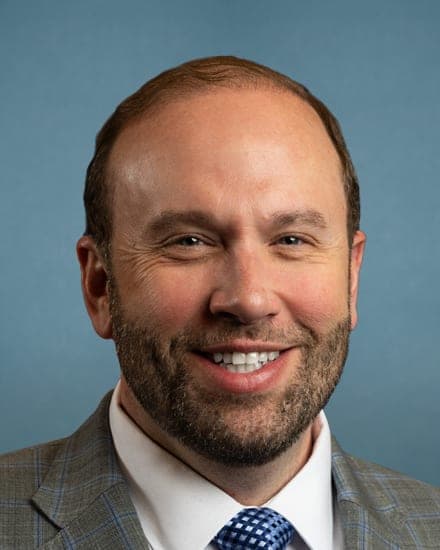
People in this story
SWIPE →House Ways and Means Committee chair who signed the letter requesting federal scrutiny

House Select Committee on China chair who signed the letter requesting federal scrutiny
Moolenaar's version of this story ↗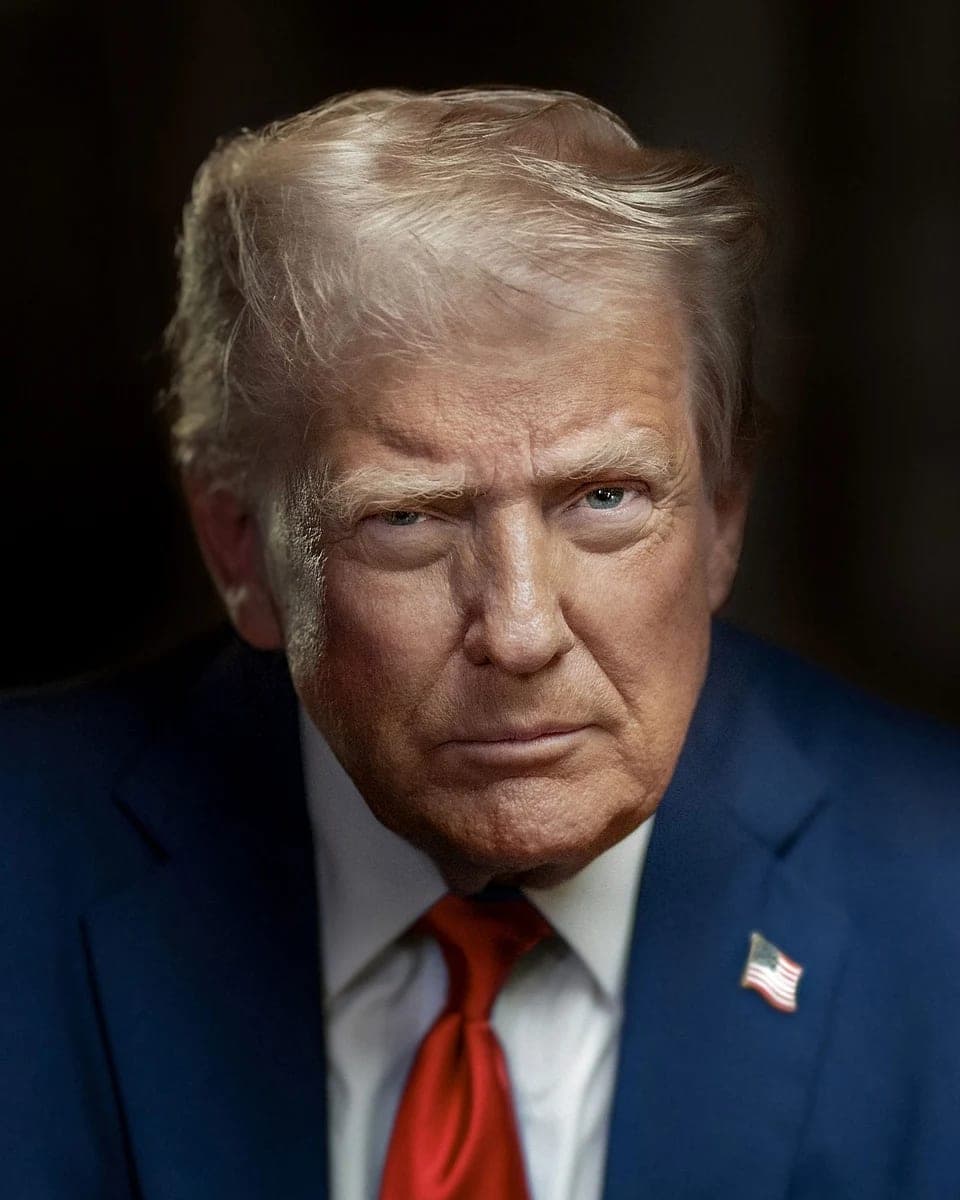
U.S. president mentioned in connection with a summit with Xi Jinping
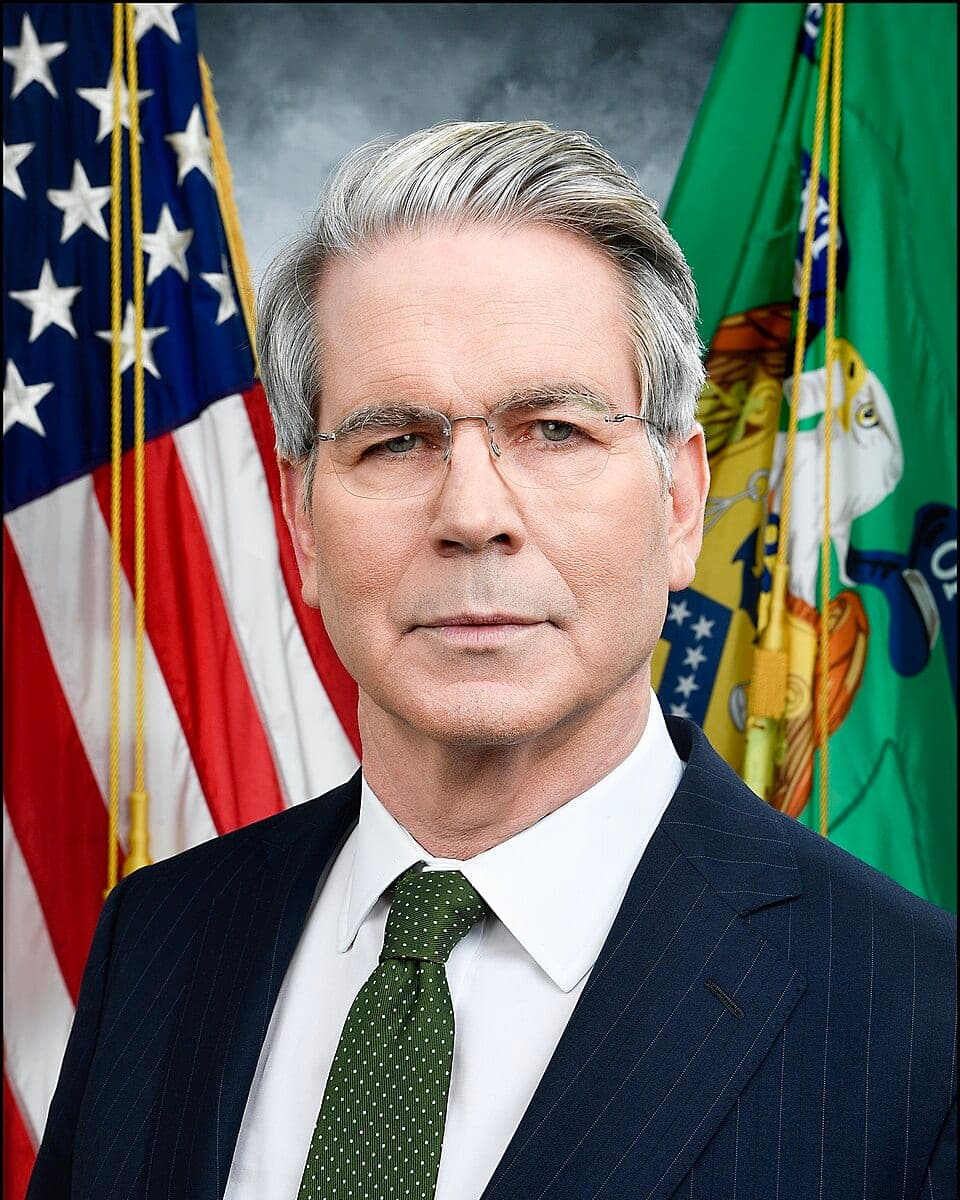
Treasury Secretary and recipient of the lawmakers’ letter
Discussion · 0
Loading comments…