What Do Americans Think About AI Data Centers?
Mike Johnson argued against pausing AI development or adding stricter rules, calling opposition to data centers a “Chinese psyop.”

SOURCE CHECK
TAP FOR WHYThe publisher is an entertainment-oriented outlet rather than an established political newsroom, which limits confidence in its editorial oversight and original reporting. The article names polling organizations and attributes Johnson’s remarks to Newsweek, but offers limited transparency about its reporting process.
- Source type — The outlet is categorized as trade press, but its broader identity is not that of a dedicated political or policy newsroom.
- Editorial standards — The page provides little information about editorial standards or corrections practices.
- Author attribution — A named author is credited.
- Source selection — The story identifies several polling organizations and attributes Johnson's quoted remarks to Newsweek.
The article gives specific survey results from named organizations and quotes Johnson, while also describing contrasting views among Republicans and the broader public. It provides limited methodological context for the polls and relies on indirect attribution for Johnson's remarks.
HOW WE SCORE ↗The article includes Johnson's position, polling on public opposition, concerns from other Republicans, and a qualification about evidence of foreign influence. It offers little detail from proponents of data-center construction or direct responses from Johnson's allies.
- Source diversity — Named polls and statements from several figures provide more than one perspective.
- Counterarguments presented — Johnson's competitiveness argument appears alongside polling that indicates local opposition and support for oversight.
- Omitted context — The article gives little space to data-center supporters' arguments or to the methods and full context of the cited surveys.
- Loaded language — The most charged phrase is presented as Johnson's own description rather than as the article's characterization.
The article reports Johnson's comments alongside polling that challenges the breadth of his claim and notes evidence that does not establish that opponents are being manipulated. Its language is largely descriptive rather than distinctly partisan.
- Language tone — The story uses mostly descriptive language and attributes the charged phrase to Johnson.
- Source selection — It cites multiple surveys and includes views from Republicans as well as Sanders and Bannon.
- Framing — It contrasts Johnson's foreign-influence claim with polling and qualifies what the cited bot-farm findings establish.
House Speaker Mike Johnson called opposition to AI data centers a “Chinese psyop,” while recent polls found broad public resistance to building them in local communities. Other Republicans have raised concerns about local impacts and electricity costs.
House Speaker Mike Johnson argued that the United States should not pause the AI industry or impose additional rules because that could allow China to take the lead. He also said technology companies should largely police themselves and described opposition to data centers as a “Chinese psyop.”
Recent surveys found substantial discomfort with data centers in local communities and support for stronger oversight of AI safety. Bernie Sanders and Steve Bannon called for stronger guardrails, Chip Roy raised community-impact concerns, and Tom Barrett opposed taxpayer subsidies for data centers. House Republicans were preparing the Ratepayer Protection Act, which would have state regulators consider requiring data centers to cover some new power-generation costs.
Community verdict
8 VOTES
People in this story
SWIPE →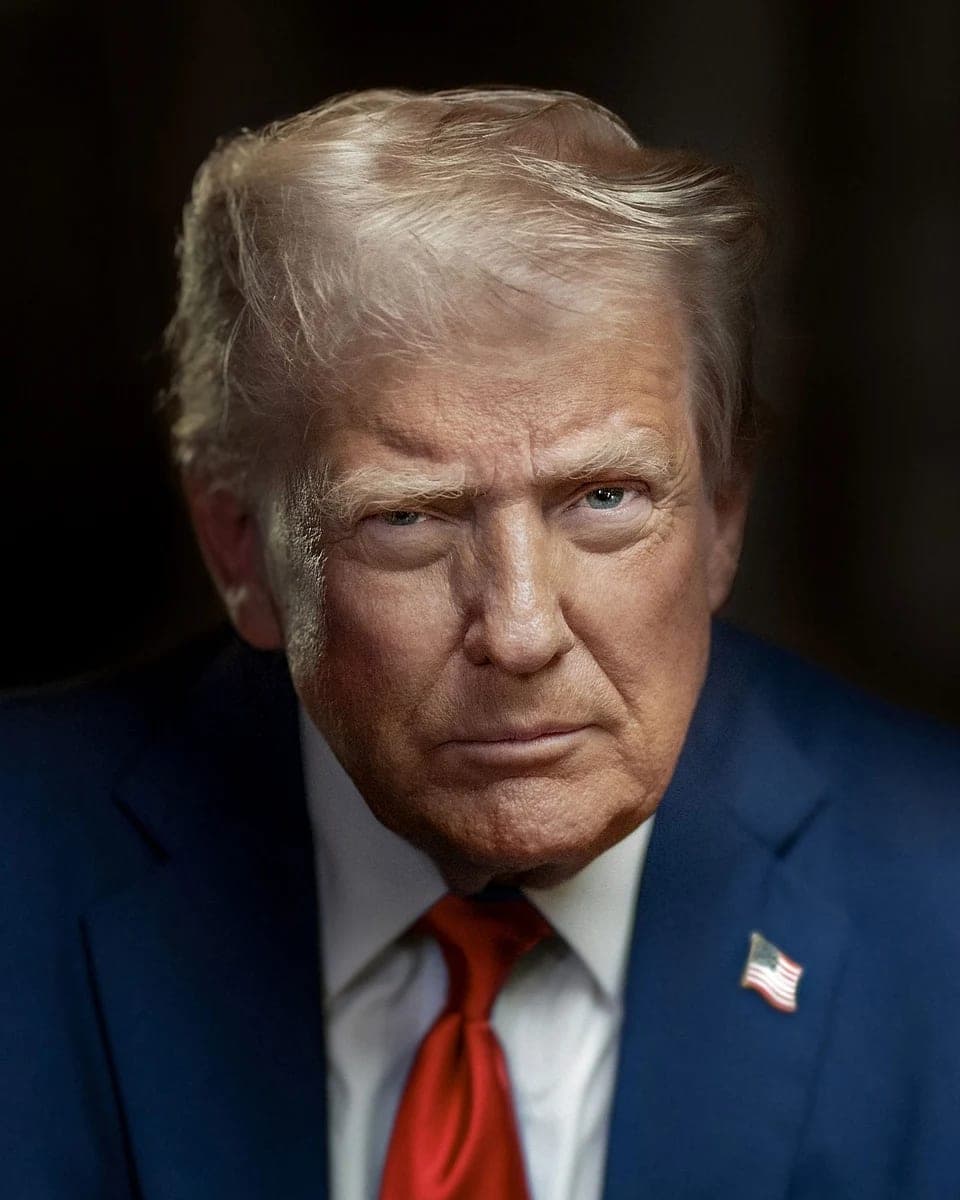
President who hosted Xi Jinping at the White House

Senator calling for stronger AI guardrails

Representative raising concerns about community effects
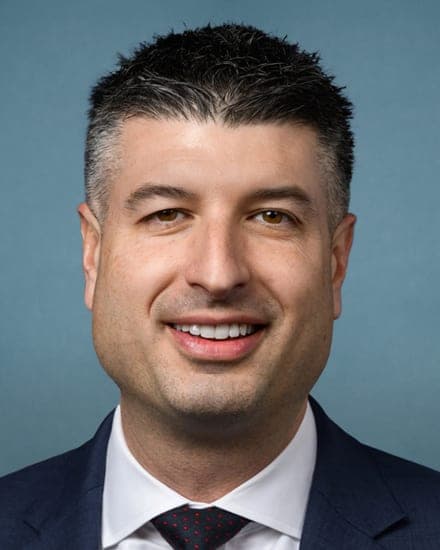
Representative opposing taxpayer subsidies for data centers
Part of a bigger story
7 OUTLETSOutlets agree that House Speaker Mike Johnson attributed public opposition and warnings regarding artificial intelligence data centers to a Chinese influence operation. Left-leaning outlets portray Johnson as dismissive of widespread public resistance and bipartisan concerns. Center outlets focus on his arguments against AI regulation and U.S. competitiveness, alongside reactions from lawmakers and polling data. Right-leaning outlets, exemplified by Breitbart, counter Johnson's assertion by citing local pushback and intelligence analysis showing the debate is homegrown.
- ARTICLES
- 7
- OUTLETS
- 7
- AVG CRED
- 58

Discussion · 0
Loading comments…