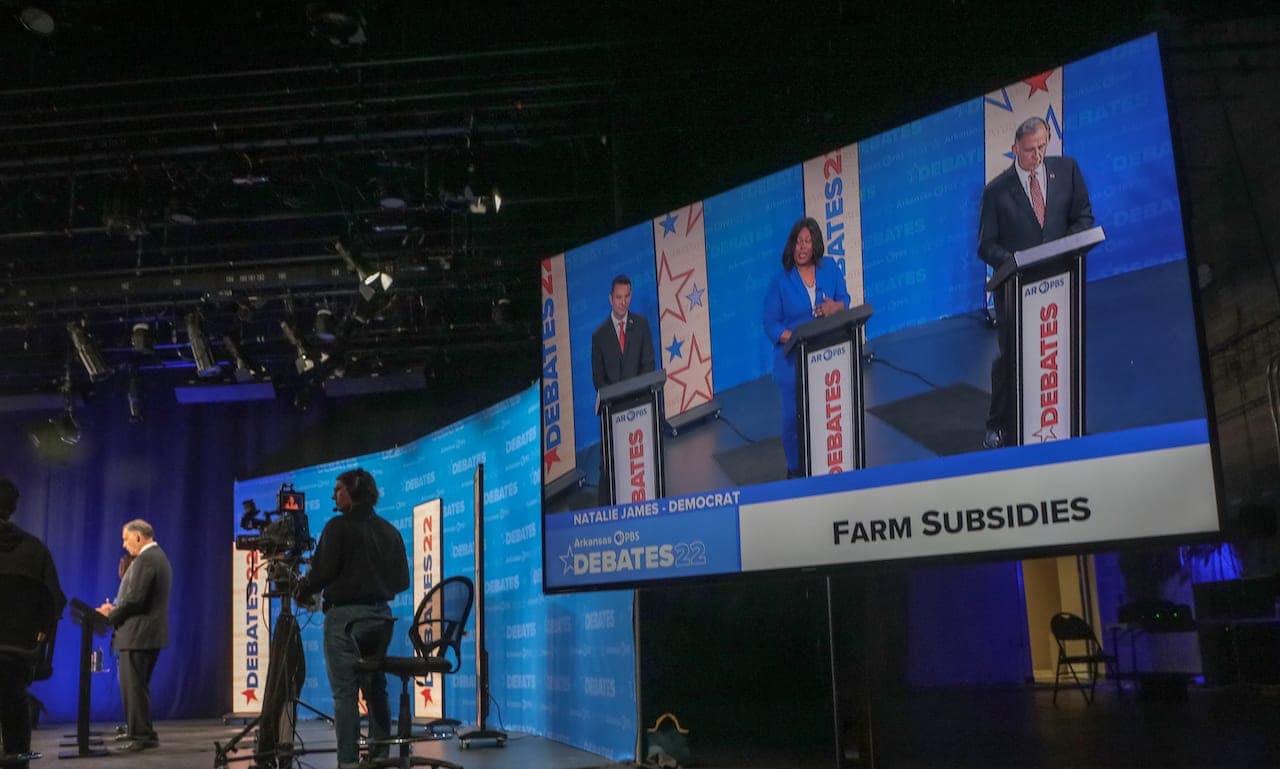
Debates used to mean something in Arkansas politics. Now they’re an afterthought.
Tom Cotton declined several debate invitations from his Senate rivals while choosing to participate in one hosted by a conservative Christian media outlet.
SOURCE CHECK
TAP FOR WHYArkansas Advocate is an established regional news organization, and the article is attributed to a named reporter. Its editorial argument is supported with historical examples, though the page provides limited sourcing for its broad claims about the decline of debates.
- Source type — Established regional news outlet with a civic and state-politics focus.
- Editorial standards — The article is clearly written and distinguishes its argument from attributed statements.
- Author attribution — A named reporter is credited.
- Transparency — Historical examples and quotations are included, but the broad trend claims have limited sourcing in the article.
The piece uses concrete historical examples and quotations to support its case for debates, but it is openly argumentative and offers little direct explanation from candidates about their debate choices or evidence for the broader trend.
HOW WE SCORE ↗The article makes a clear case that candidates should participate in more debates, with limited attention to why candidates might choose fewer appearances. It includes historical examples but does not present substantial counterarguments from the candidates whose choices it criticizes.
- Counterarguments presented — The article does not substantially explain candidates’ reasons for limiting or declining debates.
- Opinion vs reporting — The piece advances an explicit argument about what voters deserve from candidates.
- Source diversity — Historical quotations and examples add context, but current perspectives are limited.
- Loaded language — The framing is critical but not strongly inflammatory.
The article criticizes candidates’ reduced participation in debates, but its argument is about voter access to candidate discussions rather than a discernible partisan position.
- Framing — It frames debates as a way for voters to compare candidates and hear unscripted answers.
- Language tone — The piece is critical of declining debate participation but does not use a clear partisan framing.
- Source selection — It relies mainly on historical examples and candidate statements, not a partisan selection of policy sources.
Tom Cotton has declined several Arkansas Senate debate invitations, choosing instead to participate in one hosted by a conservative Christian media outlet. The article argues that fewer debates leave voters with fewer chances to hear candidates answer questions directly.
The article contrasts Cotton’s current Senate campaign with his 2014 campaign, when he challenged then-Sen. Mark Pryor to a series of debates. This time, Cotton has declined debates with Hallie Shoffner and Jeffrey Wadlin on public television and at Arkansas State University, while opting for one hosted by a conservative Christian media outlet. The article places that choice within a broader decline in Arkansas candidate debates.
Community verdict
6 VOTES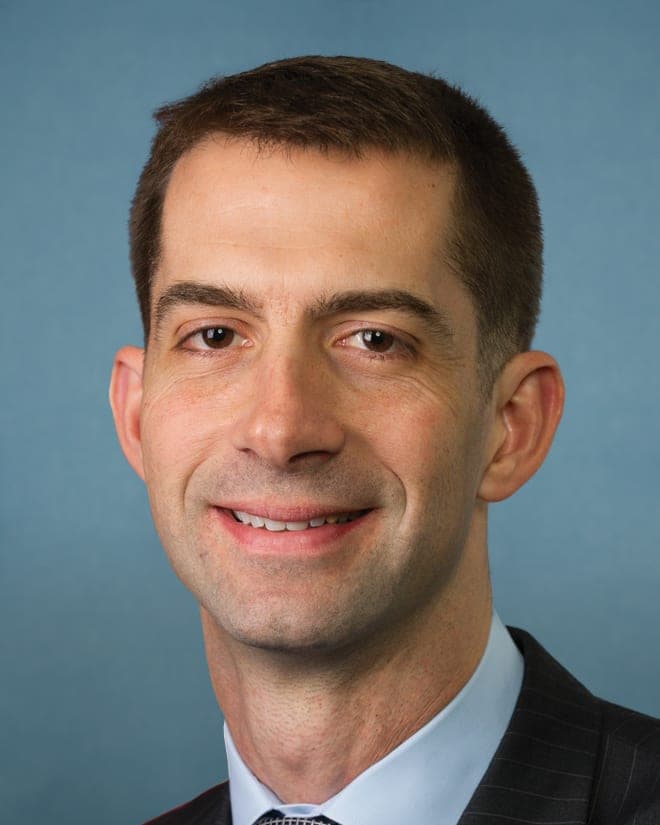
People in this story
SWIPE →Senator and Senate candidate who declined several debate invitations
Democratic candidate identified in the caption to a 2022 debate photograph
Libertarian candidate identified in the caption to a 2022 debate photograph

Democratic Senate candidate and debate invitee
Libertarian Senate candidate and debate invitee
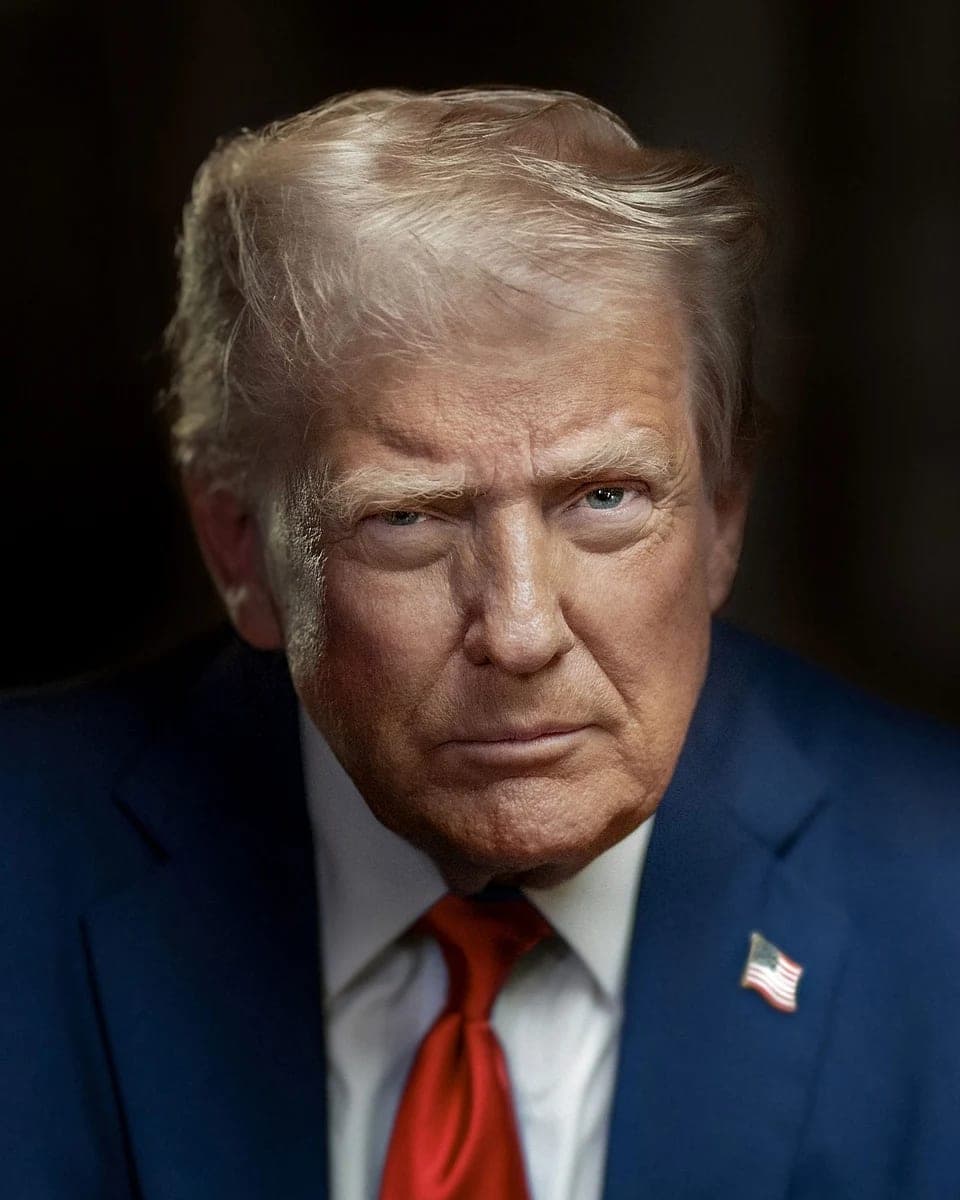
President referenced in discussion of the political environment
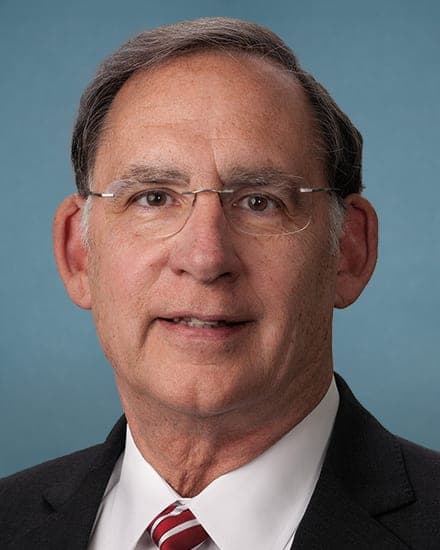
Arkansas senator identified in the caption to a 2022 debate photograph
Discussion · 0
Loading comments…