New bill in Congress seeks to investigate toxic dump off California coast
Carbajal introduced legislation to coordinate research into ocean contamination and explore potential cleanup.
SOURCE CHECK
TAP FOR WHYArcaMax is recorded as an outlet of unknown type, and this page has no identified author or clear description of its editorial and corrections practices. The text contains detailed reporting and attributed sources, but that speaks more to the article than to the publisher's institutional credibility.
- Source type — Recorded as other, providing little basis for assessing institutional reporting standards.
- Author attribution — No author is identified on the page metadata.
- Transparency — No explicit corrections or editorial standards information is available in the article material.
The article gives concrete details about the proposed program and quotes lawmakers, researchers and an environmental scientist. Its sources largely support the bill, however, and the story provides little independent scrutiny of the proposal or opposing perspectives.
HOW WE SCORE ↗The article includes several named sources and explains the bill's aims, but the sources quoted chiefly endorse or support the proposal. It does not include a skeptical view of the bill's design, costs or prospects.
- Source diversity — Multiple lawmakers, researchers and environmental experts are quoted, but they are broadly supportive of the bill.
- Counterarguments presented — No critic or counterargument about the proposal is presented.
- Loaded language — Some strong descriptions of the environmental problem appear, but they are generally attributed or supported with reported details.
The article uses largely descriptive language and attributes praise for the proposal to its sponsors and supporters. It offers little countervailing perspective, but does not use distinctly partisan framing.
- Language tone — Mostly reportorial language, with favorable characterizations attributed to quoted sources.
- Source selection — Quotes lawmakers and researchers who describe the proposal positively, without a critic or opposing source.
- Framing — Frames the bill as a response to a longstanding environmental problem without overt partisan cues.
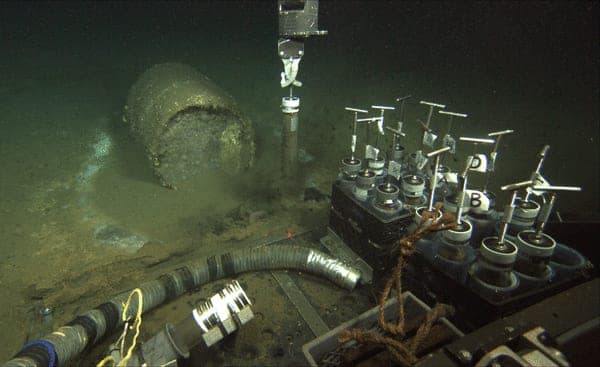
Reps. Salud Carbajal and Sen. Alex Padilla introduced legislation to coordinate research into DDT and other waste dumped off Southern California and to explore cleanup options. The proposal would authorize $6 million annually through 2034 for mapping and monitoring.
The Ocean Protection and DDT Reduction Act was introduced in both the House and Senate. Carbajal said the effort aims to protect coastal communities and move toward a meaningful solution; Padilla said it would put NOAA scientists and research institutions to work mapping contamination, tracking its spread and exploring cleanup through bioremediation. The bill would designate NOAA as the coordinating agency and authorize $6 million a year through 2034 for research and monitoring.
The article describes longstanding concerns about DDT and other waste in the ocean, including findings about dumped military explosives and other approved dumping areas. Researchers and environmental scientists quoted in the story said the bill could help coordinate research, fill data gaps and support work that could apply to other coastal dump sites. Carbajal and Padilla said they were building bipartisan support.
Community verdict
4 VOTES
People in this story
SWIPE →House co-introducer of the Ocean Protection and DDT Reduction Act
Senate co-introducer of the Ocean Protection and DDT Reduction Act
Padilla's version of this story ↗Part of a bigger story
3 OUTLETSSalud Carbajal and Alex Padilla introduced legislation to study toxic waste dumped off Southern California, coordinate research and explore possible cleanup. Center outlets present the bill as a research and monitoring effort tied to potential cleanup, drawing on supportive comments from lawmakers and scientific experts.
- ARTICLES
- 3
- OUTLETS
- 3
- AVG CRED
- 64
Discussion · 0
Loading comments…