Trump Supreme Court comes back to haunt vulnerable Susan Collins
Collins’ vote to confirm Kavanaugh has resurfaced as an issue in her reelection campaign.
SOURCE CHECK
TAP FOR WHYAlternet is an opinion-first publisher, which warrants a lower institutional score than a newsroom with a strong record of original reporting. This piece attributes key reporting and quotations to The Washington Post, but the page provides limited information about its own reporting and verification.
- Source type — Opinion-first publisher; this is a commentary-style article.
- Author attribution — An author is named, and some claims are attributed to The Washington Post.
- Transparency — The article gives little detail about independent reporting or verification.
The article includes attributed comments from Collins, Jackson and a Maine voter, and provides relevant context about Kavanaugh and the possible vacancy. It offers limited independent sourcing and little competing analysis of the campaign claims.
HOW WE SCORE ↗The article includes Collins’ explanation, her stated lack of regret and examples of Democratic nominees she supported, but its framing centers on the political damage from her Kavanaugh vote and includes criticism from a voter and her opponent.
- Source diversity — Includes Collins, her opponent and a voter, but little independent or opposing analysis.
- Framing — The article’s central framing treats the vote as a political liability for Collins.
- Counterarguments presented — Reports Collins’ explanation of her review process and her support for Democratic nominees.
The article frames Collins’ Kavanaugh vote as politically damaging and emphasizes Democratic efforts to use it in the campaign. It includes Collins’ explanation and her record of supporting Democratic nominees, but the overall framing favors the critical interpretation of her vote.
- Headline — Describes the vote as coming back to haunt Collins and labels her vulnerable.
- Framing — Emphasizes the vote’s political cost and Democrats’ opportunity to revive it.
- Source selection — Includes Collins’ response and record, alongside a critical voter and her opponent’s campaign message.
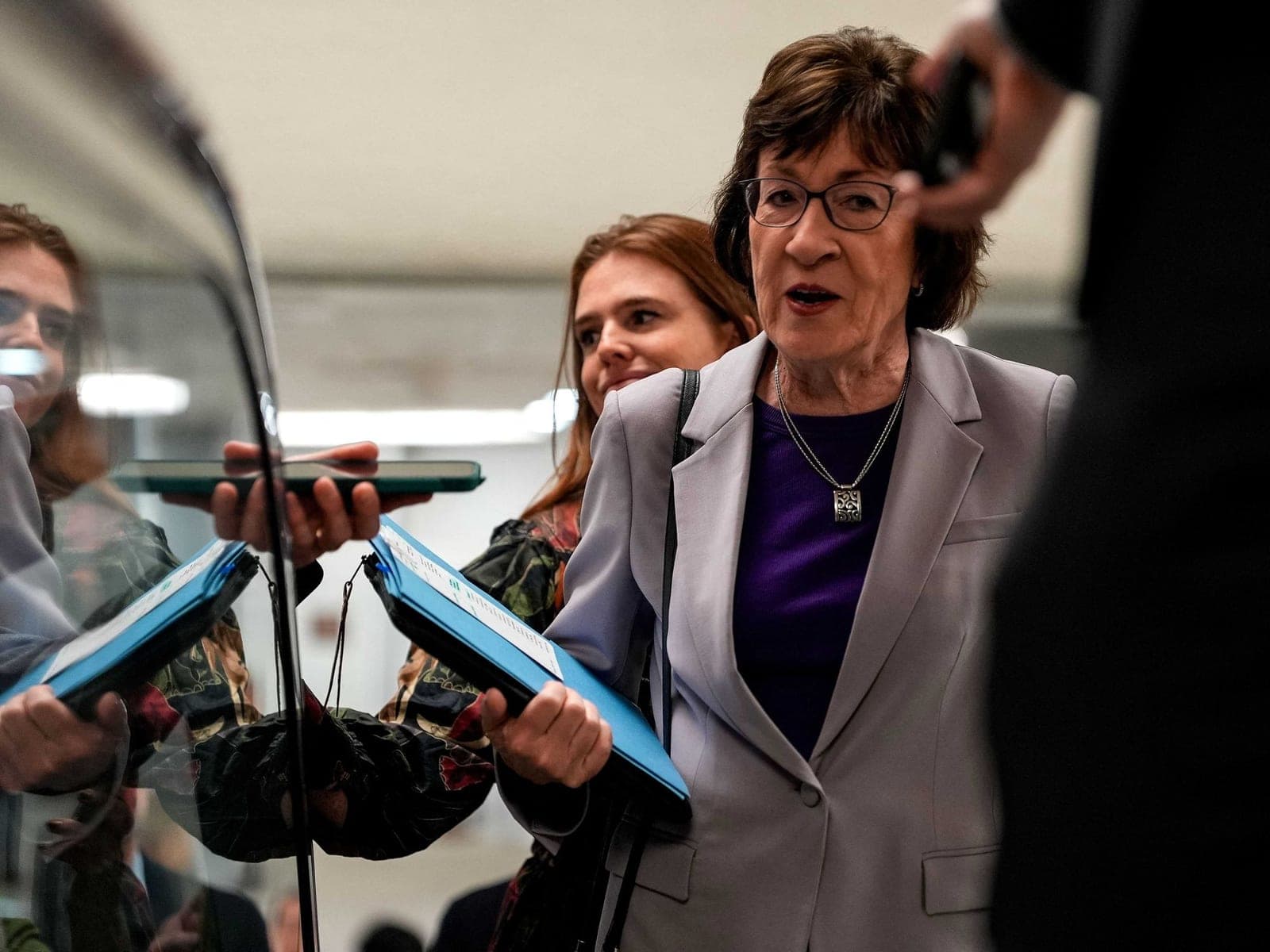
Susan Collins’ 2018 vote to confirm Brett Kavanaugh is again a campaign issue as she faces reelection, with Democratic opponent Troy Jackson invoking the possibility of another Supreme Court vacancy. Justice Samuel Alito has not said he plans to retire.
The article says Collins’ vote to confirm Kavanaugh has remained a political vulnerability in Maine. Collins told The Washington Post she would use the same process for another Trump Supreme Court nominee, and said she does not regret her Kavanaugh vote. It also notes that she has criticized the decision overturning Roe v. Wade while continuing to defend her vote for Kavanaugh.
Jackson, Collins’ Democratic opponent, wrote that the election would determine who confirms the next Supreme Court justice. The article says Alito has not declared an intention to retire, while describing the possibility of a vacancy as an opportunity for Democrats to raise Collins’ past vote during the campaign.
Community verdict
VOTING CLOSED
No good or bad look here
This story reports what happened without casting Collins in a good or bad light, so readers don’t rate it and it doesn’t count toward Collins’s record.
People in this story
SWIPE →Maine senator whose vote to confirm Brett Kavanaugh is again a campaign issue

President whose possible future Supreme Court nomination is part of the campaign discussion

Collins’ Democratic opponent in Maine’s Senate race
Discussion · 0
Loading comments…