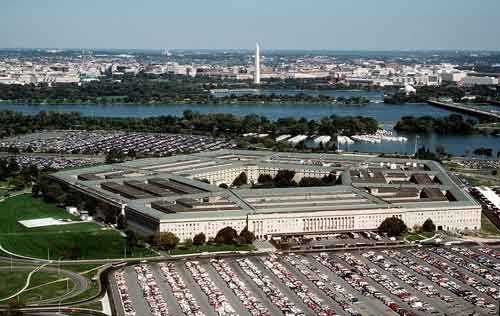
'Outrageous': Pentagon Secretly Working to Divert Billions From National Institutes of Health
The article links the proposed funding arrangement to the Trump administration and its reported costs for the Iran war.
SOURCE CHECK
TAP FOR WHYCredibility rates Alaska Native News, where this article appeared. The other scores rate the article itself.
The page is published by a local-news site, but its closing notice identifies the work as licensed from Common Dreams for republication. That licensing is transparent, though the page itself provides little evidence of original reporting or the publisher’s editorial and correction practices.
- Source type — Recorded as local news, but this page republishes another outlet's article.
- Transparency — A Creative Commons notice names Common Dreams and permits republication.
- Author attribution — The page credits Alaska Native News Staff, while the closing notice identifies the republished work as Common Dreams' work.
- Editorial standards — The article provides no visible information about editorial standards or corrections practices.
The report includes statements from Democratic appropriators, an advocacy-group chair, and a Trump administration spokesperson, and it notes uncertainty about whether NIH signed the agreement. However, the framing is strongly critical, much of the case against the agreement comes from opponents, and the article does not provide documents or a detailed independent accounting of the arrangement.
HOW WE SCORE ↗The article includes the administration's stated rationale, but that response is brief compared with the extended criticism from lawmakers and an advocacy-group chair. The article also adopts critical language in its own narration and offers limited independent documentation or context about the agreement.
- Counterarguments presented — A Trump administration spokesperson offers a public-health coordination rationale, but it receives only one sentence.
- Loaded language — The narration and quoted critics use highly charged language about the war and the agreement.
- Source diversity — Several critics are quoted, but the administration's position appears only through a spokesperson's brief statement.
- Omitted context — The article says it is unclear whether NIH signed the agreement and provides no detailed documentary account of its terms.
The article uses strongly critical language about the administration and war, foregrounds Democratic and advocacy-group criticism, and gives the administration's explanation limited space. Its framing leans strongly left.
- Language tone — The narration uses charged descriptions, including calling the war destructive and describing the reported transfer as a diversion.
- Source selection — The article features criticism from two Democratic appropriators and an advocacy-group chair, with one brief administration response.
- Framing — The arrangement is framed primarily as a secretive diversion of medical research funding to cover military costs.
Original publisher not identified
This article credits another publisher, which ChamberLight has not identified, so the scores are Alaska Native News's own.
The article reports that the Pentagon is seeking access to billions of dollars Congress appropriated for NIH research, prompting House and Senate Democratic appropriators to call for the agreement to be terminated. A Trump administration spokesperson said the arrangement would support coordinated responses to public-health emergencies.
The article says the Pentagon signed an interagency agreement that could give it access to billions of dollars Congress provided to NIH, including funds from the National Institute of Allergy and Infectious Diseases. It reports that Congress learned of the arrangement after pressure from House Democrats and says it is unclear whether NIH signed the agreement. Rep. Rosa DeLauro called for the agreement to be terminated and requested an accounting of its development and the amount involved.
Sen. Patty Murray also called for termination, saying the administration was trying to use medical-research funds to increase the Pentagon’s budget. A Trump administration spokesperson told The Hill that the arrangement would enable agencies to coordinate responses to public-health emergencies, including Ebola. Protect Our Care chair Leslie Dach criticized the agreement and questioned its intended use.
Community verdict
9 VOTES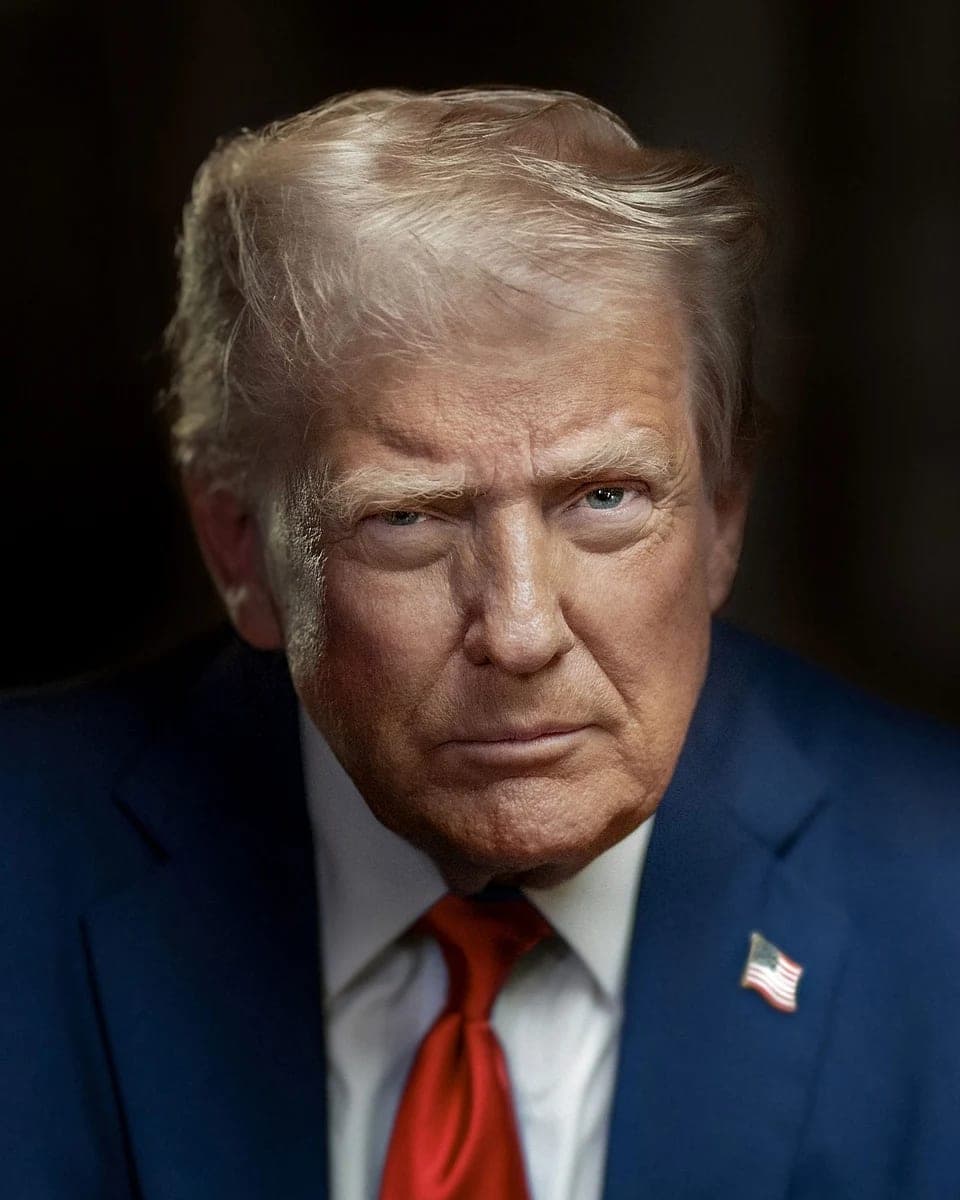
People in this story
SWIPE →President whose administration is associated with the proposed agreement and whose Iran war is cited as a source of Pentagon funding pressure
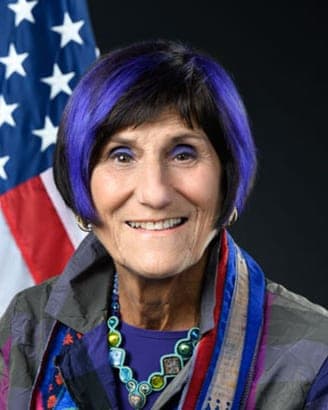
House Democratic appropriator criticizing the Pentagon-NIH agreement
DeLauro's version of this story ↗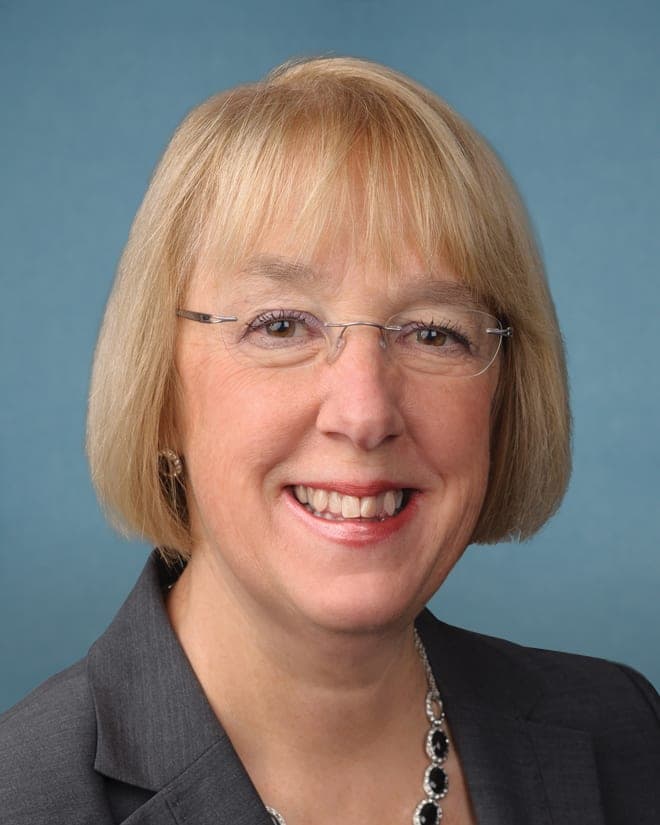
Senate Democratic appropriator calling for termination of the agreement
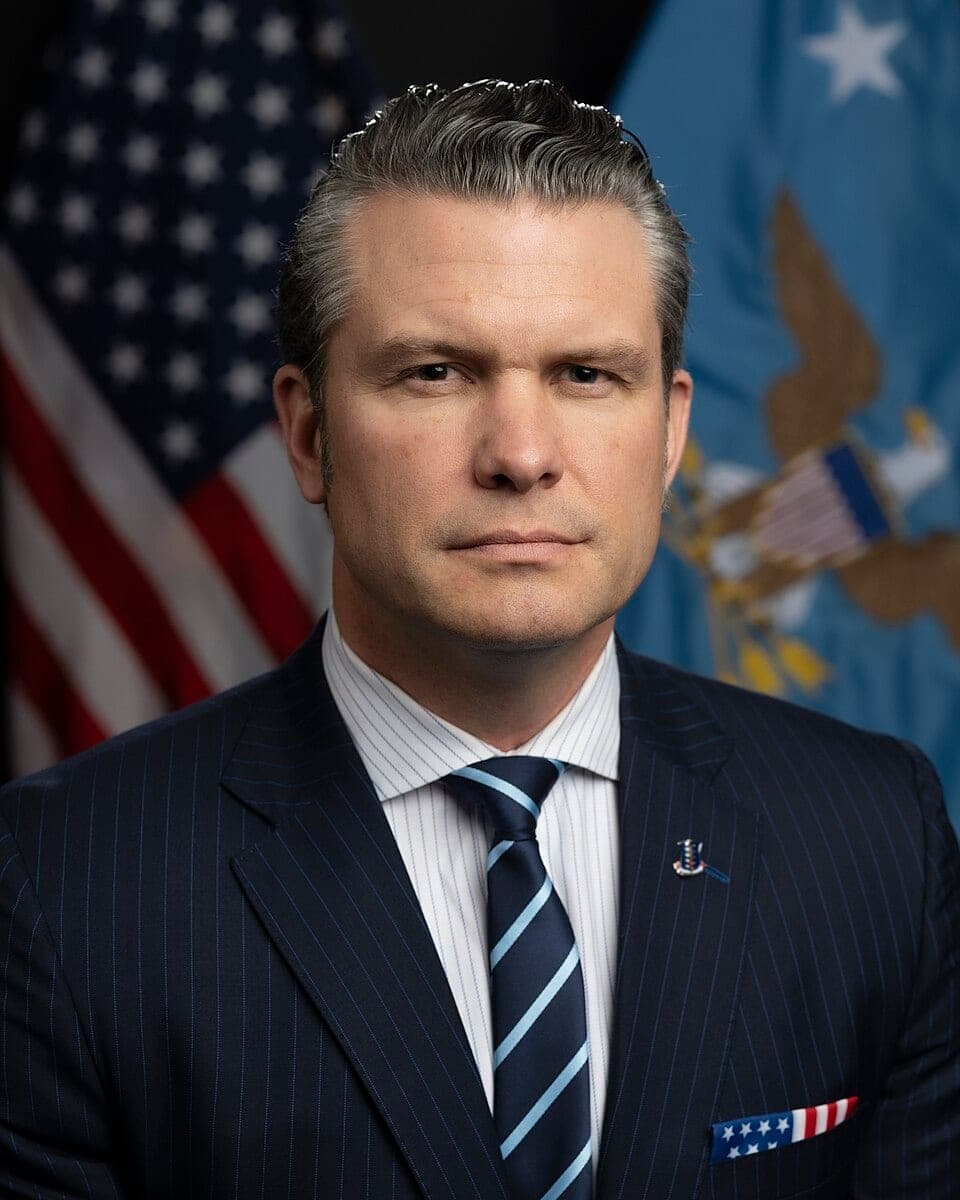
Secretary of Defense criticized by the article's quoted opponents
Discussion · 0
Loading comments…