Southern Minnesota crop insurance agents push USDA for later premium due date
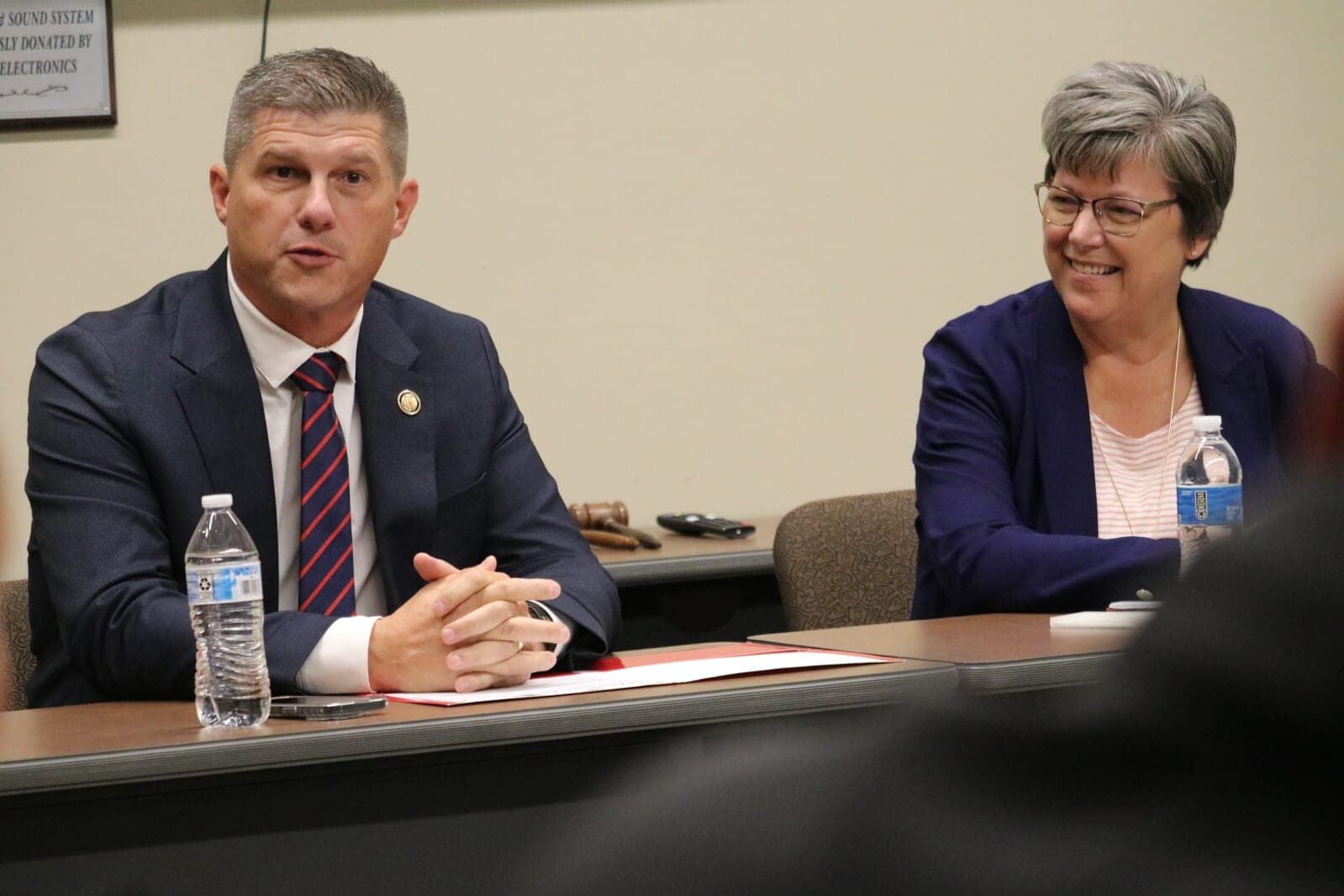
Finstad hosted a meeting on crop insurance concerns and said he would press USDA to address them.
SOURCE CHECK
TAP FOR WHYAgweek is a trade-press outlet reporting on agriculture, with an identified reporter and named sources. The article gives specific figures and includes the agency administrator’s responses, though the available information does not establish its correction practices or broader reporting record.
- Source type — Trade-press coverage of an agriculture-focused policy issue.
- Author attribution — A reporter is named.
- Source diversity — The story includes farmers, insurance agents, a representative, and a USDA official.
- Transparency — Specific claims are attributed, but the text offers little information about corrections or editorial standards.
The story provides concrete dates, figures, and explanations from named agents and a USDA official, giving readers both the concerns and the agency's response. It is based on one roundtable and offers limited additional context or independent verification of the participants' claims.
HOW WE SCORE ↗The article gives substantial space to agents’ concerns and includes the USDA official’s rationale and account of rule changes. It does not provide broader context or perspectives beyond the roundtable participants.
- Counterarguments presented — The USDA administrator explains why the extension was granted and describes a change to the audit process.
- Source diversity — Farmers and agents, a representative, and a USDA official are quoted.
- Omitted context — The story offers limited outside context on the budgetary or administrative tradeoffs.
- Loaded language — The article's wording is largely neutral.
The report uses neutral language and attributes the farmers’ concerns and the agency’s explanations to the people who expressed them. It does not appear to favor a political side.
- Language tone — The wording is descriptive rather than politically charged.
- Source selection — The article includes both the agents’ requests and the agency administrator’s explanations.
- Framing — The story centers on crop insurance administration rather than partisan framing.
At a roundtable hosted by Rep. Brad Finstad, southern Minnesota farmers and crop insurance agents urged USDA to set a later, permanent premium due date and reconsider the threshold for auditing large claims. A USDA official described this year's extension and changes to audit rules.
Farmers and crop insurance agents at a Sept. 18 roundtable hosted by Rep. Brad Finstad said the current premium schedule makes payment difficult before many farmers receive grain-sale income. Agent Rob Tate said USDA has extended the deadline in four of the last six years, including by 60 days this year. USDA Risk Management Agency Administrator Pat Swanson said the extension considered farmers’ cash-flow concerns and early-season disasters; she also said the old end-of-October due date had worked well. Finstad said a permanent change would require legislation, possibly through the unfinished farm bill.
Agents also questioned the $200,000 threshold that triggers an audit of a farmer’s production history, saying it does not account for farm size or newer coverage options. Swanson said the agency changed its rules so only a percentage of claims over the threshold are audited. Finstad said he would keep pressing the agency to develop insurance products for commodities beyond corn and soybeans.
Community verdict
10 VOTES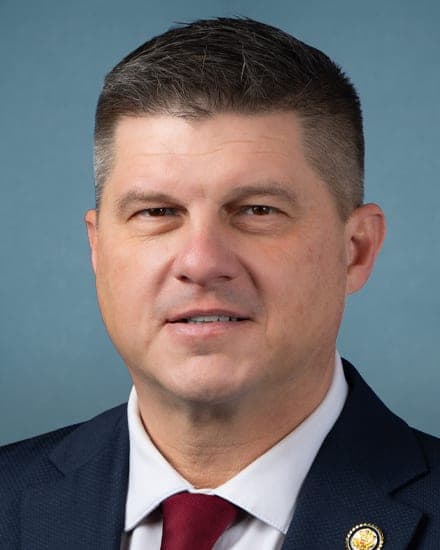
People in this story
U.S. representative who hosted the roundtable and said he would pursue changes to crop insurance rules
Discussion · 0
Loading comments…