Farms wait on H-2A reform as labor shortage lingers
Fischbach backed the H-2A reform bill and said its changes could help dairy and livestock operations.

SOURCE CHECK
TAP FOR WHYAgweek is a regional agricultural news outlet, and this article names its reporter and multiple sources. The publisher has no supplied credibility rating, so the assessment rests on the visible attribution and reporting in this piece.
- Source type — Regional agricultural news coverage with reporting relevant to its audience.
- Author attribution — A named reporter is identified.
- Transparency — The story identifies interviewees and attributes their claims and views.
The article combines on-the-ground reporting with attributed comments from a farm manager, workers, lawmakers, agricultural organizations, and state and university officials. It gives specific details about the proposal and its status, though the perspectives chiefly come from people connected to agriculture and the H-2A program.
HOW WE SCORE ↗The article includes farm-level accounts and lawmakers’ support for reform alongside views on program limitations and the wage provision. It offers useful source diversity, although most sources are directly connected to agriculture or the program rather than presenting a broad range of outside perspectives.
- Source diversity — Includes farmers, workers, a lawmaker, agricultural groups, and state and university officials.
- Counterarguments presented — Includes concerns about program fit and a farm manager’s reservations about the proposed wage-rate cap.
- Omitted context — The perspectives of labor advocates or other opponents of the bill are not substantially represented.
The article reports the bill’s provisions and status in neutral language, attributing support and criticism of the program’s fit to interviewees. It does not use discernibly partisan framing.
- Language tone — Mostly descriptive and attributed, without conspicuous partisan or loaded language.
- Source selection — Sources include supporters of reform as well as officials describing limitations of the program.
- Framing — Frames the issue around farm labor needs and the proposal’s practical effects.
A bipartisan House bill would change H-2A rules to make the temporary-worker program more usable for farms with year-round labor needs. Minnesota Rep. Michelle Fischbach supports the bill, while Minnesota farmers and officials describe both its potential benefits and the program’s current limitations.
Featherstone Farm’s general manager said the farm relies on H-2A workers because it receives little local interest in harvest jobs. The article reports that the farm certified 33 guest workers this season and that Minnesota employers used more than 4,000 H-2A workers in 2026, with state figures still being finalized.
House Agriculture Committee Chairman Glenn Thompson introduced the Securing Agriculture’s Workforce Act with 49 bipartisan cosponsors, including Reps. Michelle Fischbach and Brad Finstad. The bill would broaden eligibility for year-round work, create a shared online application portal, and make other changes to visas, wages, and housing certifications. Fischbach said the proposal would help dairy and livestock operations; as of Aug. 17, the House bill remained in committee and had no Senate companion. Farm and agricultural-group representatives discussed the program’s benefits and shortcomings.
Community verdict
7 VOTES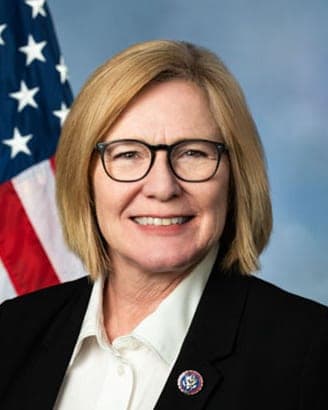
People in this story
SWIPE →Cosponsor of the H-2A reform bill and advocate for changes she says would help year-round agricultural operations.

House Agriculture Committee chairman who introduced the H-2A reform bill.
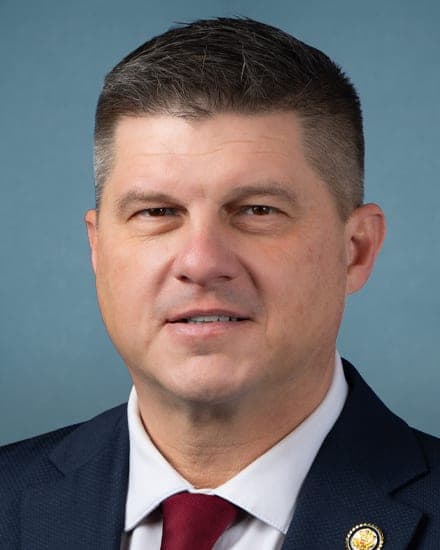
Cosponsor of the H-2A reform bill.
Discussion · 0
Loading comments…