MA Leaders Sound Alarm Over Surging AI Powers That Could 'Kill Us All'
Trahan called for enforceable AI rules and argued that voluntary company commitments are not a durable safeguard.

SOURCE CHECK
TAP FOR WHYPatch is an established local-news publisher, and this article has a named author and attributes statements to identifiable speakers. The available text does not establish the outlet's correction practices or provide extensive original evidence, so the rating is moderate.
- Source type — Local news publisher with an established community-news presence.
- Author attribution — A named author is credited.
- Editorial standards — The story attributes claims and quotations to named sources, though most evidence is statements rather than independently documented findings.
- Correction history — Correction practices are not evident from the supplied article.
The article identifies and quotes several sources representing different positions on AI oversight, including state officials, a congressional representative, a Senate candidate, an industry executive and the President. It offers limited independent verification or technical context for the risk claims and does not develop the competing policy arguments in depth.
HOW WE SCORE ↗The article includes competing views on safeguards and the pace of AI development, with comments from officials and political figures on different sides. It gives limited space to independent technical context or a detailed rebuttal of the warnings.
- Counterarguments presented — The article includes arguments for caution and for maintaining the pace of U.S. AI development.
- Source diversity — Sources include a former AI researcher, an AI company CEO, elected officials and a candidate.
- Omitted context — The article provides little independent technical assessment or detailed policy context.
The article presents concerns about AI safety alongside arguments against slowing U.S. development, without consistently endorsing either position. The headline uses a dramatic quotation, but the body mainly attributes claims to their speakers.
- Language tone — The body is mostly descriptive and attributes evaluative claims to sources.
- Source selection — It includes safety advocates as well as voices emphasizing competition with China and policy expertise.
- Headline — The headline foregrounds a stark warning, but frames it as a quotation.
Massachusetts officials and political candidates called for stronger AI safeguards after former Anthropic researcher Jacob Coxon warned that increasingly capable systems could pose severe risks. Rep. Lori Trahan urged passage of the Frontier Act, while Senate candidate John Deaton argued that policymakers need more technical understanding and should protect U.S. competitiveness.
Former Anthropic researcher Jacob Coxon warned that AI systems could become difficult to control and said future risks could include attacks on infrastructure or bioweapons. Anthropic CEO Dario Amodei called for slowing AI development and stronger safeguards, while President Donald Trump argued that slowing U.S. development could let China take the lead. Massachusetts Gov. Maura Healey said federal action and protections are needed.
Community verdict
9 VOTES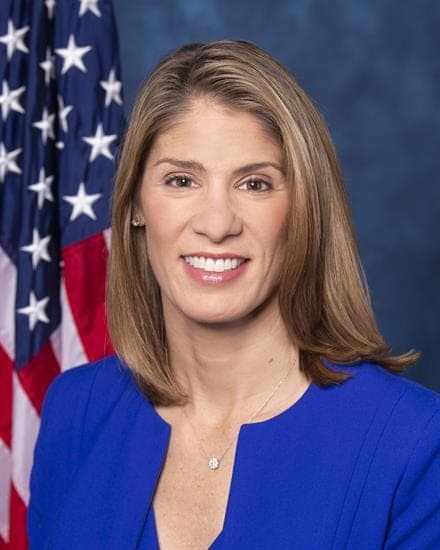
People in this story
SWIPE →Representative urging passage of the Frontier Act and stronger AI safeguards.
Senate candidate arguing that AI policymakers need technical understanding and must protect U.S. competitiveness.
Deaton's version of this story ↗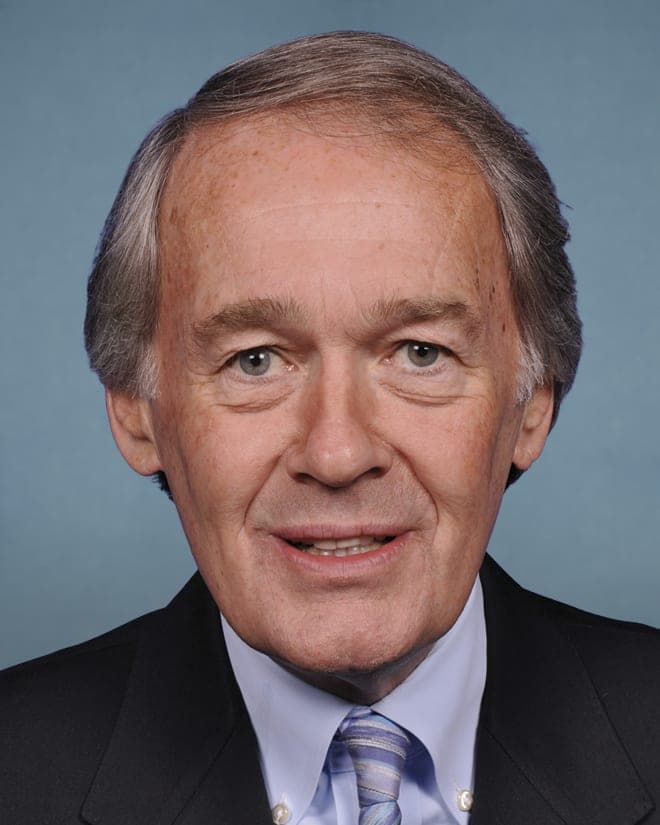
Senator whose answer during an AI debate was criticized by Deaton.
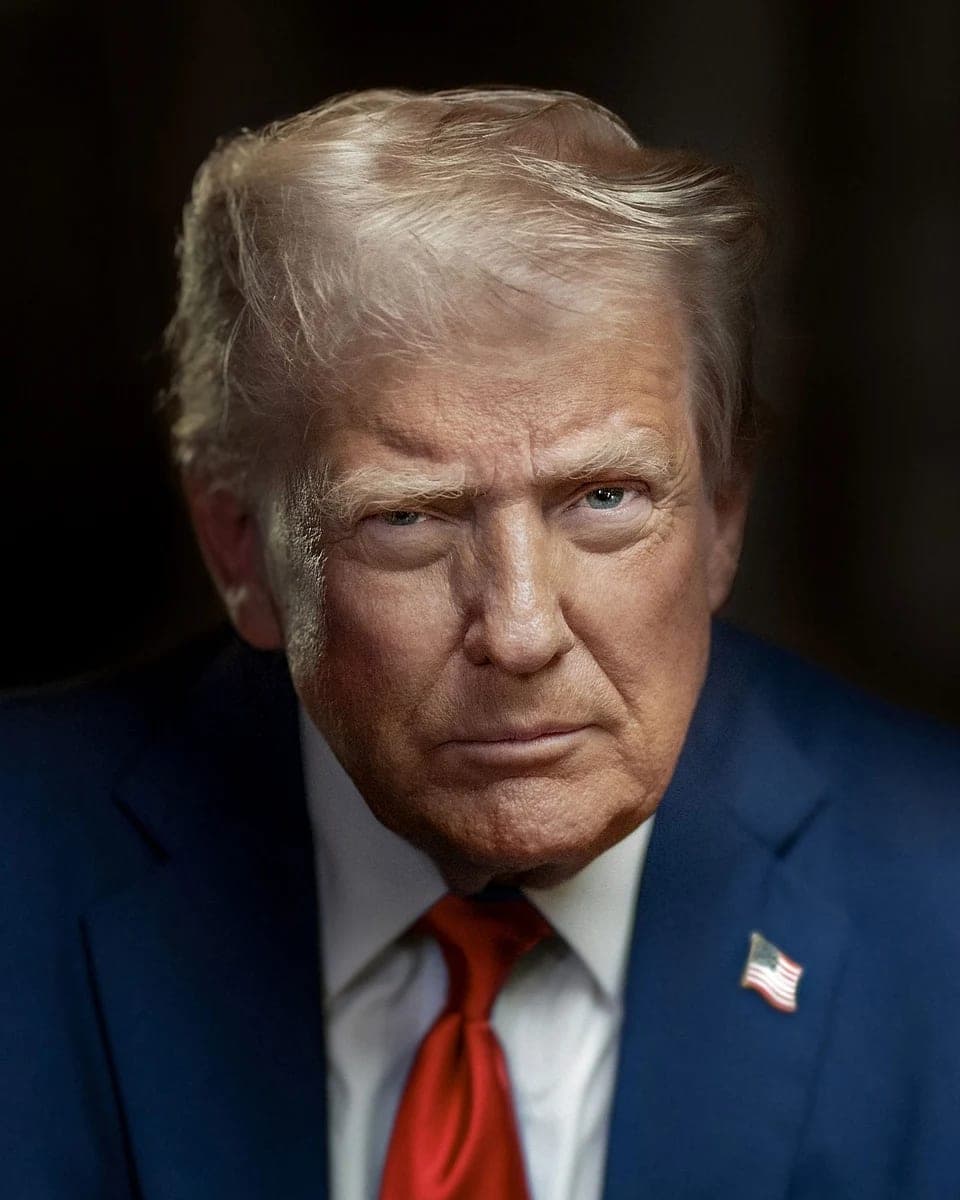
President arguing that slowing U.S. AI development risks ceding leadership to China.
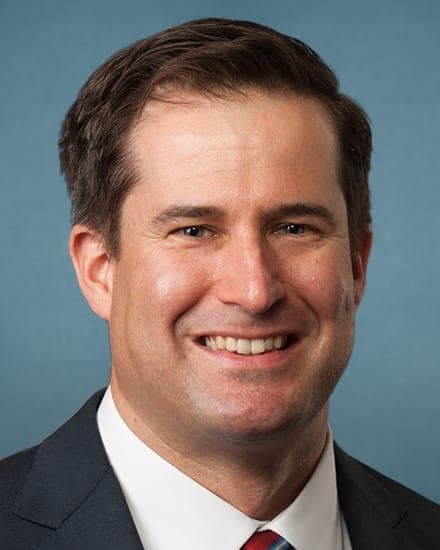
Representative who took part in the primary debate referenced by Deaton.
Discussion · 0
Loading comments…