U.S. Senators, Defending Trump Attack, Pressed with Iraq and Afghanistan War Authorizations
Ernst was asked why Congress had not authorized the Iran operation before it began and responded by citing the short time since it started.

SOURCE CHECK
TAP FOR WHY2paragraphs is a blog with an attributed author, but the short item relies heavily on embedded social-media exchanges and provides limited evidence of institutional reporting or editorial safeguards.
- Source type — A blog publication warrants a lower institutional-credibility prior than an established newsroom.
- Transparency — The article attributes some context to CNN, the Senate and the Council on Foreign Relations, but gives little detail about its own reporting process.
- Author attribution — The article names an author.
- Editorial standards — The text does not establish the publisher’s corrections process or broader editorial safeguards.
The article quotes the exchanges and supplies useful context distinguishing formal declarations of war from authorizations for military force. Its reporting is brief and depends largely on social-media clips and a small number of institutional references, with little additional sourcing or exploration of the legal dispute.
HOW WE SCORE ↗The article presents questions and responses from both senators and explains the distinction between declarations and authorizations. It offers limited sourcing and little broader discussion of the legal or political arguments for and against prior congressional approval.
- Counterarguments presented — Both senators’ responses are included, but their exchanges do not amount to a developed presentation of competing legal arguments.
- Source diversity — The item draws on social-media posts and brief institutional context, with few independent perspectives.
- Omitted context — The article gives little detail on the legal standards or arguments surrounding the use of force.
- Loaded language — Some wording about Fetterman’s performance is critical, while most of the account is descriptive.
The article uses a largely straightforward account of the exchanges and includes context about the difference between declarations of war and military-force authorizations. Its pointed descriptions of the senators’ responses do not establish a consistent partisan lean.
- Language tone — Mostly descriptive, though it characterizes Fetterman as caught off guard and struggling to stay on point.
- Framing — It focuses on both senators being pressed about authorization, without a clear partisan argument.
- Source selection — The article uses the reporter’s questions and the senators’ replies, plus Senate and Council on Foreign Relations context.
John Fetterman and Joni Ernst were questioned about why Congress had not authorized U.S. strikes on Iran before they began. Their exchanges turned to the distinction between formal declarations of war and congressional authorizations for military force.
CNN’s Manu Raju questioned Fetterman, described as a vocal Democratic supporter of President Trump’s decision to strike Iran, about the president’s authority to order strikes without a congressional vote. Fetterman said the last declared war was World War II; Raju responded by citing Iraq and Afghanistan. The article notes that Congress authorized military force in those conflicts rather than formally declaring war, and quotes the Senate saying Congress’s last formal declaration was during World War II.
Raju also asked Ernst why Congress had not voted to authorize the Iran operation before it began. Ernst asked when Congress had last authorized operations or strikes in other countries, and, after Raju named Iraq and Afghanistan, said, “We’re are just a few days in.”
Community verdict
23 VOTES
People in this story
SWIPE →Senator questioned about the lack of a congressional vote before the Iran strikes
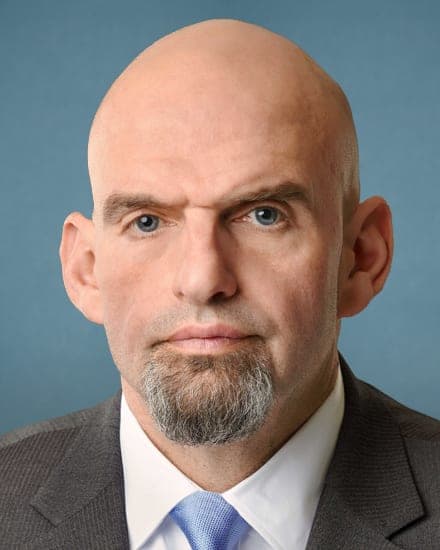
Senator questioned about congressional authorization for the Iran strikes
Fetterman's version of this story ↗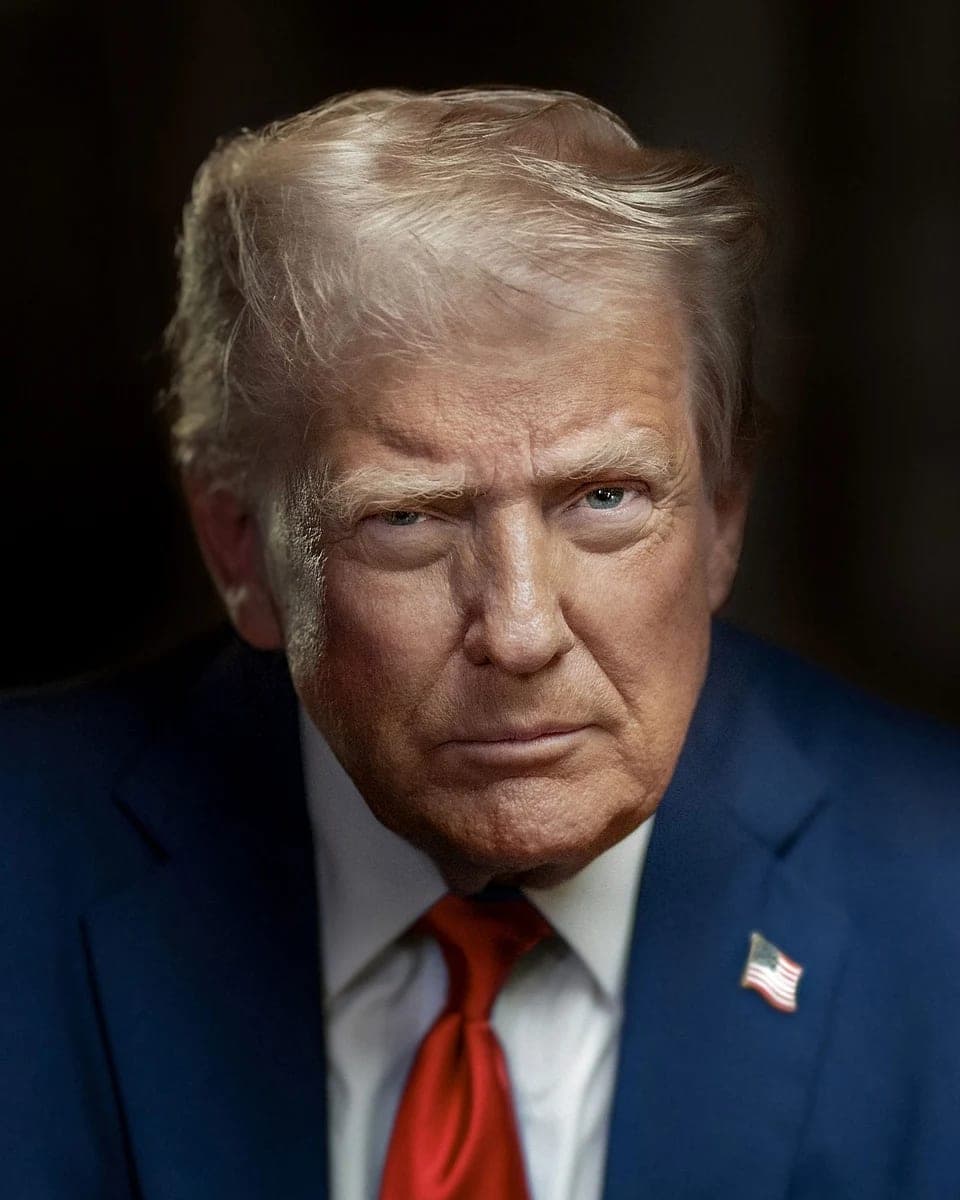
President whose decision to strike Iran is discussed
Discussion · 0
Loading comments…